Advertiser & Editorial Disclosure: The Bulkhead Seat earns an affiliate commission for anyone approved through the links below. This compensation may impact how and where links appear on this site. We work to provide the best publicly available offers to our readers. We frequently update them, but this site does not include all available offers. Opinions, reviews, analyses & recommendations are the author’s alone, and have not been reviewed, endorsed, or approved by any of these entities.
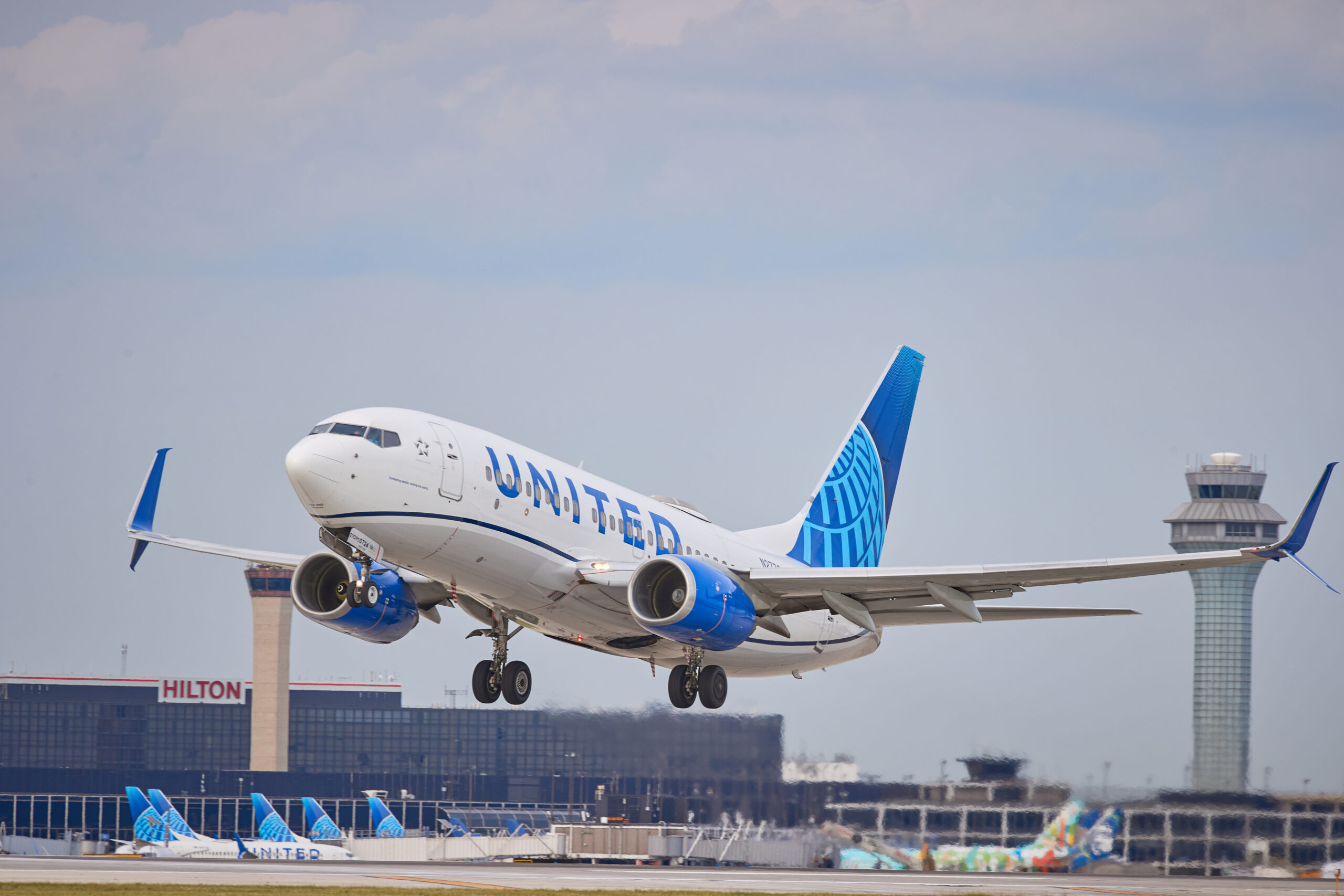
United Airlines is postponing the launch of 11 planned routes from Chicago O’Hare International Airport (ORD) after the Federal Aviation Administration (FAA) extended flight limits at the airport through October 2027.
The restrictions are intended to reduce delays while major construction continues as part of the airport’s ongoing O’Hare 21 (ORDNext) modernization program. Under the FAA’s order, daily operations at the airport will remain capped at approximately 2,700 takeoffs and landings with the agency citing continued airfield and terminal construction as the reason for extending the limits by another year. United and American have been at war over the airport and these cuts are also a result of United beefing up its schedule to try to drive American out. United has event floated the idea of buying its rival.
The cuts include:
- Central Illinois Regional Airport (BMI)
- University of Illinois Willard Airport (CMI)
- Erie International Airport (ERI)
- Guadalajara International Airport (GDL)
- Kalamazoo/Battle Creek International Airport (AZO)
- La Crosse Regional Airport (LSE)
- Capital Region International Airport (LAN)
- Sawyer International Airport (MQT)
- Rochester International Airport (RST)
- Tri-Cities Airport (TRI)
- Central Wisconsin Airport (CWA)
The FAA first reduced flight operations at Chicago O’Hare International Airport (ORD) by roughly 10% in April to improve on-time performance during construction. The latest order extends those restrictions through next year as work continues on the airport’s new Global Terminal, the 19-gate Concourse D, renovations to Terminal 3, and numerous taxiway and airfield improvements.
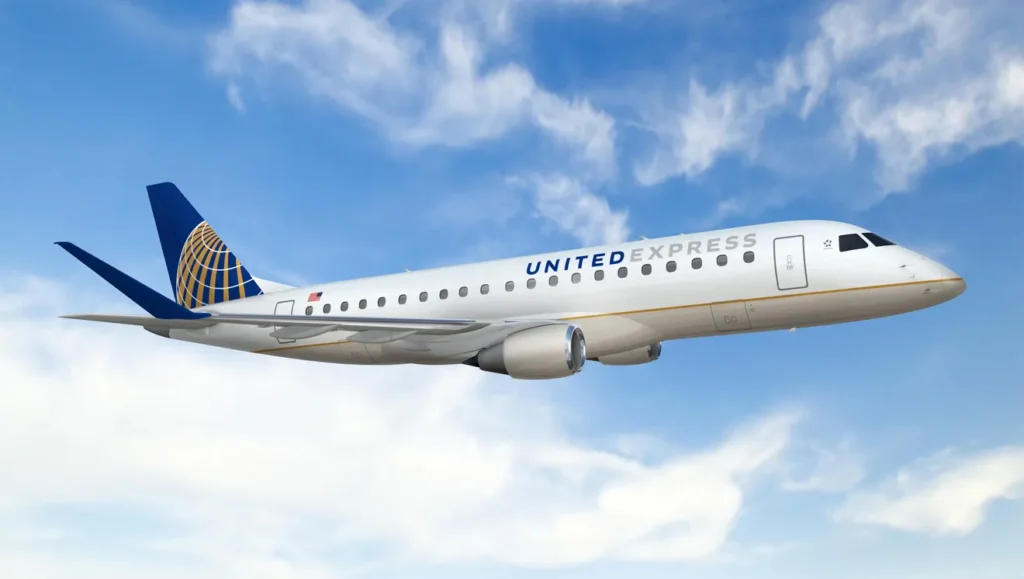
Despite the flight caps, United says it expects to carry more passengers this summer by deploying larger aircraft on existing routes. The airline has increased seat capacity through upgauging, replacing smaller regional jets with larger mainline aircraft on many routes.
Still, the continued limits have come at a cost for smaller communities. Regional airports are often the first to lose service when airlines face operational constraints, as carriers prioritize higher-demand routes that generate greater revenue with larger aircraft.
Anthony’s Take: While the affected routes are said to have been delayed rather than permanently canceled, United has not announced when they will be added back to its schedule.
(Image Credits: United Airlines.)
User Generated Content Disclosure: The Bulkhead Seat encourages constructive discussions, comments, and questions. Responses are not provided by or commissioned by any bank advertisers. These responses have not been reviewed, approved, or endorsed by the bank advertiser. It is not the responsibility of the bank advertiser to respond to comments.
Advertiser & Editorial Disclosure: The Bulkhead Seat earns an affiliate commission for anyone approved through the links above This compensation may impact how and where links appear on this site. We work to provide the best publicly available offers to our readers. We frequently update them, but this site does not include all available offers. Opinions, reviews, analyses & recommendations are the author’s alone, and have not been reviewed, endorsed, or approved by any of these entities.