
Advertiser & Editorial Disclosure: The Bulkhead Seat earns an affiliate commission for anyone approved through the links below. This compensation may impact how and where links appear on this site. We work to provide the best publicly available offers to our readers. We frequently update them, but this site does not include all available offers. Opinions, reviews, analyses & recommendations are the author’s alone, and have not been reviewed, endorsed, or approved by any of these entities.
American Airlines and Delta Air Lines have once again extended the suspension of flights to Israel with the carriers now not expected to resume service to Tel Aviv’s Ben Gurion Airport (TLV) until January 2027 and September 2026 (respectively) as security concerns continue to disrupt commercial aviation across the Gulf region.
The latest extension follows escalating instability tied to the 2026 military conflict involving the United States, Israel, and Iran, including missile and drone attacks launched across the region in retaliation for joint military operations earlier this year. American had initially planned to restart flights to Tel Aviv’s Ben Gurion Airport (TLV) in March 2026 after a lengthy suspension dating back to previous regional unrest. However, those plans were abandoned after renewed military escalation and the launch of what has been referred to as Operation Epic Fury at the end of February. The decision means nearly three full years will have passed before American potentially resumes service to Israel.
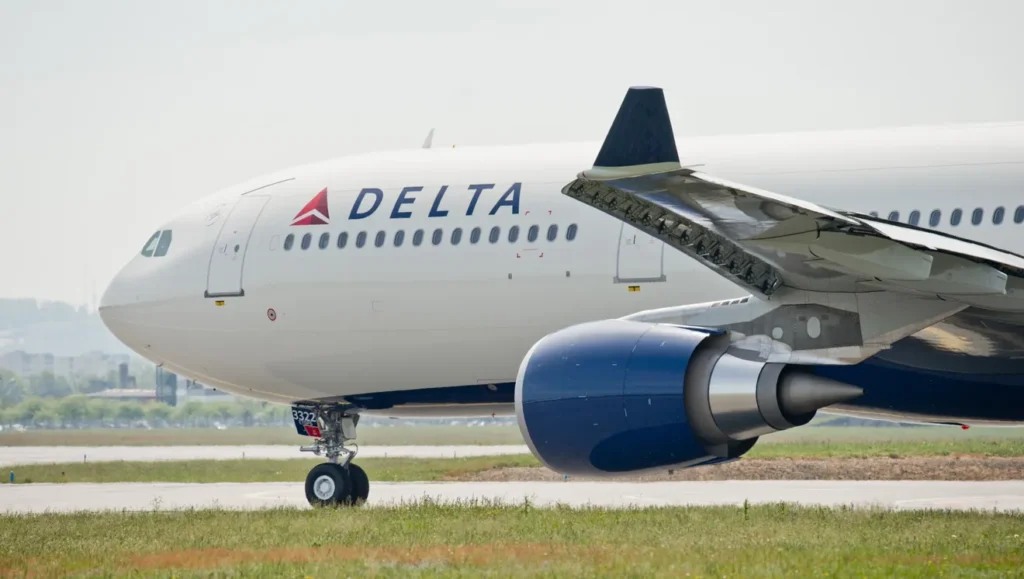
Delta Air Lines is also continuing to scale back its Israel operations. The airline announced it is extending the suspension of flights between Hartsfield-Jackson Atlanta International Airport (ATL) and Tel Aviv’s Ben Gurion Airport (TLV) through December 18th. Delta still plans to resume flights between New York John F Kennedy International Airport (JFK) and Tel Aviv’s Ben Gurion Airport (TLV) on September 6th, though the launch of planned service between Boston Logan International Airport (BOS) and Tel Aviv remains delayed indefinitely.
According to Delta, affected reservations will be updated in its systems on May 23rd with passengers receiving cancellation notifications through the Delta app and contact details associated with their bookings.
Meanwhile, United Airlines still currently lists plans to resume service to both Dubai International Airport (DXB) and Tel Aviv’s Ben Gurion Airport (TLV) on September 7th from Newark Liberty International Airport (EWR) (though schedules remain subject to change depending on evolving security conditions in the region).
With the major US carriers still largely absent from the Israeli market, only Israeli airlines including EL AL and Arkia currently operate nonstop flights between the United States and Israel.
Anthony’s Take: Although no commercial aircraft have been directly struck during the ongoing conflict, aviation security experts continue to classify the threat environment across parts of the Middle East as highly elevated. Airlines remain especially cautious about risks related to missile launches, drone activity, and rapidly changing airspace restrictions. We’ll see if these dates push out further.
(Image Credits: Shai Pal via Unsplash and Delta Air Lines.)
User Generated Content Disclosure: The Bulkhead Seat encourages constructive discussions, comments, and questions. Responses are not provided by or commissioned by any bank advertisers. These responses have not been reviewed, approved, or endorsed by the bank advertiser. It is not the responsibility of the bank advertiser to respond to comments.
Advertiser & Editorial Disclosure: The Bulkhead Seat earns an affiliate commission for anyone approved through the links above This compensation may impact how and where links appear on this site. We work to provide the best publicly available offers to our readers. We frequently update them, but this site does not include all available offers. Opinions, reviews, analyses & recommendations are the author’s alone, and have not been reviewed, endorsed, or approved by any of these entities.


2 comments
Wait… I’m confused. I read your first paragraph to say Delta will not return to TLV until December. But your third paragraph says they’re returning Sept. 6. Perhaps I’m not understanding.
The one route is scheduled for September. Fixed. Thanks for catching that.