Advertiser & Editorial Disclosure: The Bulkhead Seat earns an affiliate commission for anyone approved through the links below. This compensation may impact how and where links appear on this site. We work to provide the best publicly available offers to our readers. We frequently update them, but this site does not include all available offers. Opinions, reviews, analyses & recommendations are the author’s alone, and have not been reviewed, endorsed, or approved by any of these entities.
Delta Air Lines is making a bold move into one of United Airlines’ strongest markets by announcing new 2x daily nonstop service between Newark Liberty International Airport (EWR) and Los Angeles International Airport (LAX) beginning April 12, 2027. The new route places Delta head-to-head with United on one of the nation’s busiest and most lucrative transcontinental business corridors. United has long dominated Newark through its hub operation, which makes Delta’s expansion a direct challenge to its biggest domestic rival.
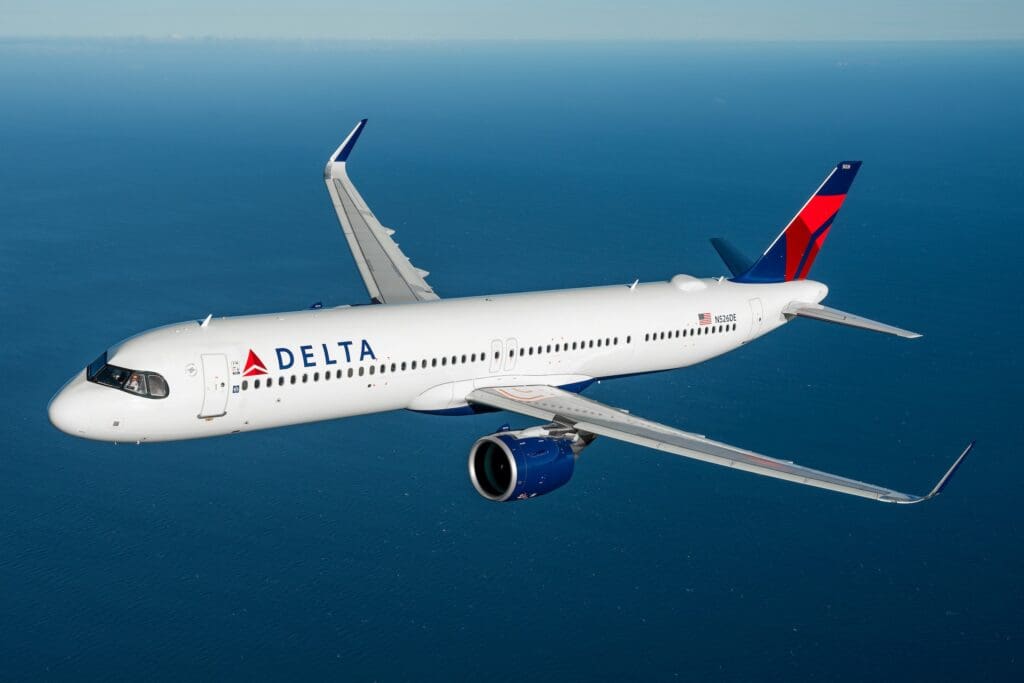
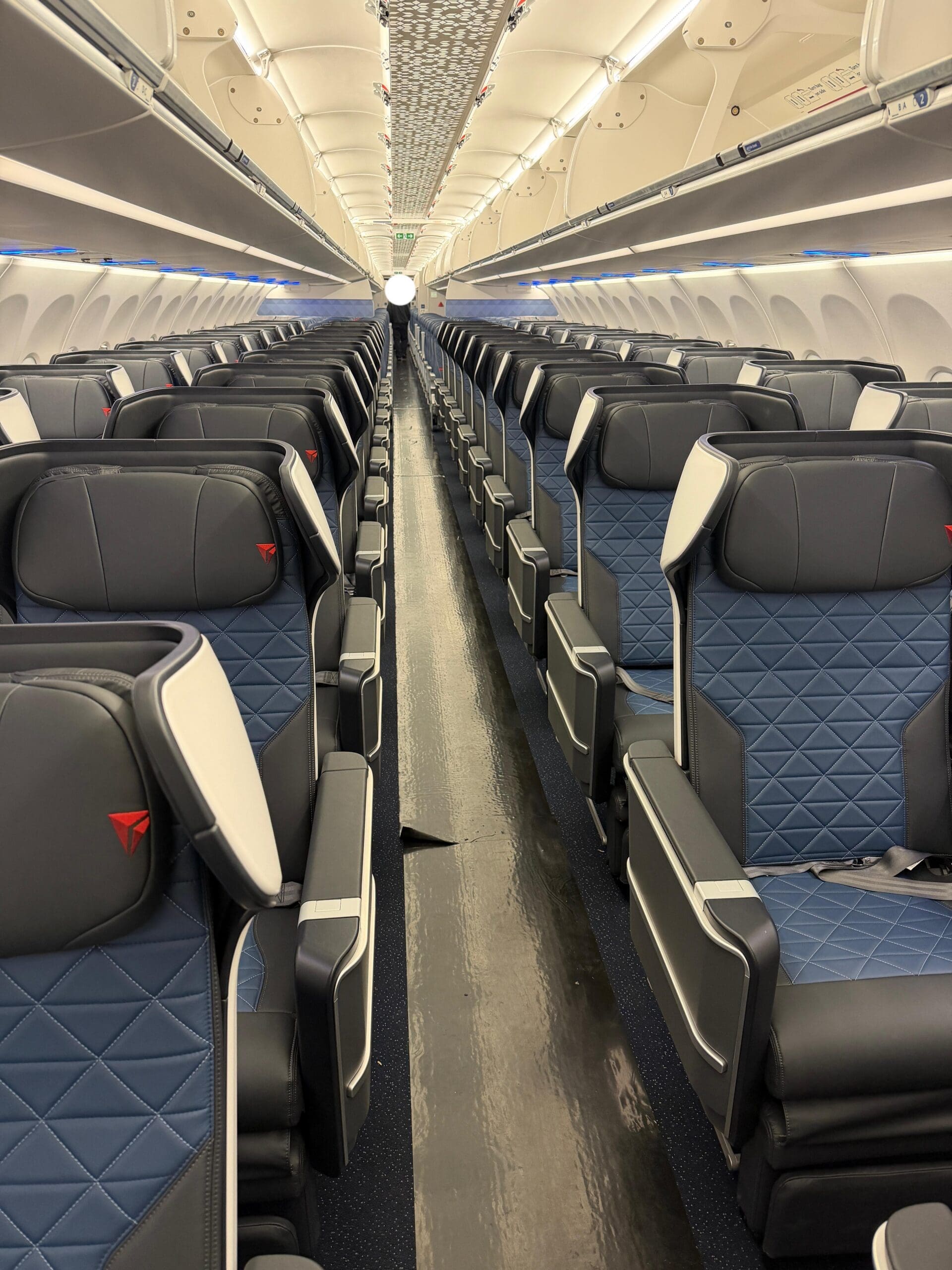
Delta will operate the flights using its newest Airbus A321neo aircraft, which offers passengers a modern onboard experience that includes First Class recliner seats, Delta Comfort+, seatback entertainment at every seat, larger overhead bins, fast Wi-Fi, and upgraded cabin interiors.
While the onboard product is among the best available on a narrow-body aircraft, Delta is notably not deploying lie-flat Business Class seats on the route. That gives United an important advantage for premium travelers, as it continues to operate wide-body and premium-configured aircraft featuring Polaris® suites and access to its highly regarded Polaris® Lounges for eligible passengers.
Even so, Delta appears to be betting that its overall customer experience (including reliable onboard Wi-Fi, modern cabins, and strong operational performance) will be enough to attract both business and leisure travelers looking for an alternative to United. The move also reflects Delta’s broader strategy of selectively expanding into markets traditionally controlled by competitors. Rather than attempting to match United’s scale at Newark Liberty International Airport (EWR), Delta is focusing on high-demand routes where it believes its premium service can win market share.
For travelers, the increased competition should be welcome news. More flights on this route are likely to provide greater schedule flexibility, additional fare competition, and another premium travel option across the country. Delta Air Lines already flies up to 11x daily between New York John F Kennedy International Airport (JFK) and Los Angeles International Airport (LAX). JetBlue also currently flies between Newark Liberty International Airport (EWR) and Los Angeles International Airport (LAX). It offers lie-flat seats in its Mint® (Business Class) cabin, but this route will end in October.
Anthony’s Take: Whether Delta can significantly dent United’s dominance at Newark Liberty International Airport (EWR) remains to be seen, but the addition of 2x daily Los Angeles International Airport (LAX) service sends a clear message: Delta is willing to compete aggressively, even on its rival’s home turf.
(Image Credit: Delta Air Lines.)
User Generated Content Disclosure: The Bulkhead Seat encourages constructive discussions, comments, and questions. Responses are not provided by or commissioned by any bank advertisers. These responses have not been reviewed, approved, or endorsed by the bank advertiser. It is not the responsibility of the bank advertiser to respond to comments.
Advertiser & Editorial Disclosure: The Bulkhead Seat earns an affiliate commission for anyone approved through the links above This compensation may impact how and where links appear on this site. We work to provide the best publicly available offers to our readers. We frequently update them, but this site does not include all available offers. Opinions, reviews, analyses & recommendations are the author’s alone, and have not been reviewed, endorsed, or approved by any of these entities.


1 comment
Interesting that this comes on the tail of Delta buying up Spirit’s gates in ATL to maintain their death grip on that airport. I suppose competition is only good from someone else’s fortress hubs.