Advertiser & Editorial Disclosure: The Bulkhead Seat earns an affiliate commission for anyone approved through the links below. This compensation may impact how and where links appear on this site. We work to provide the best publicly available offers to our readers. We frequently update them, but this site does not include all available offers. Opinions, reviews, analyses & recommendations are the author’s alone, and have not been reviewed, endorsed, or approved by any of these entities.
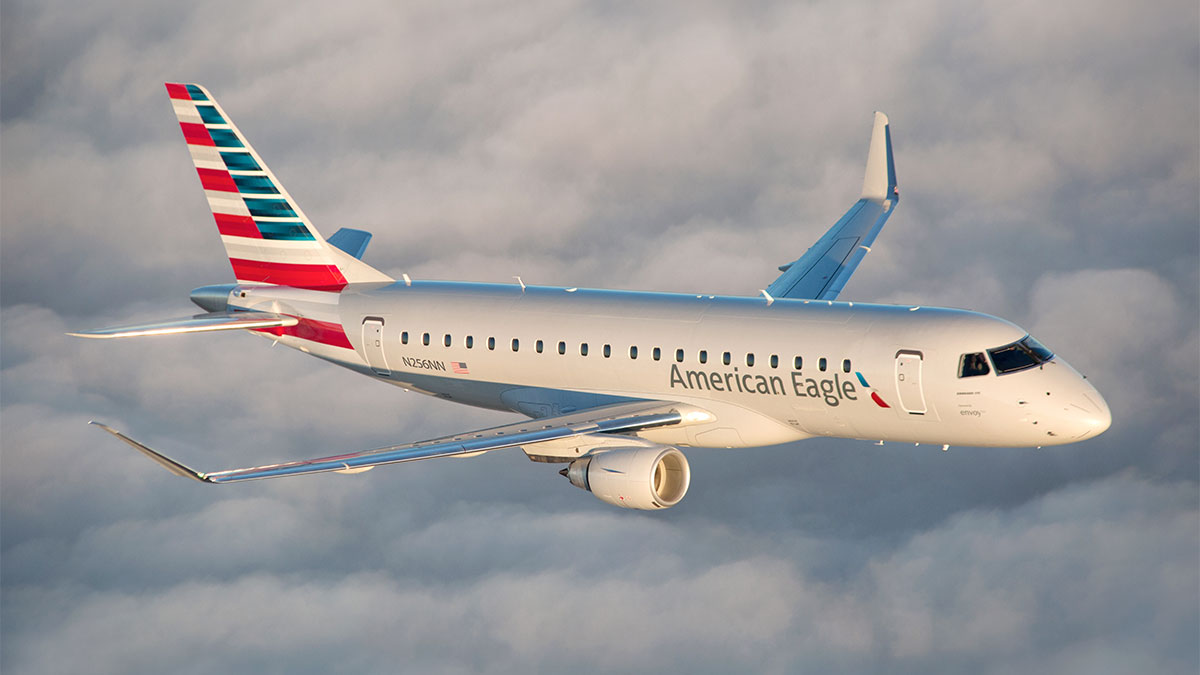
American Airlines has reached a sustainability milestone by operating what is believed to be the first commercial passenger flight in the United States powered with electro sustainable aviation fuel (eSAF) delivered directly to a commercial airport.
The fuel was supplied by clean fuels producer Infinium and used on a flight from Corpus Christi International Airport (CRP) to Dallas Fort Worth International Airport (DFW). This marked the first time this type of synthetic sustainable aviation fuel has entered the conventional airport fueling system for use on a scheduled passenger service.
Unlike traditional sustainable aviation fuels that rely on biological feedstocks such as used cooking oil or agricultural waste, Infinium’s eSAF is produced using captured carbon dioxide and renewable electricity. The company says the process can reduce lifecycle greenhouse gas emissions by more than 90% compared with conventional petroleum-based jet fuel.
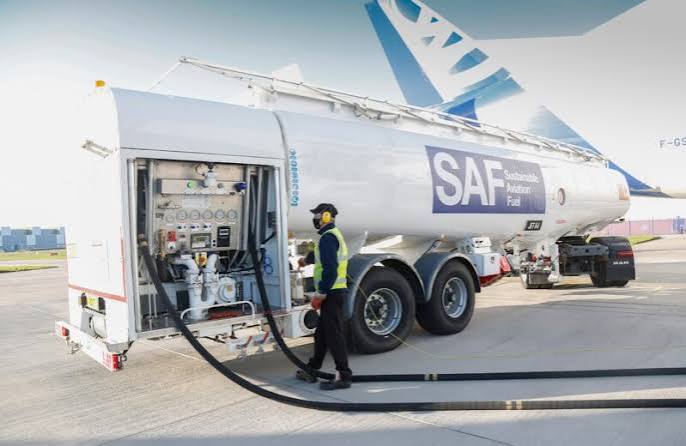
The fuel originated from Infinium’s Pathfinder facility in Corpus Christi, which is recognized as the world’s first commercial-scale power-to-liquids eFuel production plant. After being blended with conventional jet fuel and certified to meet industry specifications, it was delivered through the airport’s existing fuel infrastructure without requiring any changes to aircraft or fueling equipment.
The demonstration highlights one of the aviation industry’s most promising pathways for lowering emissions while continuing to use today’s aircraft and airport infrastructure. Because eSAF is fully compatible with existing jet engines and fuel distribution systems, airlines can begin incorporating it into operations without modifying their fleets.
American Airlines has been investing in the development of next-generation sustainable aviation fuels and previously signed an agreement to purchase future production from Infinium’s Project Roadrunner, a larger-scale facility currently under construction in Texas. Once operational, the plant is expected to produce more than 5 million gallons of eSAF annually, with commercial deliveries anticipated to begin in 2027.
Although sustainable aviation fuel is widely viewed as one of the aviation sector’s most effective near-term tools for reducing carbon emissions, adoption remains limited. Global airlines consume roughly 100 billion gallons of jet fuel each year, while sustainable alternatives currently account for only a small fraction of overall fuel use.
Anthony’s Take: The successful deployment of eSAF on an American Airlines passenger flight demonstrates that synthetic low-carbon fuels are moving beyond testing and into everyday airline operations and represents another step toward reducing aviation’s environmental impact while supporting the industry’s long-term decarbonization goals.
(Image Credits: American Airlines and SAF.)
User Generated Content Disclosure: The Bulkhead Seat encourages constructive discussions, comments, and questions. Responses are not provided by or commissioned by any bank advertisers. These responses have not been reviewed, approved, or endorsed by the bank advertiser. It is not the responsibility of the bank advertiser to respond to comments.
Advertiser & Editorial Disclosure: The Bulkhead Seat earns an affiliate commission for anyone approved through the links above This compensation may impact how and where links appear on this site. We work to provide the best publicly available offers to our readers. We frequently update them, but this site does not include all available offers. Opinions, reviews, analyses & recommendations are the author’s alone, and have not been reviewed, endorsed, or approved by any of these entities.