Advertiser & Editorial Disclosure: The Bulkhead Seat earns an affiliate commission for anyone approved through the links below. This compensation may impact how and where links appear on this site. We work to provide the best publicly available offers to our readers. We frequently update them, but this site does not include all available offers. Opinions, reviews, analyses & recommendations are the author’s alone, and have not been reviewed, endorsed, or approved by any of these entities.
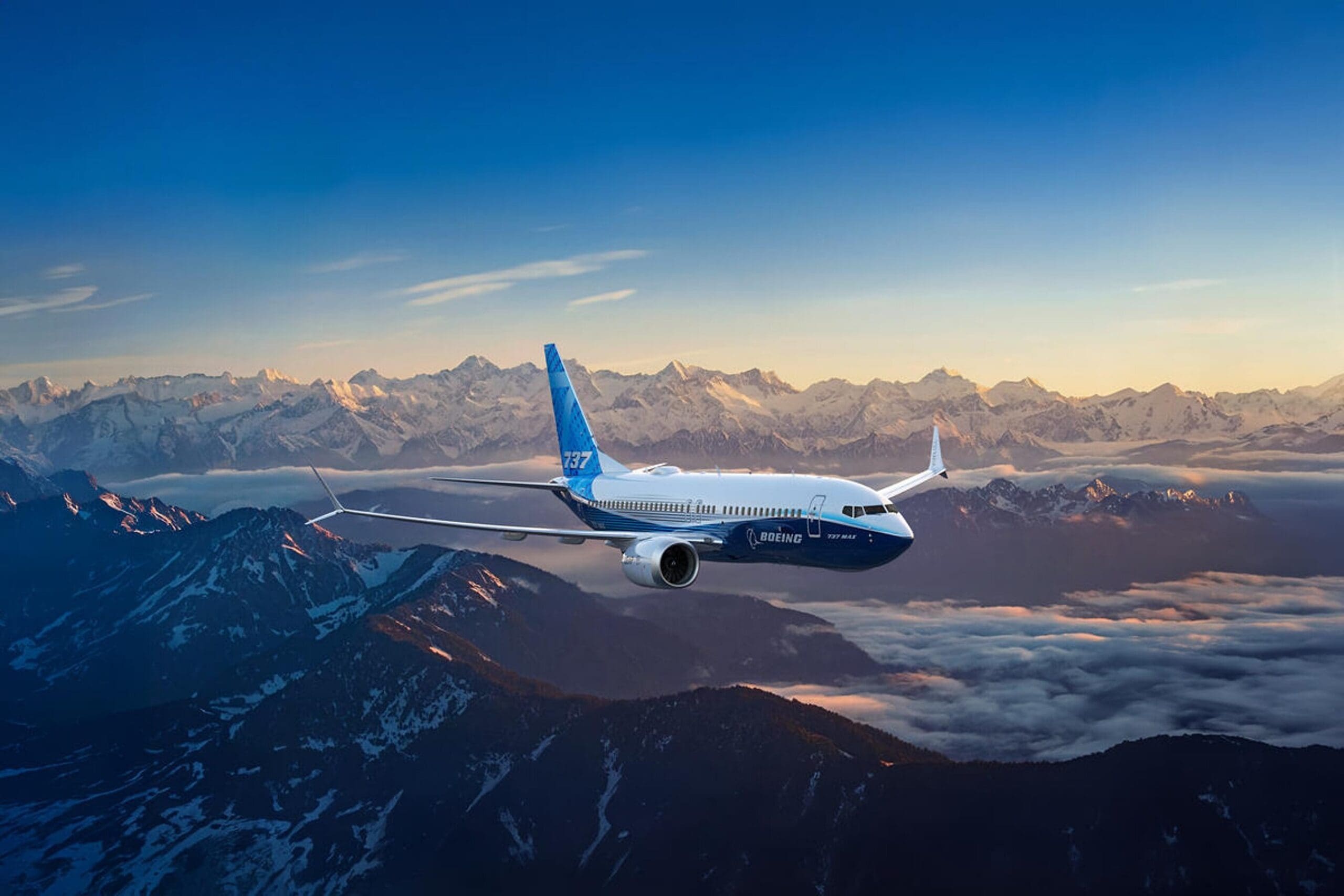
Boeing has finally reached a milestone with the Federal Aviation Administration (FAA). The 737 MAX 7 is now certified and the aircraft can enter commercial service after a process that stretched more than four years beyond its original timeline. The approval allows Boeing to begin delivering the smallest member of the 737 MAX family to airline customers with Southwest Airlines expected to become the launch operator (it has ordered 269 of these aircraft).
Configured to accommodate 135 to 160 passengers in a typical two-class layout (Southwest has these ordered with 150 seats), the MAX 7 is designed to serve routes where airlines want the economics of a narrow-body aircraft with additional range. One of the aircraft’s biggest selling points is its ability to fly approximately 4,300 miles. This gives it the longest range of any 737 MAX variant. That capability allows airlines to operate longer nonstop routes that may not generate enough demand for larger wide-body aircraft.
The FAA’s decision follows an extensive certification campaign that included thousands of hours of engineering analysis, ground evaluations, and flight testing. Boeing also incorporated design updates, including modifications to the aircraft’s engine anti-ice system, after issues were identified during the development program.
Like the rest of the 737 MAX family, the MAX 7 features fuel-efficient engines that Boeing says reduce fuel consumption and carbon emissions by approximately 20% compared with the previous-generation aircraft it is designed to replace. The aircraft also produces a significantly smaller noise footprint, making it quieter for communities surrounding airports.
Southwest Airlines (whose fleet is made up exclusively of Boeing 737 aircraft) has indicated it expects to begin operating the MAX 7 several months after taking delivery of its first aircraft. The airline has not yet included the new jet in its published schedule through March 2027.
Anthony’s Take: The certification marks another important step for Boeing as it continues expanding the 737 MAX family following years of regulatory scrutiny and production challenges. Southwest flyers should be excited for some new planes.
(Image Credits: Boeing.)
User Generated Content Disclosure: The Bulkhead Seat encourages constructive discussions, comments, and questions. Responses are not provided by or commissioned by any bank advertisers. These responses have not been reviewed, approved, or endorsed by the bank advertiser. It is not the responsibility of the bank advertiser to respond to comments.
Advertiser & Editorial Disclosure: The Bulkhead Seat earns an affiliate commission for anyone approved through the links above This compensation may impact how and where links appear on this site. We work to provide the best publicly available offers to our readers. We frequently update them, but this site does not include all available offers. Opinions, reviews, analyses & recommendations are the author’s alone, and have not been reviewed, endorsed, or approved by any of these entities.