
Advertiser & Editorial Disclosure: The Bulkhead Seat earns an affiliate commission for anyone approved through the links below. This compensation may impact how and where links appear on this site. We work to provide the best publicly available offers to our readers. We frequently update them, but this site does not include all available offers. Opinions, reviews, analyses & recommendations are the author’s alone, and have not been reviewed, endorsed, or approved by any of these entities.
We have known for a long time (since 2024) that Korean Air and Asiana Airlines were merging. Now, the two carriers have cleared another major hurdle in their historic merger with both companies receiving the corporate approvals needed to move forward with plans to officially combine later this year.
Today, Korean Air’s board of directors formally approved the merger agreement while Asiana Airlines’ shareholders overwhelmingly voted in favor of the transaction during a special meeting. According to the airline, shareholders representing 81.86% of eligible voting shares participated (99.3% approved the deal). The approvals formally confirm the merger agreement first signed by the two airlines’ boards in May 2026.
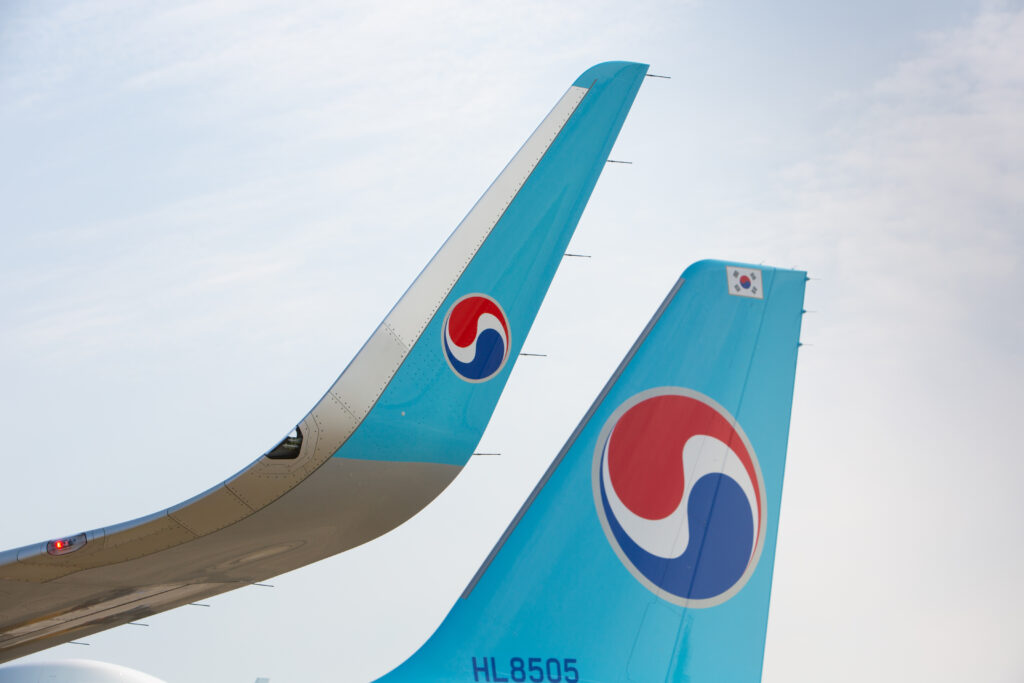
The combined carrier is expected to officially launch on December 17th following the completion of creditor protection procedures and the remaining legal and administrative requirements. Korean Air has already begun preparing for the integration, following conditional approval from South Korea’s Ministry of Land, Infrastructure and Transport (MOLIT) earlier this summer and the clearance of its merger registration filing in July.
In the months leading up to the merger, the airline will continue working with regulators on updates to its Air Operator Certificate (AOC) and other operational approvals while integrating the two carriers’ systems, training programs, and internal operations.
Anthony’s Take: The merger will create one of Asia’s largest airline groups by bringing together the networks of South Korea’s two biggest full-service airlines under the Korean Air brand. Once completed, the integration is expected to strengthen the carrier’s global competitiveness while streamlining operations across its domestic and international network. Farewell, Asiana.
(Image Credits: Korean Air.)
User Generated Content Disclosure: The Bulkhead Seat encourages constructive discussions, comments, and questions. Responses are not provided by or commissioned by any bank advertisers. These responses have not been reviewed, approved, or endorsed by the bank advertiser. It is not the responsibility of the bank advertiser to respond to comments.
Advertiser & Editorial Disclosure: The Bulkhead Seat earns an affiliate commission for anyone approved through the links above This compensation may impact how and where links appear on this site. We work to provide the best publicly available offers to our readers. We frequently update them, but this site does not include all available offers. Opinions, reviews, analyses & recommendations are the author’s alone, and have not been reviewed, endorsed, or approved by any of these entities.