Advertiser & Editorial Disclosure: The Bulkhead Seat earns an affiliate commission for anyone approved through the links below. This compensation may impact how and where links appear on this site. We work to provide the best publicly available offers to our readers. We frequently update them, but this site does not include all available offers. Opinions, reviews, analyses & recommendations are the author’s alone, and have not been reviewed, endorsed, or approved by any of these entities.
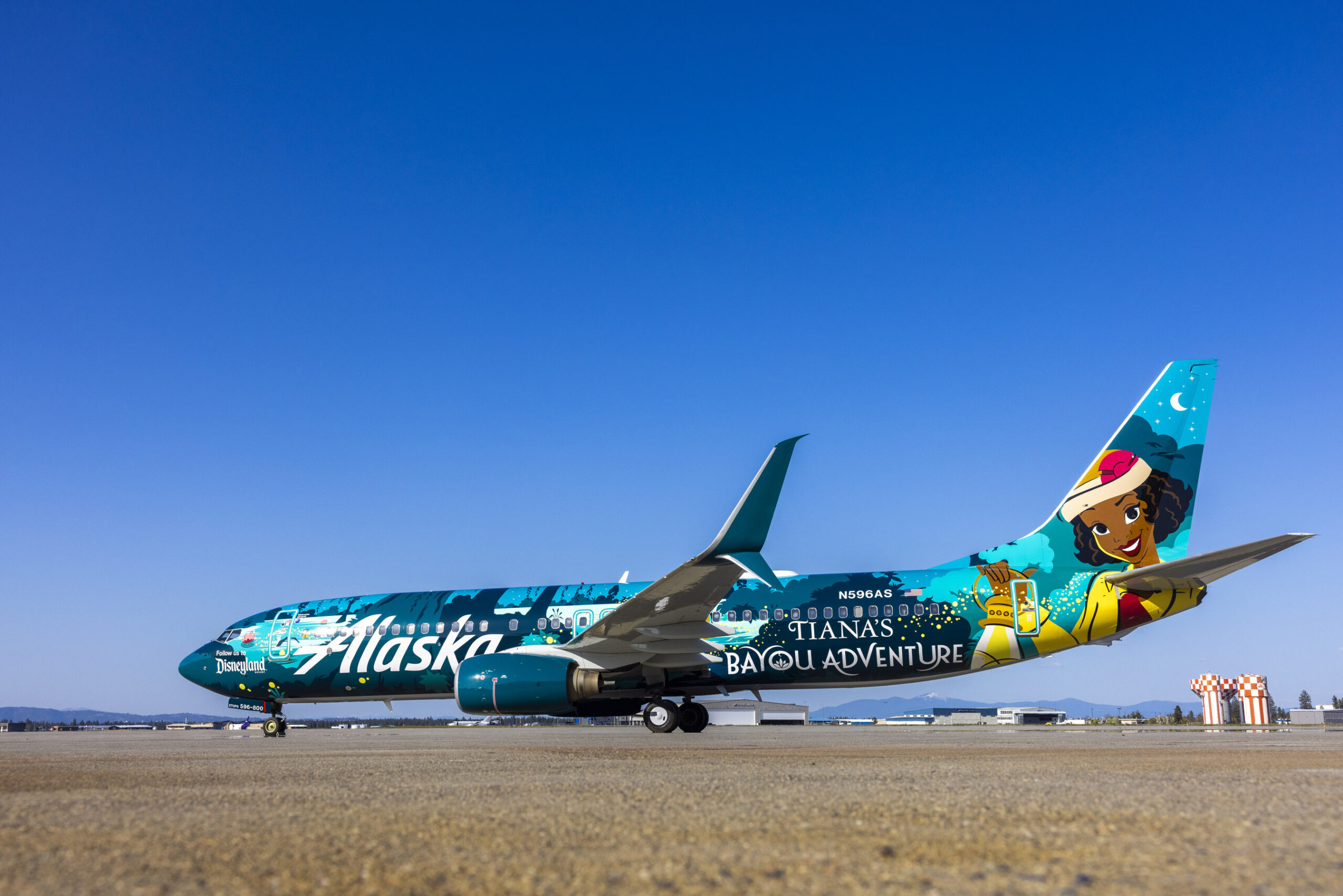
The Federal Aviation Administration (FAA) has proposed a rare $165,000 civil penalty against Alaska Airlines for allegedly allowing intoxicated passengers to board multiple flights over a one-year period. According to the FAA, the proposed enforcement action stems from 11 incidents that occurred between February 2024 and February 2025 in which the airline allegedly violated federal regulations prohibiting visibly intoxicated passengers from boarding aircraft.
Under FAA regulations, airlines are not permitted to allow “any person to board any of its aircraft if that person appears to be intoxicated.” While the rule has existed for years, regulators rarely issue large-scale fines specifically tied to intoxicated passengers. The FAA did not publicly release details about the individual incidents that triggered the audit and proposed penalties. However, such cases often involve onboard disturbances, disruptive behavior, or law enforcement intervention after departure. Alaska Airlines now has 30 days to respond to the enforcement letter and can either challenge the allegations or pay the proposed fine.

The unusually aggressive enforcement action is raising broader questions throughout the airline industry about whether regulators are preparing to crack down more heavily on airlines’ handling of intoxicated passengers before departure. The issue is especially challenging in modern air travel environments where passengers often have minimal interaction with airline staff before boarding. Many travelers now check in online, use self-service kiosks, and scan their own boarding passes at automated gates (sometimes interacting with only a single flight attendant before taking their seat).
That places increasing pressure on cabin crews stationed at the aircraft boarding door to identify signs of intoxication while simultaneously managing other critical pre-departure responsibilities. On many domestic US flights, airlines staff cabins with just three flight attendants, often leaving only one crew member greeting passengers at the front of the aircraft. At the same time, that employee may also be responsible for preparing the cabin, verifying catering, assisting passengers, and serving pre-departure beverages in premium cabins.
The challenge for airlines is balancing customer service expectations with increasing regulatory scrutiny around onboard safety and unruly passenger prevention. In many cases, flight attendants only become aware of an intoxicated or disruptive traveler once the aircraft is already airborne. The FAA’s decision to specifically target Alaska Airlines also raises questions about whether similar audits and enforcement actions could soon expand to other major carriers.
Anthony’s Take: While airlines have faced significant regulatory penalties in recent years for issues such as extended tarmac delays and violations involving disabled travelers, fines related to intoxicated passenger boarding remain uncommon. If regulators begin more aggressively enforcing these rules industrywide, airlines may be forced to rethink boarding procedures, staffing priorities, and inflight service expectations in order to reduce legal and operational risk. There have been way too many instances of people acting crazy and even becoming violent after drinking too much. I’m happy to see this being looked at and I’d be fine with airlines cracking down.
User Generated Content Disclosure: The Bulkhead Seat encourages constructive discussions, comments, and questions. Responses are not provided by or commissioned by any bank advertisers. These responses have not been reviewed, approved, or endorsed by the bank advertiser. It is not the responsibility of the bank advertiser to respond to comments.
Advertiser & Editorial Disclosure: The Bulkhead Seat earns an affiliate commission for anyone approved through the links above This compensation may impact how and where links appear on this site. We work to provide the best publicly available offers to our readers. We frequently update them, but this site does not include all available offers. Opinions, reviews, analyses & recommendations are the author’s alone, and have not been reviewed, endorsed, or approved by any of these entities.