Advertiser & Editorial Disclosure: The Bulkhead Seat earns an affiliate commission for anyone approved through the links below. This compensation may impact how and where links appear on this site. We work to provide the best publicly available offers to our readers. We frequently update them, but this site does not include all available offers. Opinions, reviews, analyses & recommendations are the author’s alone, and have not been reviewed, endorsed, or approved by any of these entities.
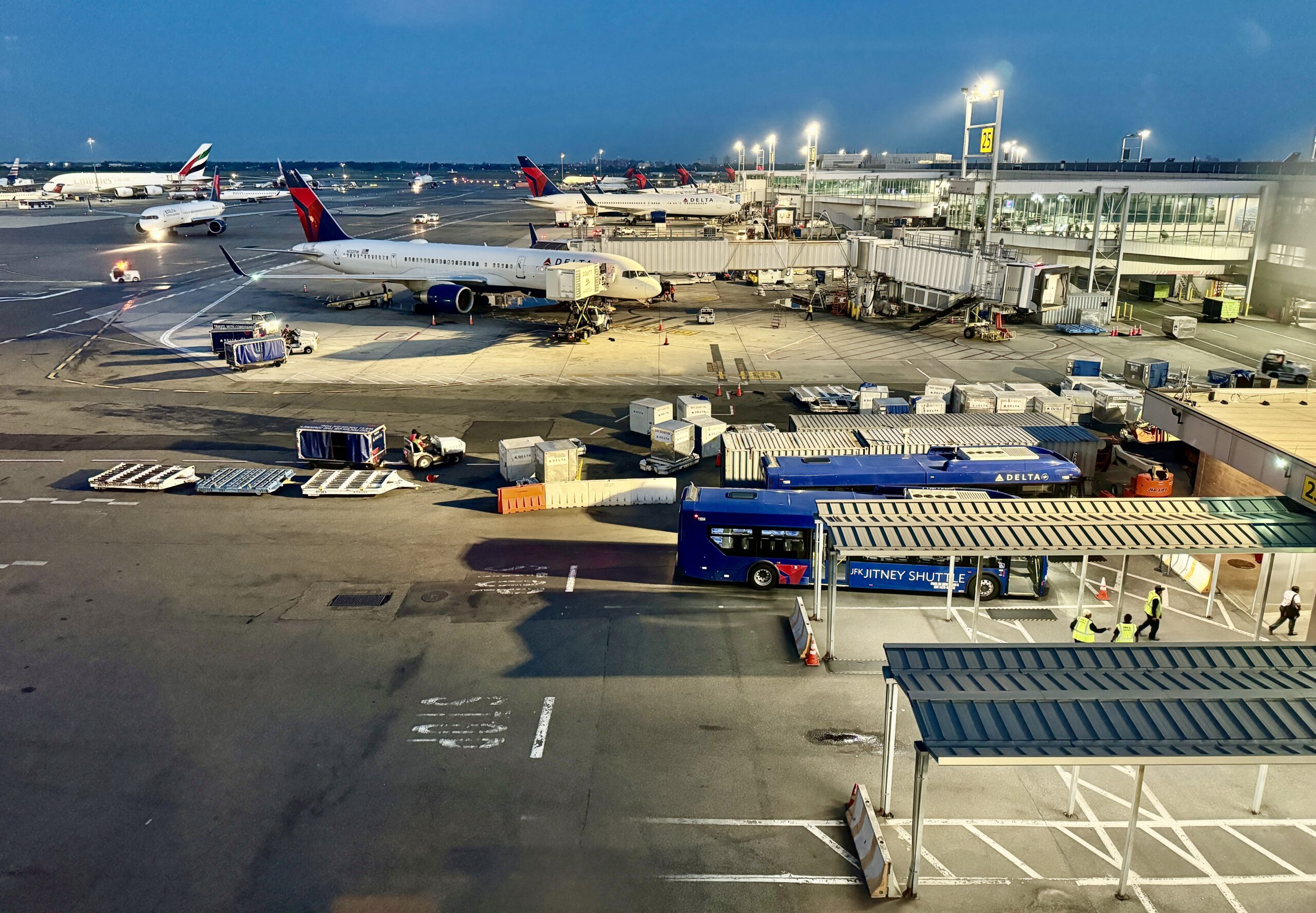
The Federal Aviation Administration (FAA) has extended special slot relief measures at New York’s busiest airports to allow airlines to retain valuable takeoff and landing rights without operating their full schedules through October 30, 2027.
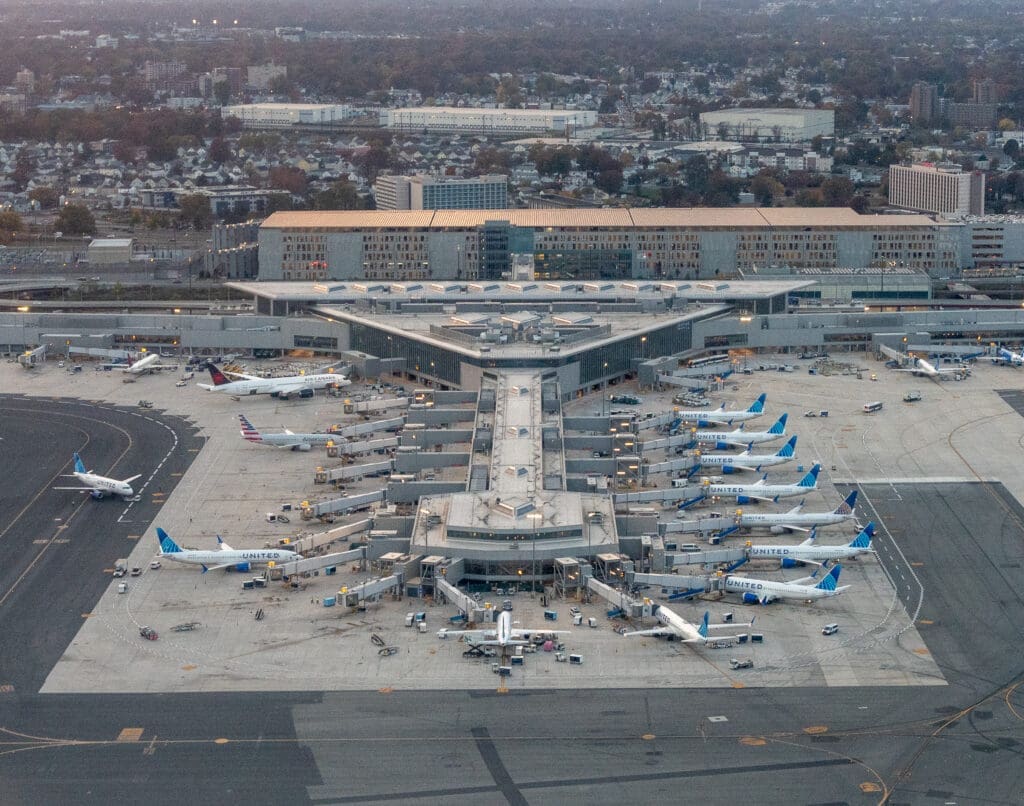
The decision applies to New York John F Kennedy International Airport (JFK), New York LaGuardia Airport (LGA), and Newark Liberty International Airport (EWR) while also covering certain related operations at Ronald Reagan Washington National Airport (DCA).
Under normal rules, airlines must use at least 80% of their allocated slots or risk losing them under the industry’s “use it or lose it” policy. The new extension allows carriers to return up to 10% of their slots while still being treated as if they had operated them, effectively reducing the usage threshold to 70%.
The FAA says the move is necessary because of ongoing air traffic control staffing shortages and operational constraints in the New York region. The agency has previously warned that staffing levels are unlikely to fully recover until after 2027. In a separate action, the FAA also extended the underlying slot-control system at New York John F Kennedy International Airport (JFK) and New York LaGuardia Airport (LGA) through October 2028 to ensure continued federal oversight of airport capacity at two of the nation’s most congested airports.
The decision is likely to be welcomed by major airlines, which have argued that staffing shortages and airspace constraints make it difficult to operate full schedules reliably. However, critics contend that the policy allows incumbent carriers to maintain control of highly valuable airport access rights while limiting opportunities for competitors to enter the market.
The New York airports remain among the few in the United States subject to formal slot controls with access tightly regulated to manage congestion. Newark Liberty International Airport (EWR) operates under a separate schedule-facilitation process, but the FAA has maintained temporary capacity limits and historical operating protections similar to a slot system.
Anthony’s Take: The extension means airlines will continue to have greater flexibility in managing schedules at New York-area airports while the FAA works to address long-standing staffing and operational challenges within the region’s air traffic control system.
(Image Credit: johnemac72 via iStock.)
User Generated Content Disclosure: The Bulkhead Seat encourages constructive discussions, comments, and questions. Responses are not provided by or commissioned by any bank advertisers. These responses have not been reviewed, approved, or endorsed by the bank advertiser. It is not the responsibility of the bank advertiser to respond to comments.
Advertiser & Editorial Disclosure: The Bulkhead Seat earns an affiliate commission for anyone approved through the links above This compensation may impact how and where links appear on this site. We work to provide the best publicly available offers to our readers. We frequently update them, but this site does not include all available offers. Opinions, reviews, analyses & recommendations are the author’s alone, and have not been reviewed, endorsed, or approved by any of these entities.