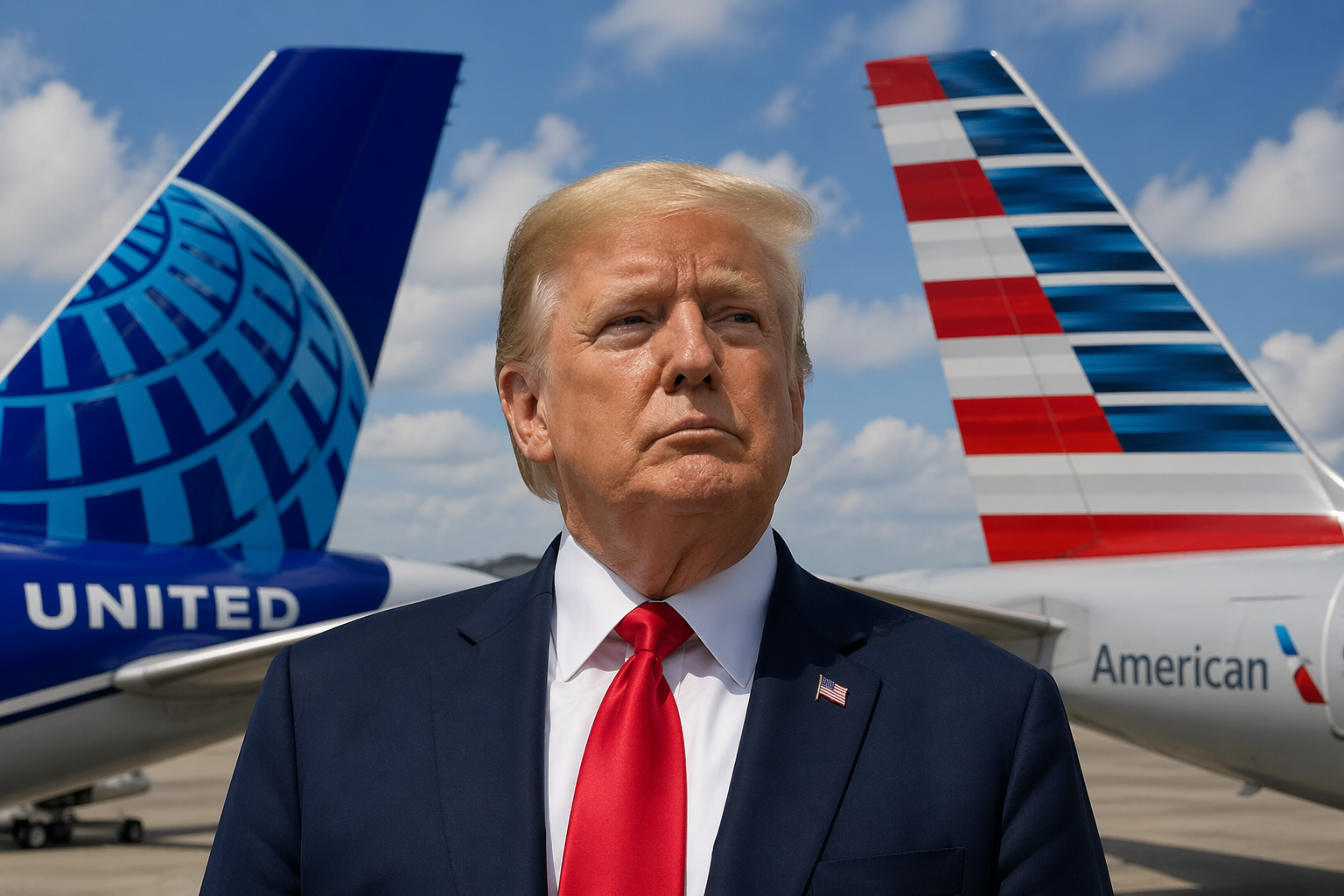
Advertiser & Editorial Disclosure: The Bulkhead Seat earns an affiliate commission for anyone approved through the links below. This compensation may impact how and where links appear on this site. We work to provide the best publicly available offers to our readers. We frequently update them, but this site does not include all available offers. Opinions, reviews, analyses & recommendations are the author’s alone, and have not been reviewed, endorsed, or approved by any of these entities.
The possibility of the Trump administration restricting US Customs and Border Protection (CBP) operations at airports located in so-called “sanctuary cities” is sending shockwaves through the aviation industry (largely because the consequences would be enormous for airlines, travelers, and the broader US economy).
While no formal policy has been implemented, recent discussions involving Homeland Security officials and airline executives suggest the idea is being taken seriously behind the scenes. The proposal would reportedly involve scaling back or removing customs and immigration processing at airports located in cities viewed by the administration as limiting cooperation with federal immigration enforcement.
If such a move were ever implemented, the effects would be immediate and dramatic. Without CBP staffing and customs processing, airports would effectively lose the ability to handle arriving international passengers. That would mean airlines could no longer operate inbound international flights into some of the country’s busiest global gateways.
Airports potentially impacted could include major hubs such as Boston Logan International Airport (BOS), Chicago O’Hare International Airport (ORD), Denver International Airport (DEN), Los Angeles International Airport (LAX), Newark Liberty International Airport (EWR), New York John F Kennedy International Airport (JFK), New York LaGuardia Airport (LGA), Philadelphia International Airport (PHL), Portland International Airport (PDX), San Francisco International Airport, and Seattle-Tacoma International Airport (SEA). These airports collectively handle tens of millions of international travelers annually.
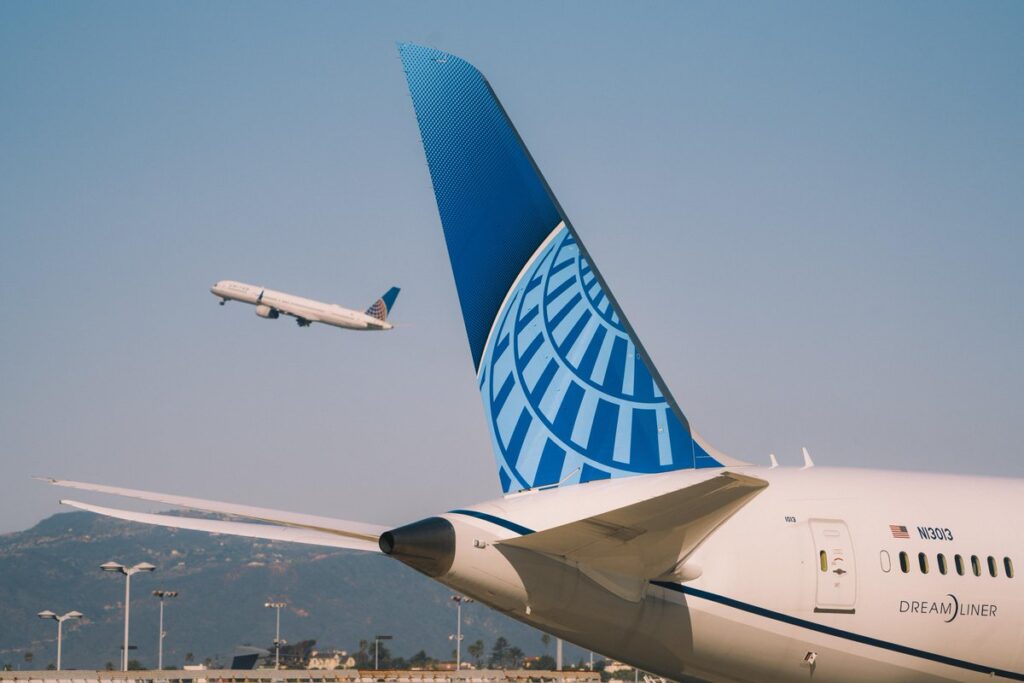
United would be the hardest hit with all of its hubs except for Houston’s George Bush Intercontinental Airport (IAH) and Washington Dulles International Airport (IAD) able to fly internationally. This would kill both its European and Asian flights. Delta Air Lines and American Airlines would fare a bit better with Hartsfield-Jackson Atlanta International Airport (ATL), Dallas Fort Worth International Airport (DFW), and Miami International Airport (MIA) still flying in and out of the country, but their other hubs could be impacted.
The impact would extend far beyond airlines themselves. Airports generate massive economic activity through tourism, business travel, cargo operations, conventions, and hospitality industries. Removing international connectivity from major cities would likely cost billions in lost economic output and disrupt global commerce flows throughout the country. Travelers would also feel the effects almost immediately.
International fares would likely surge as flights become concentrated into fewer airports still capable of processing international arrivals. Remaining gateways could become severely congested as airlines shift operations and passengers are forced to connect through alternative hubs.
The proposal also raises significant legal and logistical questions. CBP facilities at many airports are governed by long-term federal agreements, international treaties, and aviation security frameworks. Airlines sell schedules and routes years in advance, which makes abrupt policy changes extraordinarily disruptive and potentially vulnerable to court challenges. Even aviation experts skeptical that such a plan would ever fully materialize acknowledge that merely discussing it creates uncertainty throughout the industry.
Anthony’s Take: For now, the concept remains hypothetical. But the fact that airline executives are reportedly being briefed on the possibility highlights how deeply immigration politics and aviation infrastructure could become intertwined if tensions between federal authorities and major cities continue escalating.
(Image Credits: ChatGPT and United Airlines.)
User Generated Content Disclosure: The Bulkhead Seat encourages constructive discussions, comments, and questions. Responses are not provided by or commissioned by any bank advertisers. These responses have not been reviewed, approved, or endorsed by the bank advertiser. It is not the responsibility of the bank advertiser to respond to comments.
Advertiser & Editorial Disclosure: The Bulkhead Seat earns an affiliate commission for anyone approved through the links above This compensation may impact how and where links appear on this site. We work to provide the best publicly available offers to our readers. We frequently update them, but this site does not include all available offers. Opinions, reviews, analyses & recommendations are the author’s alone, and have not been reviewed, endorsed, or approved by any of these entities.


4 comments
Why don’t we bankrupt an airline and some other businesses relying on tourism to stroke someone’s ego?
The downstream effects are huge and the industry will have a hard time recovering from a possible illegal shutdown of customs.
Leave it to a plumber to come up with this brilliant (sic) idea…
How about these so called sanctuary cities start obeying the law then this problem wouldn’t happen
It’s just another absolutely insane excuse to cause havoc and destroy the tourist and business traveler industry brought to you by an unqualified plumber and a prez who presided over too many bankruptcies of his own businesses. Plumbers should not be running the DHS just because they are Trump loyalists; and Trump should stop trying to destroy our economy. If they ever somehow bring about this insanity, it’s time for all the states in question to stop paying federal taxes.