Advertiser & Editorial Disclosure: The Bulkhead Seat earns an affiliate commission for anyone approved through the links below. This compensation may impact how and where links appear on this site. We work to provide the best publicly available offers to our readers. We frequently update them, but this site does not include all available offers. Opinions, reviews, analyses & recommendations are the author’s alone, and have not been reviewed, endorsed, or approved by any of these entities.
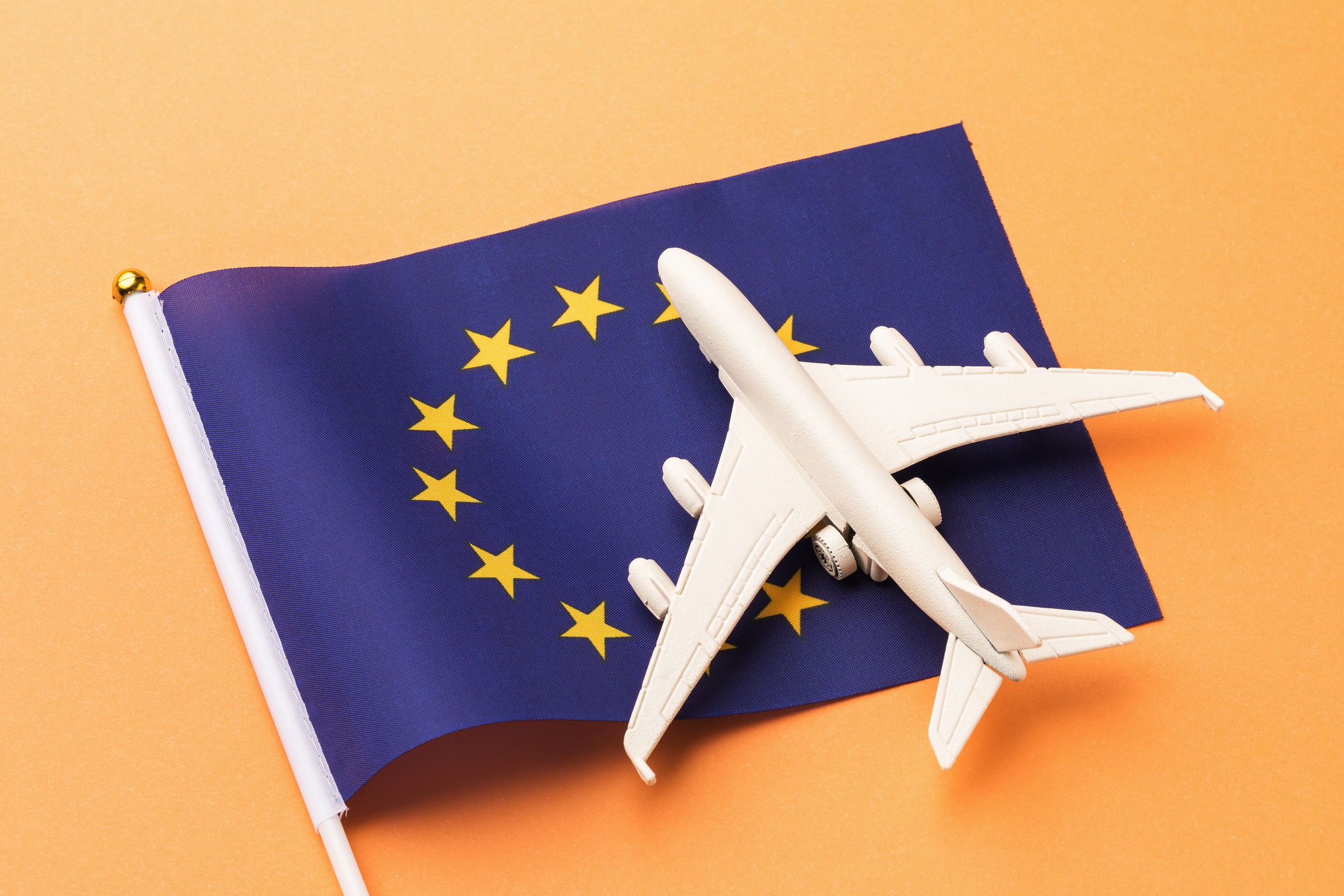
After years of debate, negotiations, and lobbying from both airlines and passenger advocacy groups, European Union ambassadors have agreed on a final draft of updated Air Passenger Rights legislation that will replace and modernize key aspects of Regulation EC 261/2004.
The agreement was approved by a majority of EU member states, with Spain and Latvia voting against the proposal (while Austria and Finland abstained). The legislation must still pass several additional approval stages before a final vote in July. If approved, the new rules are expected to begin in late 2027.
While airlines had hoped for more extensive reforms that would reduce compensation obligations, many of the industry-backed changes that were discussed during negotiations did not make it into the final draft. Instead, the agreement largely preserves the existing compensation framework while introducing several passenger-friendly updates.
One of the most significant changes concerns baggage fees. Under the updated rules, airlines will be required to include both a personal item and a standard cabin bag in displayed ticket prices. Airlines will still be allowed to offer discounts to passengers who choose to travel without a cabin bag, but the base fare must include the right to bring one onboard. The move aims to increase pricing transparency and make it easier for consumers to compare fares across different airlines.
The legislation also addresses one of the most common complaints among airline passengers: family seating. Many airlines currently charge passengers to select seats in advance, often resulting in families being separated throughout the cabin unless they pay additional fees. Under the new rules, airlines will no longer be permitted to charge fees to seat children alongside their accompanying adults. Similar protections will apply to passengers with disabilities and their companions, ensuring they can be seated together without additional charges.
Perhaps the most closely watched aspect of the negotiations was compensation for delayed flights. Despite concerns from passenger rights advocates that compensation thresholds could be significantly weakened, the final agreement leaves the existing compensation framework largely unchanged. Passengers affected by long delays and cancellations will continue to be entitled to compensation under circumstances similar to those that exist today. The decision represents a setback for airlines, which had argued that the current rules impose substantial costs and operational challenges.
The updated legislation also seeks to address a longstanding problem: many passengers simply never claim the compensation they are entitled to receive. Although airlines are already required to inform travelers of their rights during disruptions, compliance has often been inconsistent. Studies commissioned by the European Union have found that fewer than 40 percent of eligible passengers actually submit compensation claims. Passenger rights organizations had pushed for a system requiring airlines to proactively send affected passengers completed compensation forms or direct application links. The final compromise falls short of that requirement. Airlines will instead be obligated to provide passengers with “clear instructions” on how to submit a compensation request. However, carriers will not be required to include direct links to claim forms or pre-completed applications. Consumer advocates argue that this could continue to discourage some passengers from pursuing legitimate claims.
One of the most contentious areas of EU passenger rights law remains the definition of “extraordinary circumstances.” Over the past two decades, much of the interpretation of extraordinary circumstances has been shaped not by lawmakers but by court rulings across Europe. Cases involving technical problems, weather disruptions, air traffic control restrictions, and labor disputes have repeatedly been litigated.
While the updated legislation introduces changes related to airline obligations and rebooking requirements, the practical impact on compensation eligibility remains difficult to assess until regulators and courts begin interpreting the new rules.
The overhaul represents the most significant revision of European air passenger rights in more than 20 years. Yet many observers believe the reforms do not go far enough. While the legislation strengthens certain consumer protections, particularly regarding baggage and family seating, critics note that compensation amounts have remained unchanged since EC 261/2004 was introduced. Given two decades of inflation, many passenger advocates had hoped compensation levels would be increased to maintain their original deterrent effect and better reflect the financial impact of travel disruptions.
Anthony’s Take: For now, Europe’s landmark passenger rights regime appears set to remain largely intact, preserving one of the strongest consumer protection frameworks in global aviation while introducing targeted updates for modern air travel.
(Image Credits: SergeyChayko via iStock and Alexandre Lallemand via Unsplash.)
User Generated Content Disclosure: The Bulkhead Seat encourages constructive discussions, comments, and questions. Responses are not provided by or commissioned by any bank advertisers. These responses have not been reviewed, approved, or endorsed by the bank advertiser. It is not the responsibility of the bank advertiser to respond to comments.
Advertiser & Editorial Disclosure: The Bulkhead Seat earns an affiliate commission for anyone approved through the links above This compensation may impact how and where links appear on this site. We work to provide the best publicly available offers to our readers. We frequently update them, but this site does not include all available offers. Opinions, reviews, analyses & recommendations are the author’s alone, and have not been reviewed, endorsed, or approved by any of these entities.