Advertiser & Editorial Disclosure: The Bulkhead Seat earns an affiliate commission for anyone approved through the links below. This compensation may impact how and where links appear on this site. We work to provide the best publicly available offers to our readers. We frequently update them, but this site does not include all available offers. Opinions, reviews, analyses & recommendations are the author’s alone, and have not been reviewed, endorsed, or approved by any of these entities.
While many airlines have embraced Starlink for onboard internet, Delta Air Lines is taking a different approach. As I wrote about in March, it selected Amazon Leo (formerly known as Project Kuiper) to power its next generation of satellite Wi-Fi. Now, people are discussing this on social media and Elon Musk has weighed in and said that they were warned.
The decision sets Delta apart from competitors such as United Airlines, American Airlines, and Alaska Airlines (and not in a good way). All of those airlines have announced plans to equip aircraft with Starlink connectivity. Instead, Delta says Amazon’s offering provides a combination of lower costs, strong performance, and opportunities that extend beyond internet access.
Beginning in 2028, Delta plans to install Amazon Leo on an initial 500 aircraft to provide high-speed, low-latency internet that will remain free for SkyMiles® members. The airline says the partnership also opens the door to deeper integration with Amazon’s ecosystem. This includes entertainment and digital services.
Delta’s CEO, Ed Bastian, has said Amazon’s solution offered greater value than Starlink and pointed to improved bandwidth at a lower price while also highlighting Amazon’s broader technology capabilities.
The decision has drawn attention because Starlink has quickly become the dominant name in aviation connectivity, with dozens of airline customers worldwide. Delta has maintained that its evaluation focused on long-term performance, economics, and the potential for a broader strategic partnership with Amazon.
Anthony’s Take: For travelers, the most noticeable difference may simply be when the technology arrives. While Starlink-equipped aircraft are already entering service at several airlines, Delta’s Amazon-powered Wi-Fi rollout is scheduled to begin in 2028. Until then, the airline will continue using its existing onboard connectivity systems while preparing for the transition. Delta’s Wi-Fi is generally fine in its current state, but nowhere near as speedy as Starlink.
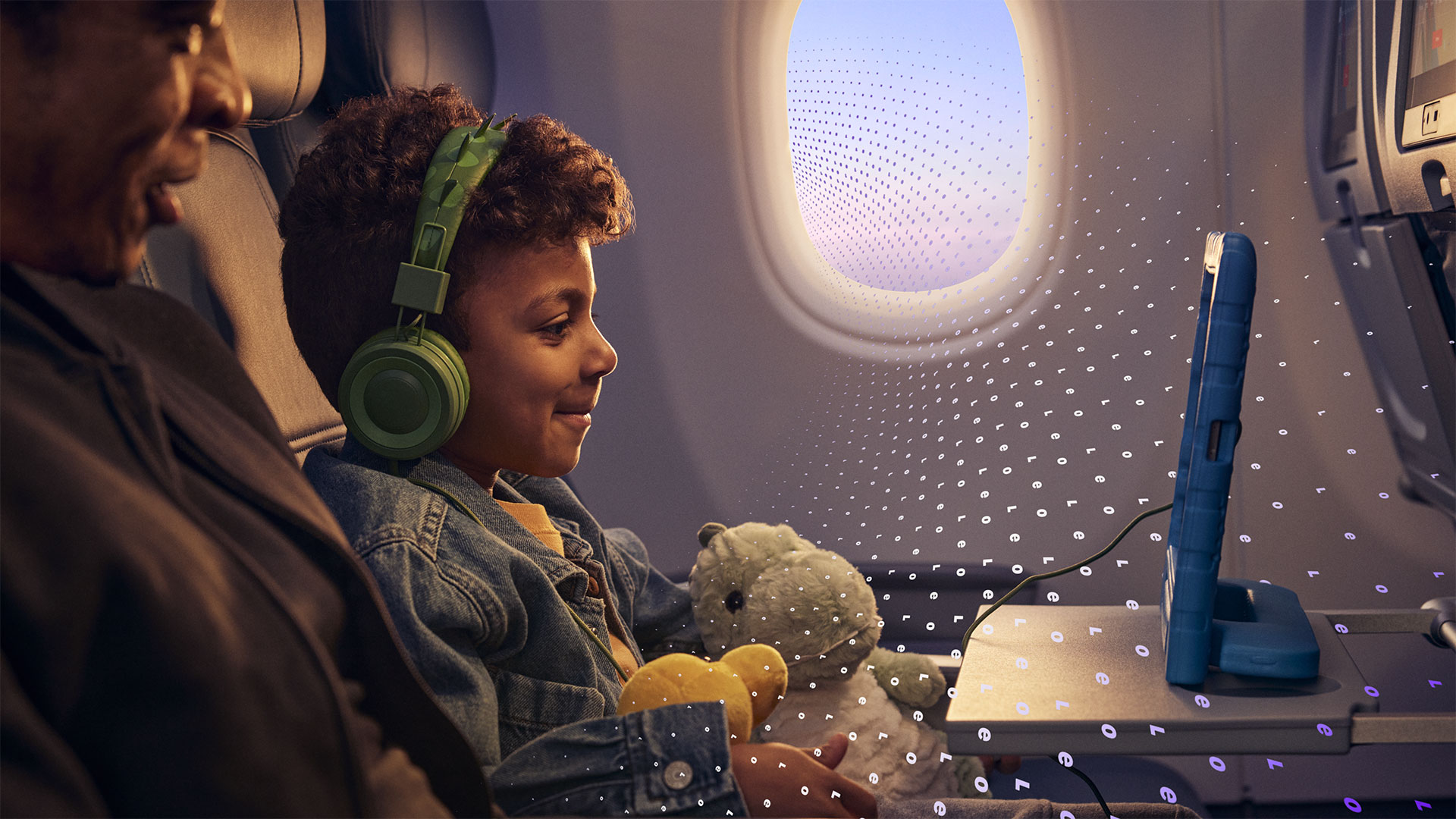
(Featured Image Credit: Delta Air Lines.)
User Generated Content Disclosure: The Bulkhead Seat encourages constructive discussions, comments, and questions. Responses are not provided by or commissioned by any bank advertisers. These responses have not been reviewed, approved, or endorsed by the bank advertiser. It is not the responsibility of the bank advertiser to respond to comments.
Advertiser & Editorial Disclosure: The Bulkhead Seat earns an affiliate commission for anyone approved through the links above This compensation may impact how and where links appear on this site. We work to provide the best publicly available offers to our readers. We frequently update them, but this site does not include all available offers. Opinions, reviews, analyses & recommendations are the author’s alone, and have not been reviewed, endorsed, or approved by any of these entities.