Advertiser & Editorial Disclosure: The Bulkhead Seat earns an affiliate commission for anyone approved through the links below. This compensation may impact how and where links appear on this site. We work to provide the best publicly available offers to our readers. We frequently update them, but this site does not include all available offers. Opinions, reviews, analyses & recommendations are the author’s alone, and have not been reviewed, endorsed, or approved by any of these entities.
United Airlines has pulled its first Boeing 787-9 featuring the carrier’s new “Elevated” interior from service and sent the aircraft back to Boeing following a series of operational disruptions and maintenance problems.
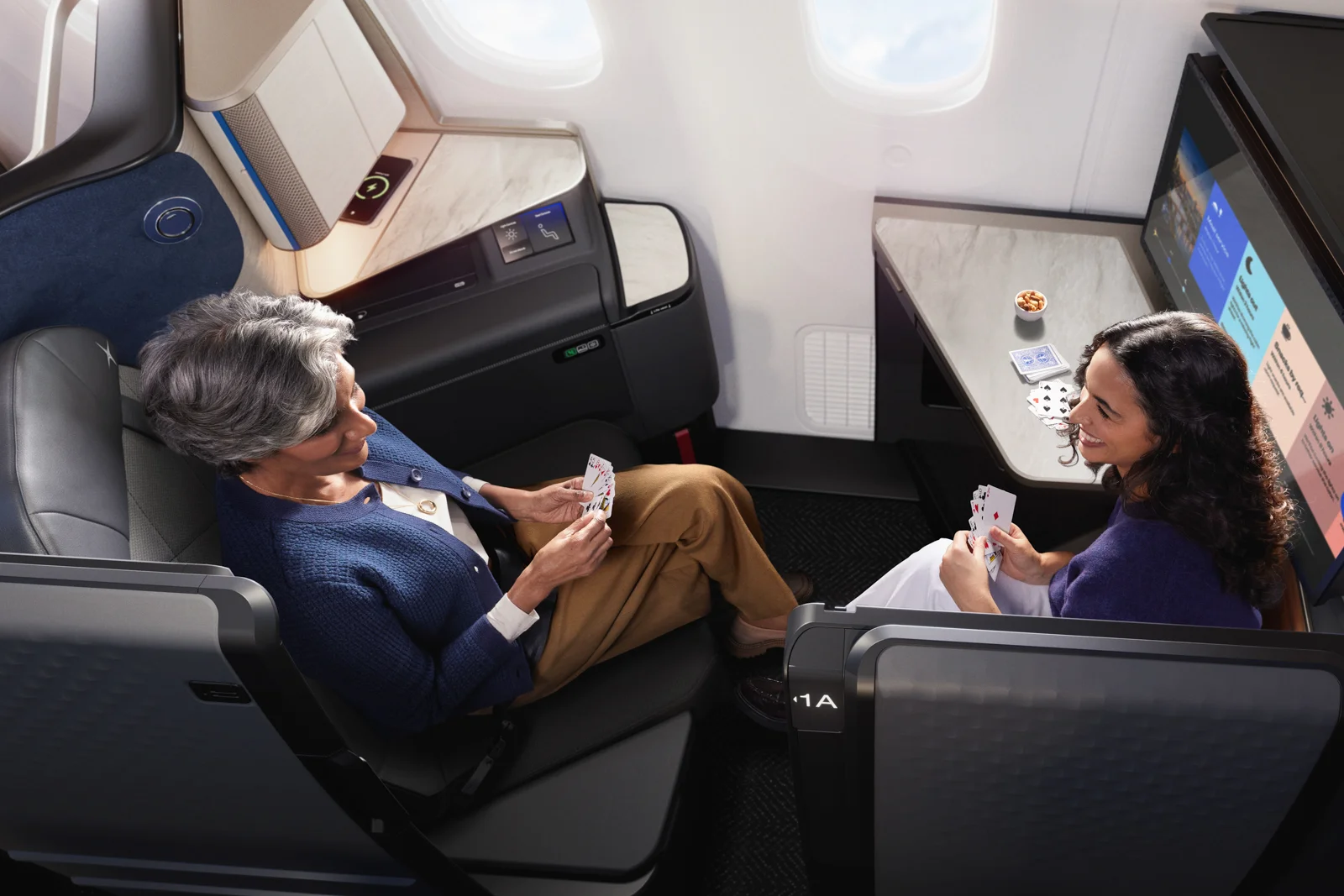
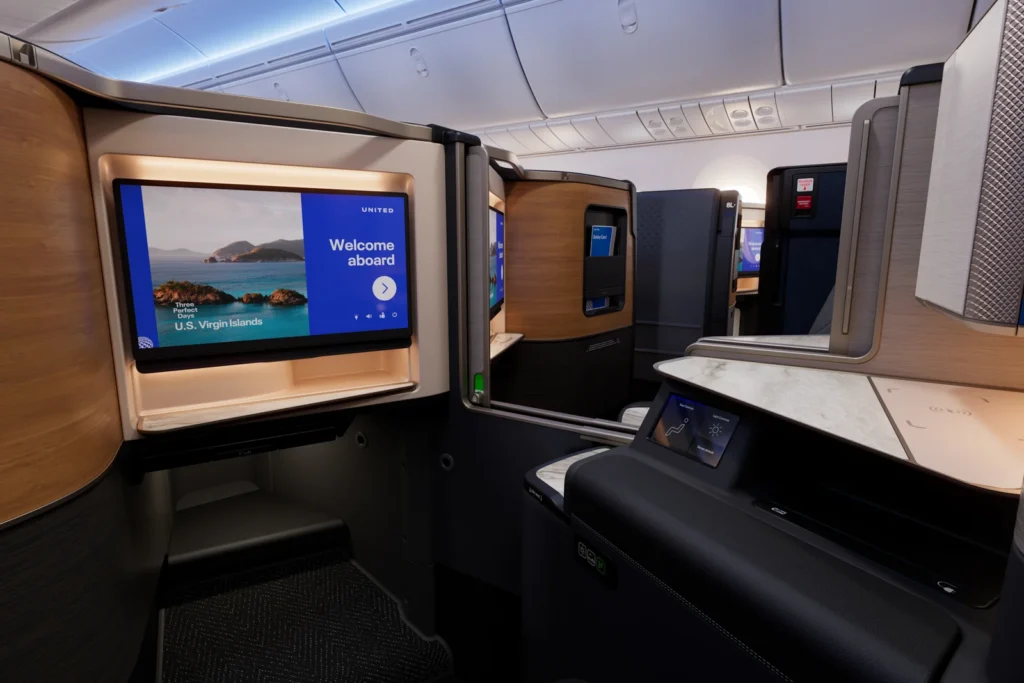
The aircraft was delivered to United in February and entered commercial service in late March as the launch aircraft for the airline’s next-generation long-haul cabin product. The jet features United’s new Polaris® (Business Class) suites with sliding doors as well as eight premium Polaris® Studio suites, an upgraded Premium Plus cabin, and redesigned Economy and Economy Plus seating. Despite the high-profile debut, the aircraft has struggled to maintain a reliable schedule.
One of the most notable incidents occurred during its first international assignment between San Francisco International Airport (SFO) and Singapore Changi Airport (SIN) when the flight was forced to divert after pilots reported an electrical odor shortly after departure. The aircraft later returned to service but experienced additional operational issues on subsequent flights to Singapore Changi Airport (SIN) and London Heathrow Airport (LHR) (resulting in multiple groundings and ferry flights without passengers).
After weeks of recurring disruptions, the aircraft has now been sent to Boeing’s facility in Moses Lake, WA for further evaluation and repairs. Neither United nor Boeing has publicly disclosed the specific issue affecting the aircraft, although aviation observers note that sending a newly delivered wide-body aircraft back to the manufacturer typically indicates a problem beyond routine cabin or cosmetic defects.
The aircraft type is particularly important to United because it serves as the blueprint for the airline’s future premium long-haul fleet. The configuration includes 56 Polaris® suites, eight larger Polaris® Studio seats, 35 Premium Plus seats, and 123 economy seats, which makes it one of the most premium-heavy aircraft in United’s network. While airlines often encounter minor “teething issues” when introducing new aircraft types or cabin products, the repeated groundings and ferry flights suggest this aircraft has faced more significant reliability challenges than typically expected from a newly delivered aircraft.
United has already taken delivery of several additional Boeing 787-9s with the Elevated interior, although reports indicate at least one other aircraft in the fleet has also experienced maintenance-related issues.
Anthony’s Take: The airline is expected to return this one to service once Boeing completes the required work, though no timeline has been announced for the aircraft’s return.
(Image Credits: United Airlines.)
User Generated Content Disclosure: The Bulkhead Seat encourages constructive discussions, comments, and questions. Responses are not provided by or commissioned by any bank advertisers. These responses have not been reviewed, approved, or endorsed by the bank advertiser. It is not the responsibility of the bank advertiser to respond to comments.
Advertiser & Editorial Disclosure: The Bulkhead Seat earns an affiliate commission for anyone approved through the links above This compensation may impact how and where links appear on this site. We work to provide the best publicly available offers to our readers. We frequently update them, but this site does not include all available offers. Opinions, reviews, analyses & recommendations are the author’s alone, and have not been reviewed, endorsed, or approved by any of these entities.