Advertiser & Editorial Disclosure: The Bulkhead Seat earns an affiliate commission for anyone approved through the links below. This compensation may impact how and where links appear on this site. We work to provide the best publicly available offers to our readers. We frequently update them, but this site does not include all available offers. Opinions, reviews, analyses & recommendations are the author’s alone, and have not been reviewed, endorsed, or approved by any of these entities.
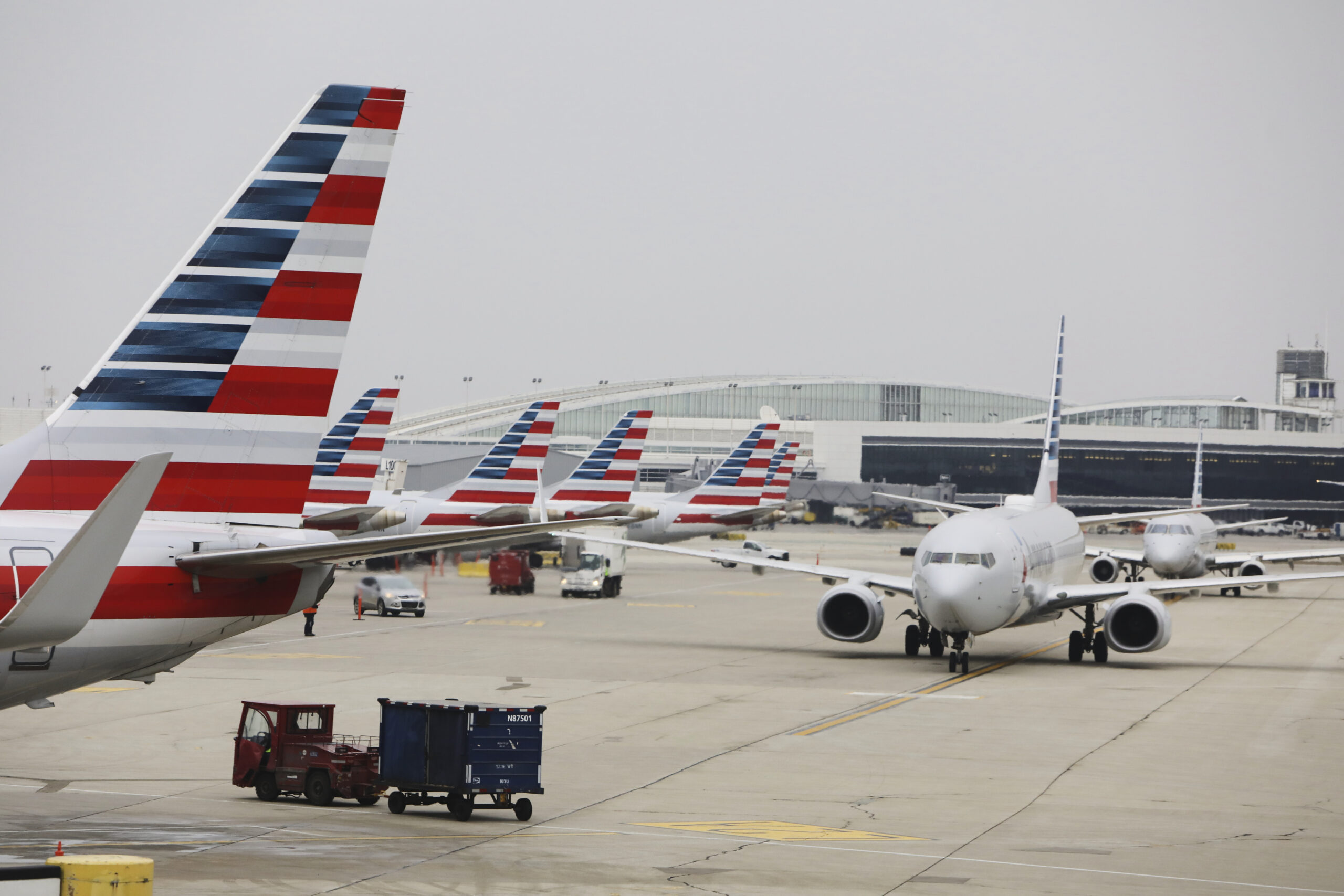
As of today, American Airlines has begun using newly installed secondary cockpit barriers on select aircraft, becoming only the second major US airline to implement the security measure after Southwest Airlines.
The barriers are designed to provide an additional layer of protection for the flight deck when the cockpit door is opened during flight. Historically, flight attendants have used galley carts to temporarily block the aisle while a pilot exited the cockpit. The new barriers are intended to formalize and strengthen that process.
Only a small percentage of American’s fleet is equipped with the barriers. The devices have been installed on newly delivered aircraft since August 2025 and there are currently no plans to retrofit older aircraft. As a result, passengers are unlikely to encounter them consistently for some time.
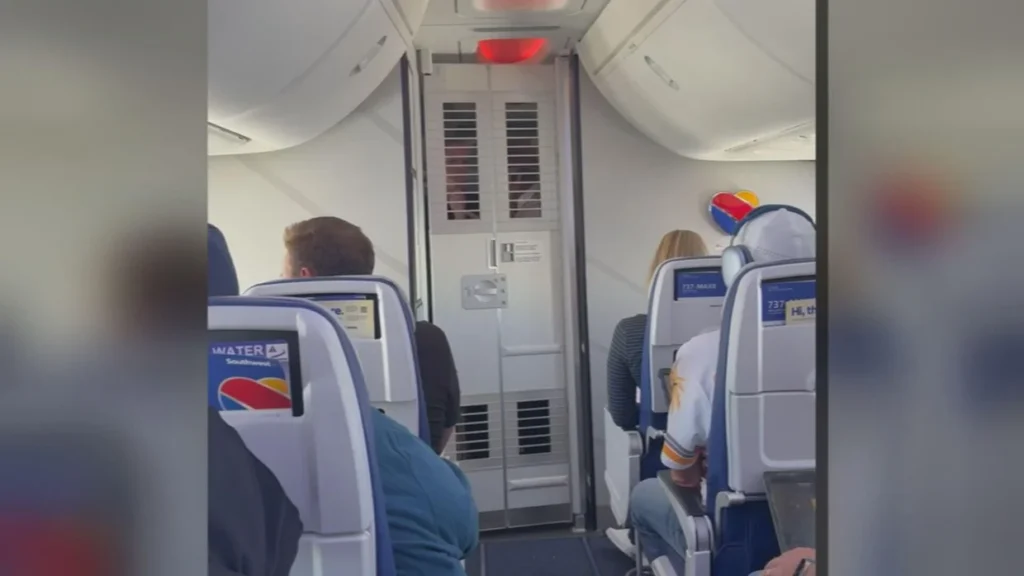
The initiative stems from recommendations made by the 9/11 Commission and represents the final major aviation security recommendation from that report to be implemented by US airlines. The barriers are intended to prevent unauthorized access to the flight deck during the brief moments when the reinforced cockpit door must be opened. While cockpit security has been dramatically strengthened since the September 11th attacks through reinforced doors, stricter procedures, and heightened awareness among crew members and passengers, regulators determined that an additional safeguard was warranted.
Critics, however, question how much practical benefit the barriers provide given the aviation industry’s strong security record over the past two decades. No successful breach of a commercial airline flight deck has occurred since the introduction of reinforced cockpit doors following 9/11.
Supporters argue that aviation safety has always been built on layers of protection and incremental improvements rather than waiting for vulnerabilities to be exposed by an incident.
Anthony’s Take: Regardless of where one stands on the effectiveness of the new barriers, they represent another step in the ongoing evolution of airline security. As more newly delivered aircraft enter service, travelers can expect to see the barriers gradually appear across additional fleets and airlines in the coming years.
(Image Credits: American Airlines and Southwest Airlines.)
(H/T: Paddle Your Own Kanoo.)
User Generated Content Disclosure: The Bulkhead Seat encourages constructive discussions, comments, and questions. Responses are not provided by or commissioned by any bank advertisers. These responses have not been reviewed, approved, or endorsed by the bank advertiser. It is not the responsibility of the bank advertiser to respond to comments.
Advertiser & Editorial Disclosure: The Bulkhead Seat earns an affiliate commission for anyone approved through the links above This compensation may impact how and where links appear on this site. We work to provide the best publicly available offers to our readers. We frequently update them, but this site does not include all available offers. Opinions, reviews, analyses & recommendations are the author’s alone, and have not been reviewed, endorsed, or approved by any of these entities.