Advertiser & Editorial Disclosure: The Bulkhead Seat earns an affiliate commission for anyone approved through the links below. This compensation may impact how and where links appear on this site. We work to provide the best publicly available offers to our readers. We frequently update them, but this site does not include all available offers. Opinions, reviews, analyses & recommendations are the author’s alone, and have not been reviewed, endorsed, or approved by any of these entities.
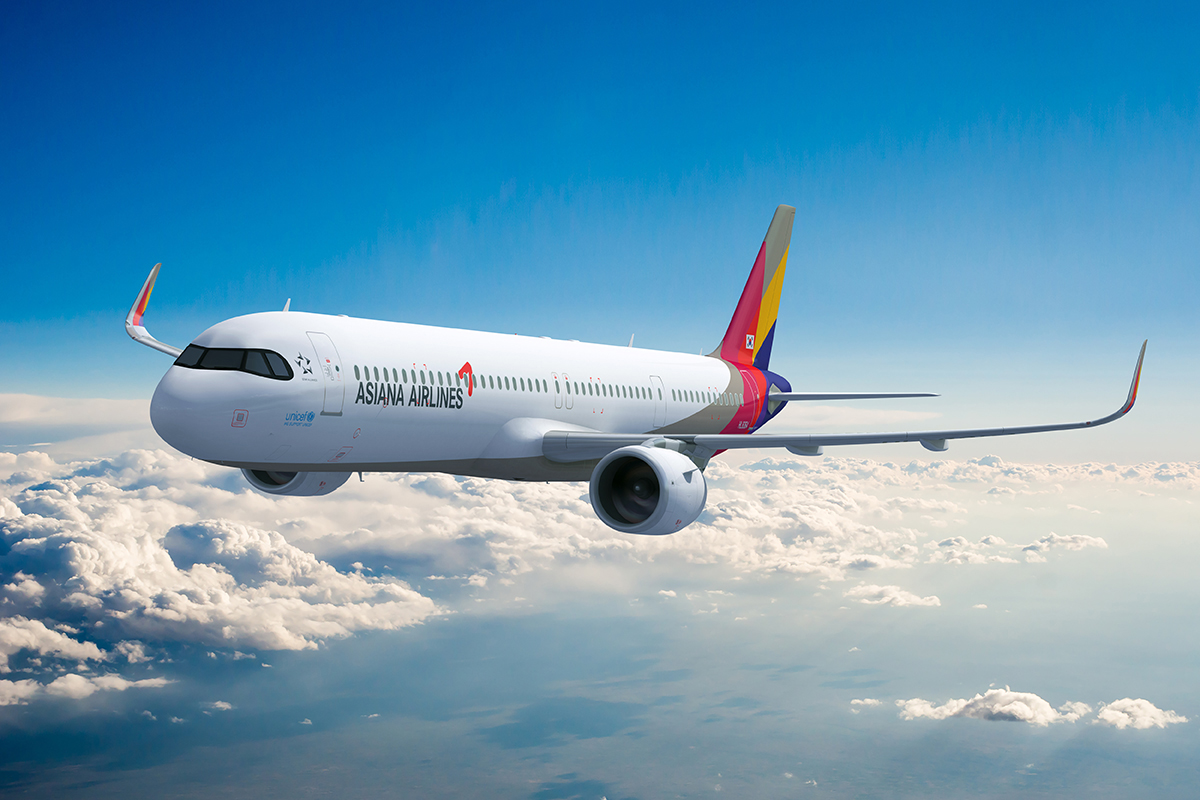
Asiana Airlines will officially exit Star Alliance on December 16th. This brings an end to more than two decades of membership in the world’s largest airline alliance.
The Seoul-based carrier joined Star Alliance in 2003 and has since played a key role in connecting South Korea with destinations across the globe through the alliance’s extensive network. Star Alliance thanked Asiana and its employees for their contributions over the past 23 years, while confirming that both organizations will work closely together to ensure a smooth transition for customers ahead of the departure.
Frequent flyer members of Star Alliance airlines will continue to earn miles on Asiana-operated flights departing on or before October 15th. Award ticket and upgrade redemptions on Asiana will remain available for travel completed by December 16th (subject to individual loyalty program rules).
Elite benefits will also continue through the airline’s final day in the alliance. Star Alliance Gold and Silver members will retain access to priority services when traveling on Asiana, while Star Alliance Gold members will continue to enjoy eligible lounge access (including select Asiana lounges).
Despite Asiana’s departure, Star Alliance will maintain a strong presence in South Korea. Fourteen member airlines will continue serving Seoul Incheon International Airport (ICN), including Air Canada, Air China, Air India, Air New Zealand, EVA Air, Ethiopian Airlines, Lufthansa, LOT Polish Airlines, SWISS, Singapore Airlines, Shenzhen Airlines, Thai Airways, Turkish Airlines, and United Airlines. Collectively, those carriers currently operate more than 1,900 monthly flights from the airport to 29 destinations worldwide. Following Asiana’s exit, Star Alliance will consist of 25 member airlines and continue offering global connectivity through one of the world’s largest airline networks.
Anthony’s Take: The move comes as Asiana prepares for its integration with fellow South Korean carrier Korean Air. Star Alliance has seen more departures than additions in recent years. Here’s hoping for a new member airline in the future.
(Featured Image Credit: Asiana Airlines.)
User Generated Content Disclosure: The Bulkhead Seat encourages constructive discussions, comments, and questions. Responses are not provided by or commissioned by any bank advertisers. These responses have not been reviewed, approved, or endorsed by the bank advertiser. It is not the responsibility of the bank advertiser to respond to comments.
Advertiser & Editorial Disclosure: The Bulkhead Seat earns an affiliate commission for anyone approved through the links above This compensation may impact how and where links appear on this site. We work to provide the best publicly available offers to our readers. We frequently update them, but this site does not include all available offers. Opinions, reviews, analyses & recommendations are the author’s alone, and have not been reviewed, endorsed, or approved by any of these entities.