Advertiser & Editorial Disclosure: The Bulkhead Seat earns an affiliate commission for anyone approved through the links below. This compensation may impact how and where links appear on this site. We work to provide the best publicly available offers to our readers. We frequently update them, but this site does not include all available offers. Opinions, reviews, analyses & recommendations are the author’s alone, and have not been reviewed, endorsed, or approved by any of these entities.
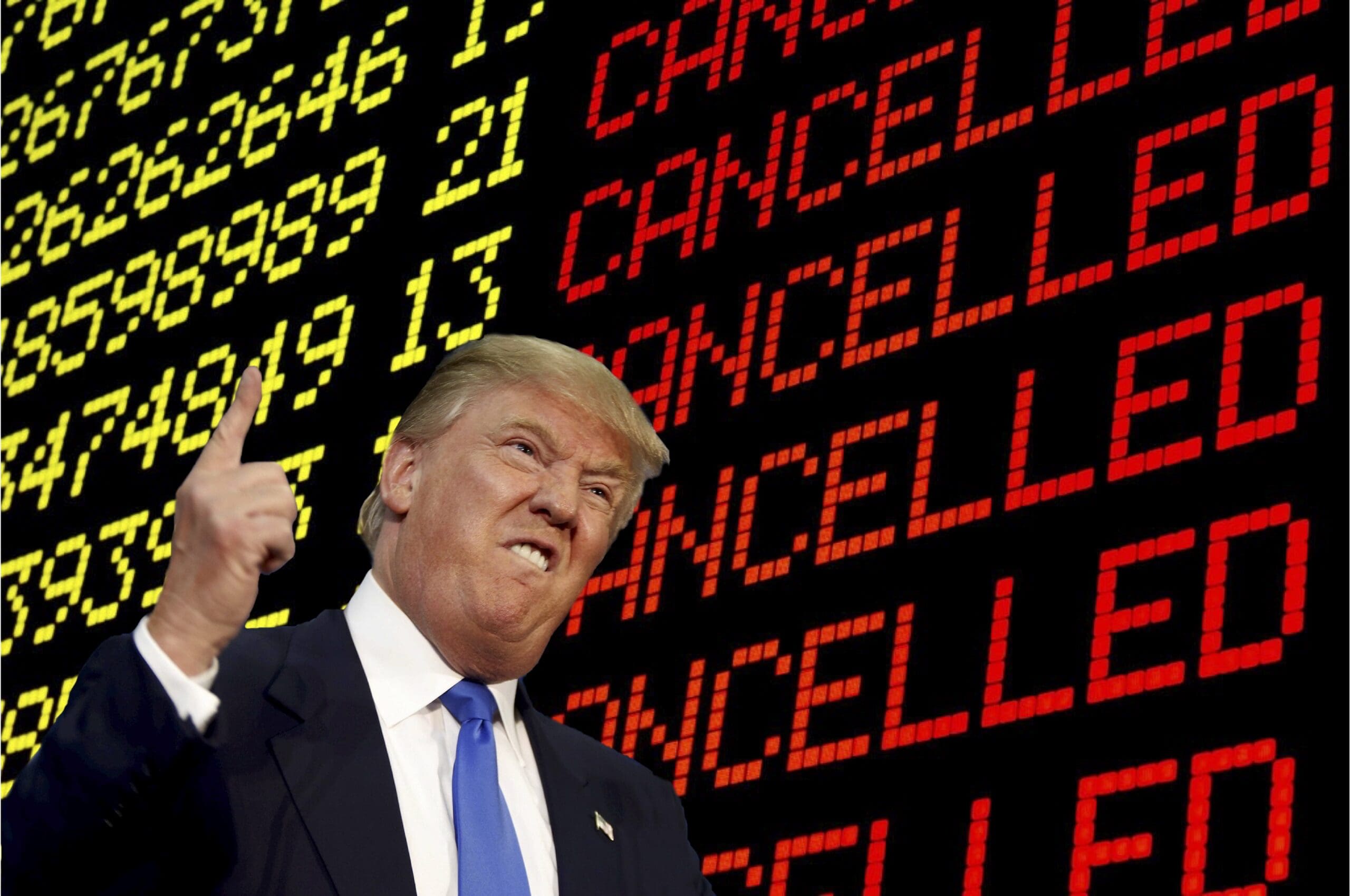
The Trump administration may have backed away from its threat to remove customs officers from Newark Liberty International Airport (EWR), but the broader proposal targeting airports in so-called sanctuary cities remains alive.
According to Forbes, Homeland Security Secretary Markwayne Mullin said there is now “no need” to pull Customs and Border Protection (CBP) officers from Newark after New Jersey increased law enforcement support at the Delaney Hall ICE detention facility. However, the Department of Homeland Security (DHS) confirmed that it is still developing plans to remove customs screening operations from international airports located in Democratic-led sanctuary cities. In other words, Newark may have avoided becoming the first test case, but the larger threat remains on the table.
The controversy began after protests intensified around Delaney Hall, a privately operated immigration detention facility in New Jersey. Mullin warned that if local officials did not do more to protect the facility, DHS would remove CBP officers from Newark Liberty International Airport (EWR) and reassign them to support operations at Delaney Hall. The proposal immediately drew criticism from state officials and the travel industry.
New Jersey Governor Mike Sherrill called the idea “completely ridiculous,” especially with the FIFA World Cup approaching. In response, the state deployed additional police resources to the facility and implemented an overnight curfew around the site. Following those actions, Mullin backed down from the Newark threat, saying there would be “no need” to pull customs officers as long as cooperation between federal, state, and local authorities continued. But he also made clear that similar action could still be taken elsewhere.
The Department of Justice has identified 18 jurisdictions it considers sanctuary cities, including New York City, Los Angeles, Chicago, Boston, Denver, Philadelphia, Seattle, San Francisco, and Newark.
Many of those cities are home to some of the busiest international airports in the United States, including:
- Boston Logan International Airport (BOS)
- Chicago O’Hare International Airport (ORD)
- Denver International Airport (DEN)
- Los Angeles International Airport (LAX)
- New York John F Kennedy International Airport (JFK)
- Philadelphia International Airport (PHL)
- Seattle-Tacoma International Airport (SEA)
- San Francisco International Airport (SFO)
Removing CBP officers from any of these airports would effectively halt international arrivals, creating massive disruptions for airlines, travelers, tourism, and local economies.
Industry groups have been quick to condemn the proposal. The US Travel Association warned that removing customs officers from major airports would create a “severe, self-inflicted economic wound.” The organization estimates that Newark Liberty International Airport (EWR) alone could lose approximately $8 billion in international visitor spending if customs processing were suspended. The International Air Transport Association (IATA) has also warned that such a move could undermine confidence among international partners and raise concerns about the United States’ ability to maintain stable aviation operations. Even Transportation Secretary Sean Duffy publicly pushed back on the idea, arguing that air travel should not be disrupted because of political disagreements between federal and local governments.
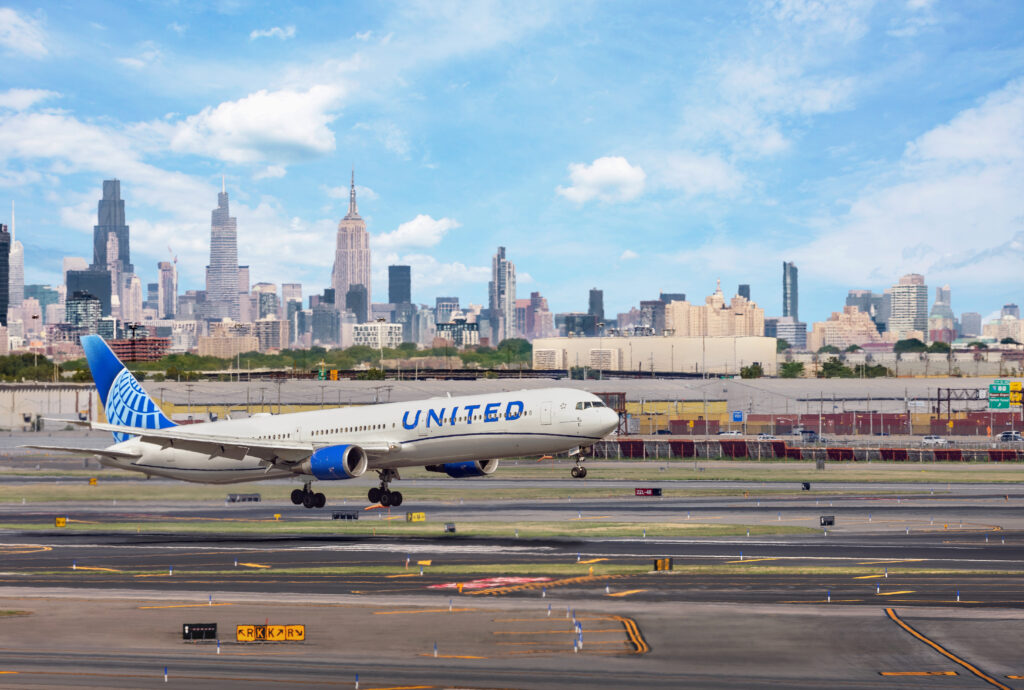
While the proposal has been framed as an immigration enforcement tool, critics argue that its real impact would be felt by travelers, airlines, hotels, convention centers, and businesses that rely on international visitors. Major airlines would face significant operational challenges if customs facilities were suddenly unavailable at their primary gateways. United Airlines, for example, could be among the hardest hit if airports like Newark Liberty International Airport (EWR) were targeted.
International aviation depends on predictability. Airlines schedule routes months in advance, airports plan for major global events years ahead, and travelers book vacations expecting that airports will operate normally. The decision to spare Newark may have temporarily eased concerns, but DHS’s confirmation that it is still developing similar plans for other airports ensures that the controversy is far from over.
Anthony’s Take: For now, Newark has received a reprieve. But with the administration continuing to explore the broader policy, the travel industry remains on high alert over what could become one of the most disruptive aviation proposals in recent memory.
(Image Credits: Mimadeo and Nice PNG and United Airlines.)
User Generated Content Disclosure: The Bulkhead Seat encourages constructive discussions, comments, and questions. Responses are not provided by or commissioned by any bank advertisers. These responses have not been reviewed, approved, or endorsed by the bank advertiser. It is not the responsibility of the bank advertiser to respond to comments.
Advertiser & Editorial Disclosure: The Bulkhead Seat earns an affiliate commission for anyone approved through the links above This compensation may impact how and where links appear on this site. We work to provide the best publicly available offers to our readers. We frequently update them, but this site does not include all available offers. Opinions, reviews, analyses & recommendations are the author’s alone, and have not been reviewed, endorsed, or approved by any of these entities.