
Advertiser & Editorial Disclosure: The Bulkhead Seat earns an affiliate commission for anyone approved through the links below. This compensation may impact how and where links appear on this site. We work to provide the best publicly available offers to our readers. We frequently update them, but this site does not include all available offers. Opinions, reviews, analyses & recommendations are the author’s alone, and have not been reviewed, endorsed, or approved by any of these entities.
President Donald Trump has proposed a shift in how airport security is managed in the United States by calling for the gradual privatization of screening operations currently handled by the Transportation Security Administration (TSA). The proposal would reduce funding for the agency and expand the use of private security contractors at airports across the country. This has not been done at this scale, but there are already many airports with private contractors.
The budget calls for a $52 million reduction in funding for the TSA (the federal agency established after the September 11, 2001 attacks to oversee airport security nationwide). It also proposes requiring smaller airports to participate in an existing program that allows private companies to handle passenger screening (with TSA oversight and funding). Currently, the TSA employs roughly 50,000 federal workers responsible for screening passengers and baggage at the vast majority of US airports. Administration officials argue that airports already using private screeners have demonstrated cost savings compared to fully federalized operations.
The proposal follows weeks of significant disruption at major US airports where long security lines and operational challenges were driven in part by staffing shortages. During a recent funding standoff in Congress, TSA officers went without pay for weeks. This led to elevated absence rates. While absenteeism has since improved after pay resumed, the episode exposed vulnerabilities in the current system. Privatization advocates argue that shifting away from a fully federal workforce could reduce the agency’s exposure to political funding battles and improve operational stability.
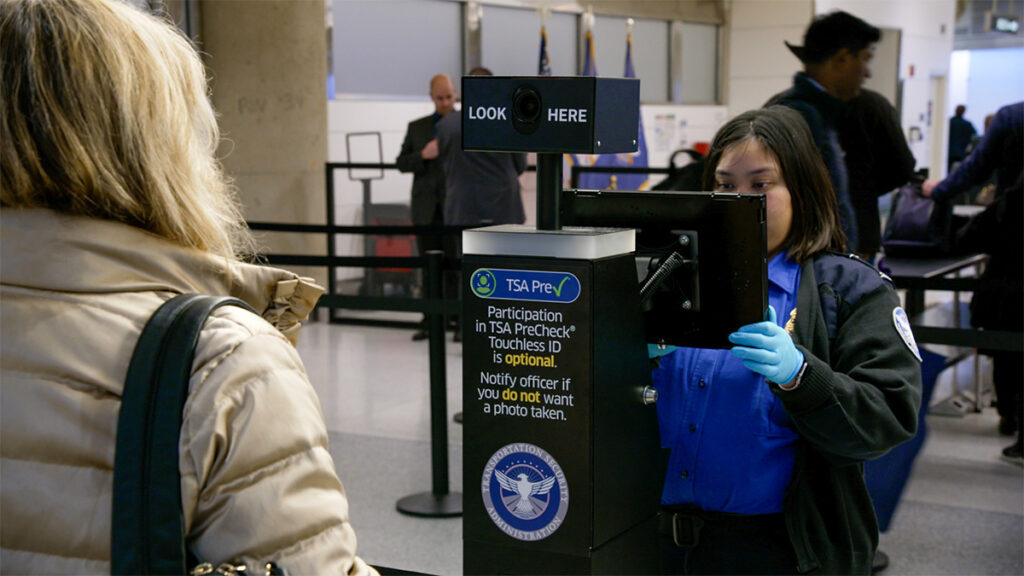
The proposed cuts and structural changes come at a sensitive moment for the aviation sector. More than 500 TSA officers have left their positions in recent weeks after not being paid. At the same time, broader concerns about aviation safety persist (including an ongoing shortage of air traffic controllers). The administration’s budget includes additional funding aimed at hiring more controllers even as it seeks to reduce TSA spending.
The proposal reflects the administration’s broader skepticism of the TSA’s effectiveness. President Trump has previously criticized the agency over performance issues and privacy concerns related to screening procedures. Earlier budget proposals also sought deeper cuts to TSA funding while citing audit failures and concerns about intrusive screening practices. Any move toward privatizing airport security would likely face significant political and logistical hurdles including resistance from labor groups and lawmakers concerned about safety and oversight.
Anthony’s Take: For now, the proposal sets the stage for a broader debate over the future of airport security in the United States. Policymakers need to weigh cost savings against the need for consistent, reliable protection in an increasingly complex travel environment. San Francisco International Airport (SFO) and others have made this work and it needs to be further investigated for others.
(Image Credits: TSA.)
User Generated Content Disclosure: The Bulkhead Seat encourages constructive discussions, comments, and questions. Responses are not provided by or commissioned by any bank advertisers. These responses have not been reviewed, approved, or endorsed by the bank advertiser. It is not the responsibility of the bank advertiser to respond to comments.
Advertiser & Editorial Disclosure: The Bulkhead Seat earns an affiliate commission for anyone approved through the links above This compensation may impact how and where links appear on this site. We work to provide the best publicly available offers to our readers. We frequently update them, but this site does not include all available offers. Opinions, reviews, analyses & recommendations are the author’s alone, and have not been reviewed, endorsed, or approved by any of these entities.


1 comment
Under an honest administration with truly competitive bids this would be a highly dubious proposition. Under the current venal one this would be catastrophic. Sweetheart deals filled with empty promises would gut actual security and increase wait times due to putting profit ahead of practicality. I’m trying to see any way this would be beneficial to the nation long term but there’s just no way in the real world.