Advertiser & Editorial Disclosure: The Bulkhead Seat earns an affiliate commission for anyone approved through the links below. This compensation may impact how and where links appear on this site. We work to provide the best publicly available offers to our readers. We frequently update them, but this site does not include all available offers. Opinions, reviews, analyses & recommendations are the author’s alone, and have not been reviewed, endorsed, or approved by any of these entities.
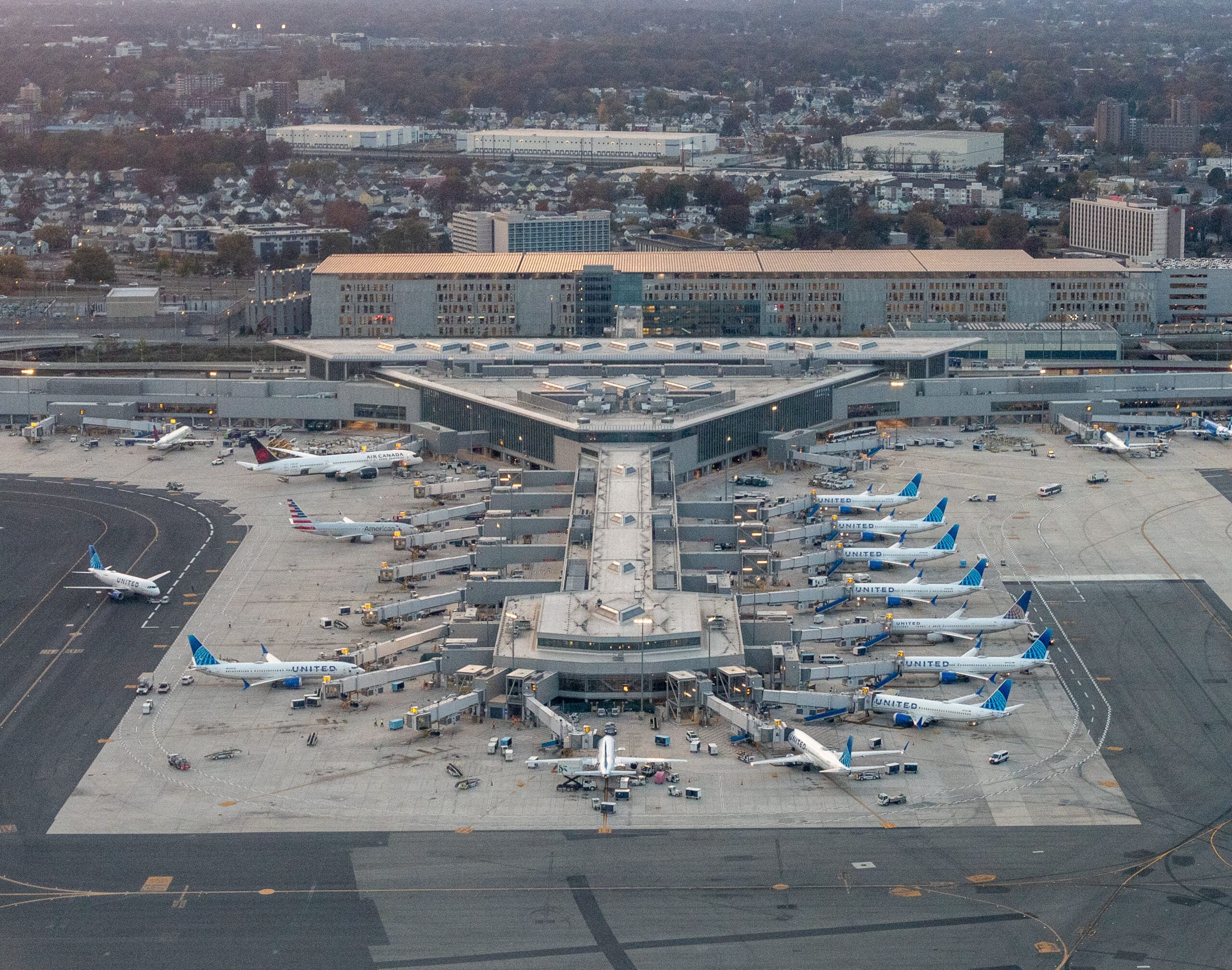
Passengers on board United Airlines flight UA 124 from Newark Liberty International Airport (EWR) to Athens International Airport Eleftherios Venizelos (ATH) endured a frustrating overnight ordeal after a combination of maintenance issues and severe weather left the aircraft stranded on the tarmac for hours before the flight was ultimately canceled.
The flight, scheduled to depart at 4:00 PM on May 20th departed the gate around 25 minutes late due to reported maintenance delays before thunderstorms and severe weather further disrupted operations across the airport. According to passenger reports shared on social media and flight tracking data from FlightAware, the aircraft spent hours delayed on the ground as crews attempted to navigate worsening operational conditions. Passengers described spending more than six and eight hours on the aircraft before it returned to the gate and eventually cancelled around 1:00 AM.
Local reporting from documented broader chaos at Newark Liberty International Airport (EWR) that evening as storms caused widespread delays, diversions, and lengthy tarmac holds across multiple United flights. The disruption highlights the cascading impact severe weather can have on major airline hubs, particularly at United’s NJ hub, where it operates one of its largest domestic and international gateways. Once thunderstorms begin affecting runway operations and air traffic flow in the Northeast corridor, delays can rapidly spread throughout an airline’s network.
Under federal tarmac delay rules, airlines operating domestic flights generally cannot keep passengers onboard for more than three hours without providing an opportunity to deplane. International flights have a four-hour limit before significant exceptions apply for safety or operational reasons. Airlines can, however, exceed those limits under certain conditions involving air traffic control restrictions or safety concerns. United has not publicly commented in detail on the specific circumstances surrounding UA 124, though airlines frequently cite weather and operational safety concerns when handling prolonged ground delays and cancellations.
User Generated Content Disclosure: The Bulkhead Seat encourages constructive discussions, comments, and questions. Responses are not provided by or commissioned by any bank advertisers. These responses have not been reviewed, approved, or endorsed by the bank advertiser. It is not the responsibility of the bank advertiser to respond to comments.
Advertiser & Editorial Disclosure: The Bulkhead Seat earns an affiliate commission for anyone approved through the links above This compensation may impact how and where links appear on this site. We work to provide the best publicly available offers to our readers. We frequently update them, but this site does not include all available offers. Opinions, reviews, analyses & recommendations are the author’s alone, and have not been reviewed, endorsed, or approved by any of these entities.