Advertiser & Editorial Disclosure: The Bulkhead Seat earns an affiliate commission for anyone approved through the links below. This compensation may impact how and where links appear on this site. We work to provide the best publicly available offers to our readers. We frequently update them, but this site does not include all available offers. Opinions, reviews, analyses & recommendations are the author’s alone, and have not been reviewed, endorsed, or approved by any of these entities.
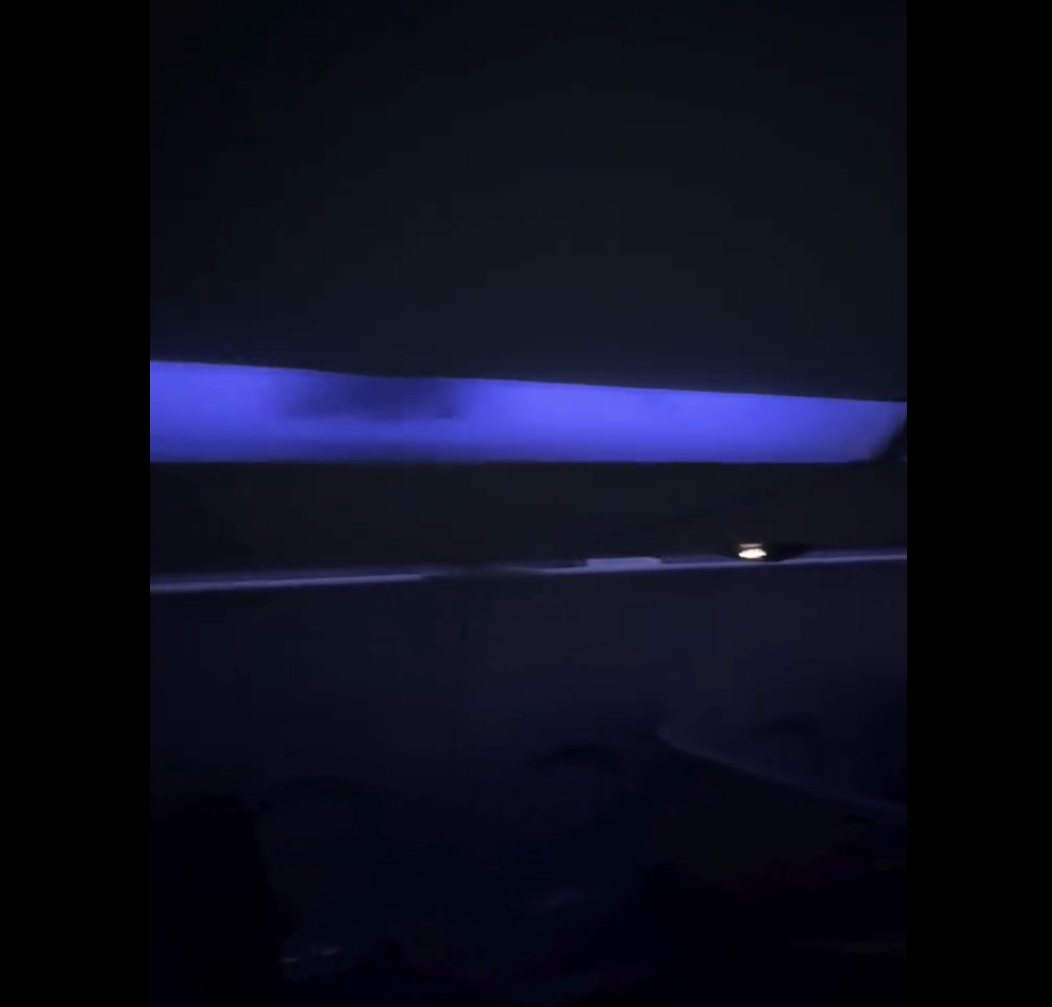
Most JetBlue passengers expect a comfortable space and complimentary snacks in Mint. What they don’t expect is a fellow traveler running around in the ceiling above them. A recent viral video has captured the moment a passenger spotted a rat moving through the cabin ceiling of a JetBlue aircraft while the flight was in the air. The unexpected sighting quickly gained attention online, raising plenty of eyebrows and a few concerns about one of aviation’s least welcome stowaways.
The passenger who recorded the video was traveling in Mint, JetBlue’s Business Class. Based on the seating visible in the footage, the aircraft appears to be either an Airbus A321neo or Airbus A321LR equipped with JetBlue’s latest-generation Mint suites. In just two days, the video has accumulated more than 650,000 views, nearly 11,000 likes, and approximately 800 comments across social media platforms.
While many viewers reacted with humor, aviation professionals know that a rat onboard an aircraft is no laughing matter. A rat inside an aircraft is considered a significant aviation safety and biosecurity concern. Unlike insects or other common pests, rodents are notorious for chewing through electrical wiring, insulation, and even control cables. Modern airliners contain miles of wiring hidden behind sidewalls, ceilings, and beneath cabin floors. Any damage to these systems can create costly maintenance issues and, in extreme cases, potential safety risks.
As a result, airlines typically ground an aircraft immediately if a rodent is spotted onboard. The aircraft must then undergo a thorough inspection and decontamination process before returning to service. The financial impact can be substantial, especially if the aircraft is forced out of service for an extended period while maintenance teams search for the unwanted passenger.
A friend of mine had a squirrel eat the wiring in her car. This was noticed in her garage and not the safety issue of a rat on a plane, but illustrative of rodent problems nonethelesss.
Beyond the risk of damaged wiring, rodents can also carry diseases and parasites that pose health risks to passengers and crew. Although modern aircraft cabins are cleaned regularly, the confined environment of an airplane makes any potential contamination issue a serious matter. For airlines, even a single confirmed rodent sighting can trigger extensive inspections and pest-control procedures.
Thankfully, rodent incidents remain relatively uncommon in commercial aviation. However, they occur often enough that airlines around the world have established procedures specifically for dealing with them. Aircraft frequently operate through airports located near cargo facilities, food service areas, and other environments that can attract pests. Occasionally, an ambitious rodent finds its way onboard during ground operations and becomes an accidental traveler.
Anthony’s Take: For JetBlue, the viral rodent may have generated plenty of social media engagement. For maintenance crews, however, it likely triggered a much less entertaining response: finding out exactly where the furry passenger came from and making sure it doesn’t fly again.
(Featured Image Credit: @brittneynicole291 via Instagram.)
User Generated Content Disclosure: The Bulkhead Seat encourages constructive discussions, comments, and questions. Responses are not provided by or commissioned by any bank advertisers. These responses have not been reviewed, approved, or endorsed by the bank advertiser. It is not the responsibility of the bank advertiser to respond to comments.
Advertiser & Editorial Disclosure: The Bulkhead Seat earns an affiliate commission for anyone approved through the links above This compensation may impact how and where links appear on this site. We work to provide the best publicly available offers to our readers. We frequently update them, but this site does not include all available offers. Opinions, reviews, analyses & recommendations are the author’s alone, and have not been reviewed, endorsed, or approved by any of these entities.