Advertiser & Editorial Disclosure: The Bulkhead Seat earns an affiliate commission for anyone approved through the links below. This compensation may impact how and where links appear on this site. We work to provide the best publicly available offers to our readers. We frequently update them, but this site does not include all available offers. Opinions, reviews, analyses & recommendations are the author’s alone, and have not been reviewed, endorsed, or approved by any of these entities.
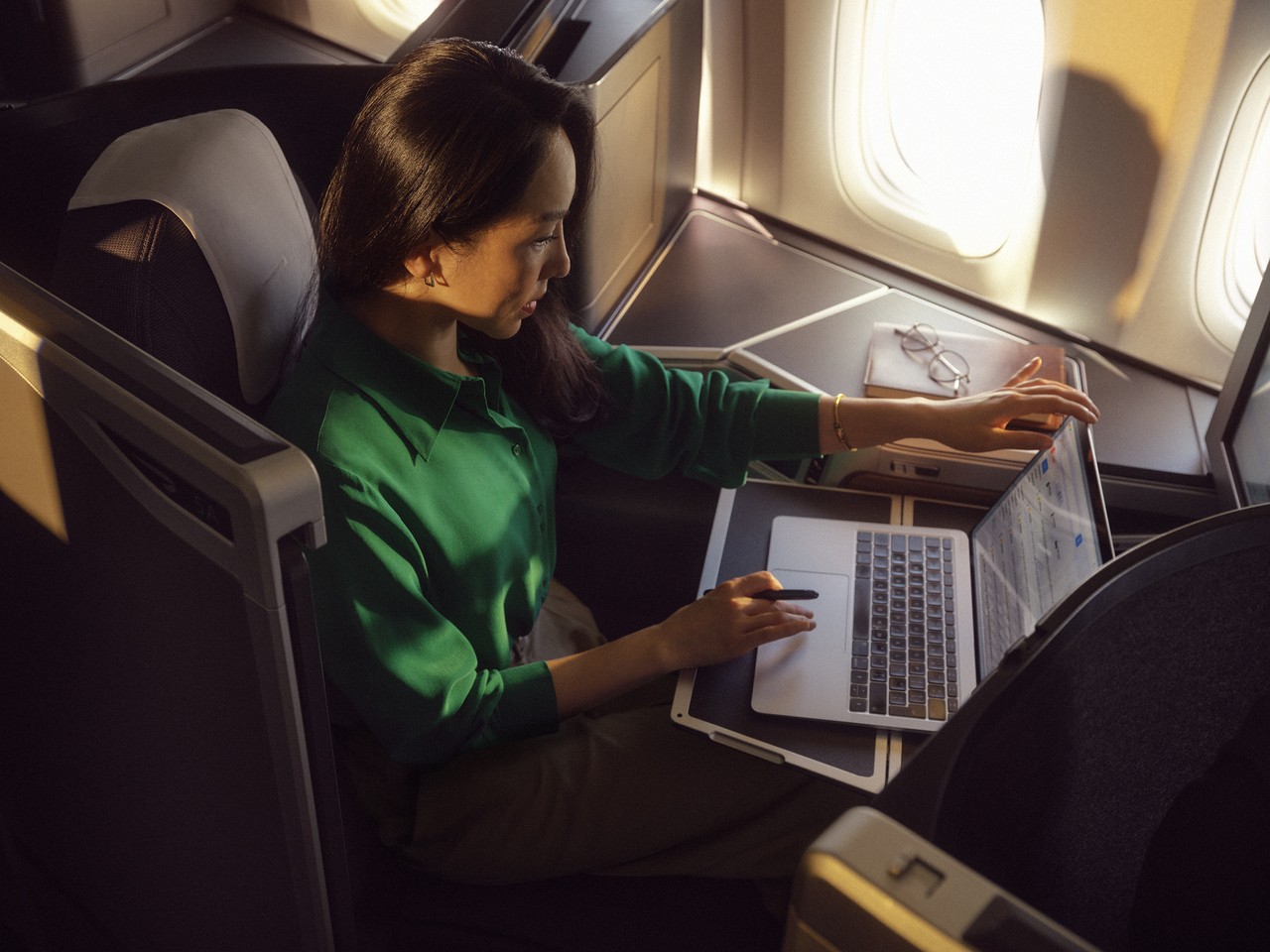
British Airways’ highly anticipated rollout of ultra-fast Starlink Wi-Fi has reportedly been put on hold until at least the end of October as the airline struggles to find enough downtime in its schedule to install the new technology.
The carrier made headlines in March when it became the first UK airline to offer passengers free Starlink internet, promising dramatically faster onboard connectivity capable of supporting streaming, video calls, and multiple connected devices. However, after successfully equipping just five Boeing 787-8, the retrofit program has effectively stalled.
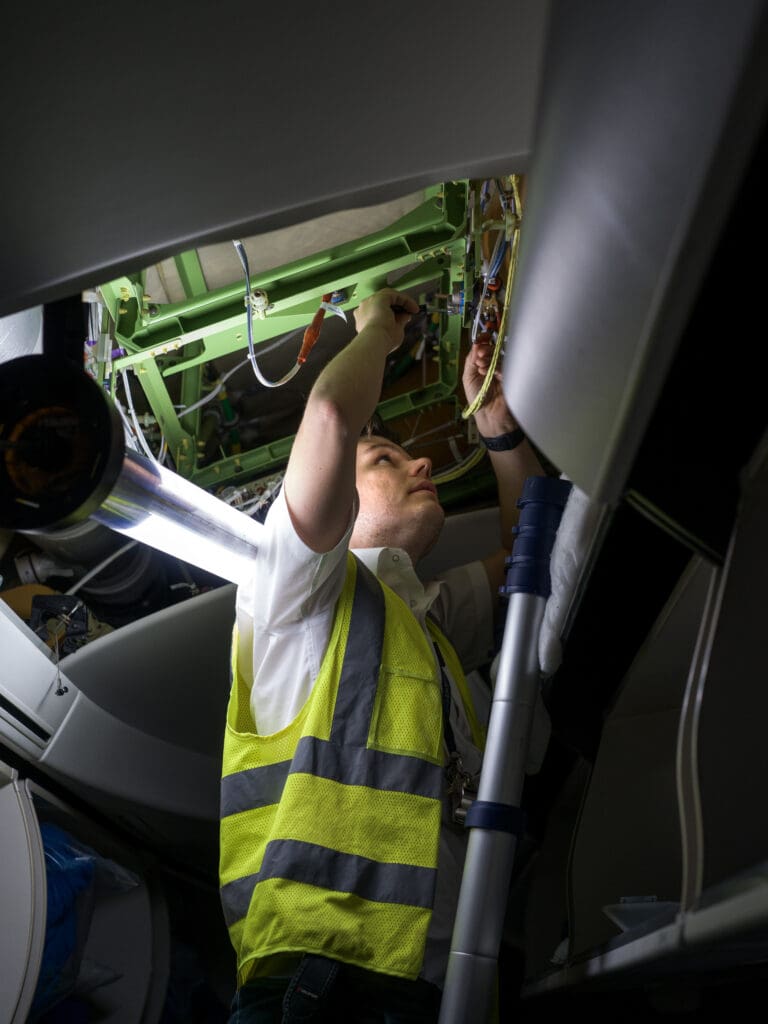
The pause comes despite Starlink’s reputation for being significantly quicker to install than traditional inflight Wi-Fi systems. United Airlines, for example, has said the average Starlink installation takes around eight hours (roughly 10x faster than legacy connectivity systems). Qatar Airways has also rapidly deployed Starlink across dozens of aircraft in a relatively short period.
British Airways, however, faces a different challenge: it simply doesn’t have enough spare aircraft available to take planes out of service for retrofits while maintaining its busy flight schedule. The airline had planned to begin the Starlink rollout on its fleet of 12 Boeing 787-8 aircraft, none of which had previously been equipped with onboard Wi-Fi despite being in service for up to 12 years. The program was then expected to expand to Boeing 787-9 aircraft before moving onto other long-haul types (including the Airbus A380).
Instead, aircraft that were expected to receive Starlink this summer will continue flying without Wi-Fi for the foreseeable future. British Airways has been grappling with fleet reliability challenges for several years, particularly related to ongoing Rolls-Royce engine issues affecting parts of its Boeing 787 fleet. At the same time, delays to Boeing 787-10 deliveries and the long-running certification delay for the Boeing 777X have left the airline with fewer aircraft than originally planned. The decision to permanently retire its Boeing 747-400 fleet during the COVID-19 pandemic has also reduced operational flexibility. Even with some Middle East routes currently suspended, the airline’s long-haul fleet remains stretched thin, leaving little room to schedule retrofit work.
The delay has allowed rival Virgin Atlantic to leap ahead in the race to deploy Starlink across its fleet. While British Airways currently has Starlink installed on just five aircraft, Virgin Atlantic has reportedly completed installations on all 12 of its Airbus A350-1000s. Industry observers believe British Airways was eager to launch Starlink first in order to beat its long-time competitor to market, but Virgin has since gained the upper hand in terms of deployment. However, Virgin Atlantic is also understood to have paused its own rollout during the peak summer travel season, highlighting the operational challenges airlines face when removing aircraft from service during busy periods.
British Airways previously stated that it intended to complete the Starlink rollout across more than 300 aircraft within two years. That target now appears increasingly difficult to achieve. Without a significant acceleration in installations, industry estimates suggest the airline may only have retrofitted around 20% of its fleet by the original March 2028 deadline. The expectation is that retrofit work will resume once the summer aviation season concludes on October 25th. Even then, progress could again be interrupted during the busy Christmas and New Year travel period.
Anthony’s Take: For passengers hoping to experience Starlink’s ultra-fast internet on British Airways this year, the wait may be considerably longer than originally anticipated. Until fleet pressures ease, the airline’s ambitious connectivity transformation appears destined to remain grounded.
(H/T: Paddle Your Own Kanoo.)
User Generated Content Disclosure: The Bulkhead Seat encourages constructive discussions, comments, and questions. Responses are not provided by or commissioned by any bank advertisers. These responses have not been reviewed, approved, or endorsed by the bank advertiser. It is not the responsibility of the bank advertiser to respond to comments.
Advertiser & Editorial Disclosure: The Bulkhead Seat earns an affiliate commission for anyone approved through the links above This compensation may impact how and where links appear on this site. We work to provide the best publicly available offers to our readers. We frequently update them, but this site does not include all available offers. Opinions, reviews, analyses & recommendations are the author’s alone, and have not been reviewed, endorsed, or approved by any of these entities.