Advertiser & Editorial Disclosure: The Bulkhead Seat earns an affiliate commission for anyone approved through the links below. This compensation may impact how and where links appear on this site. We work to provide the best publicly available offers to our readers. We frequently update them, but this site does not include all available offers. Opinions, reviews, analyses & recommendations are the author’s alone, and have not been reviewed, endorsed, or approved by any of these entities.
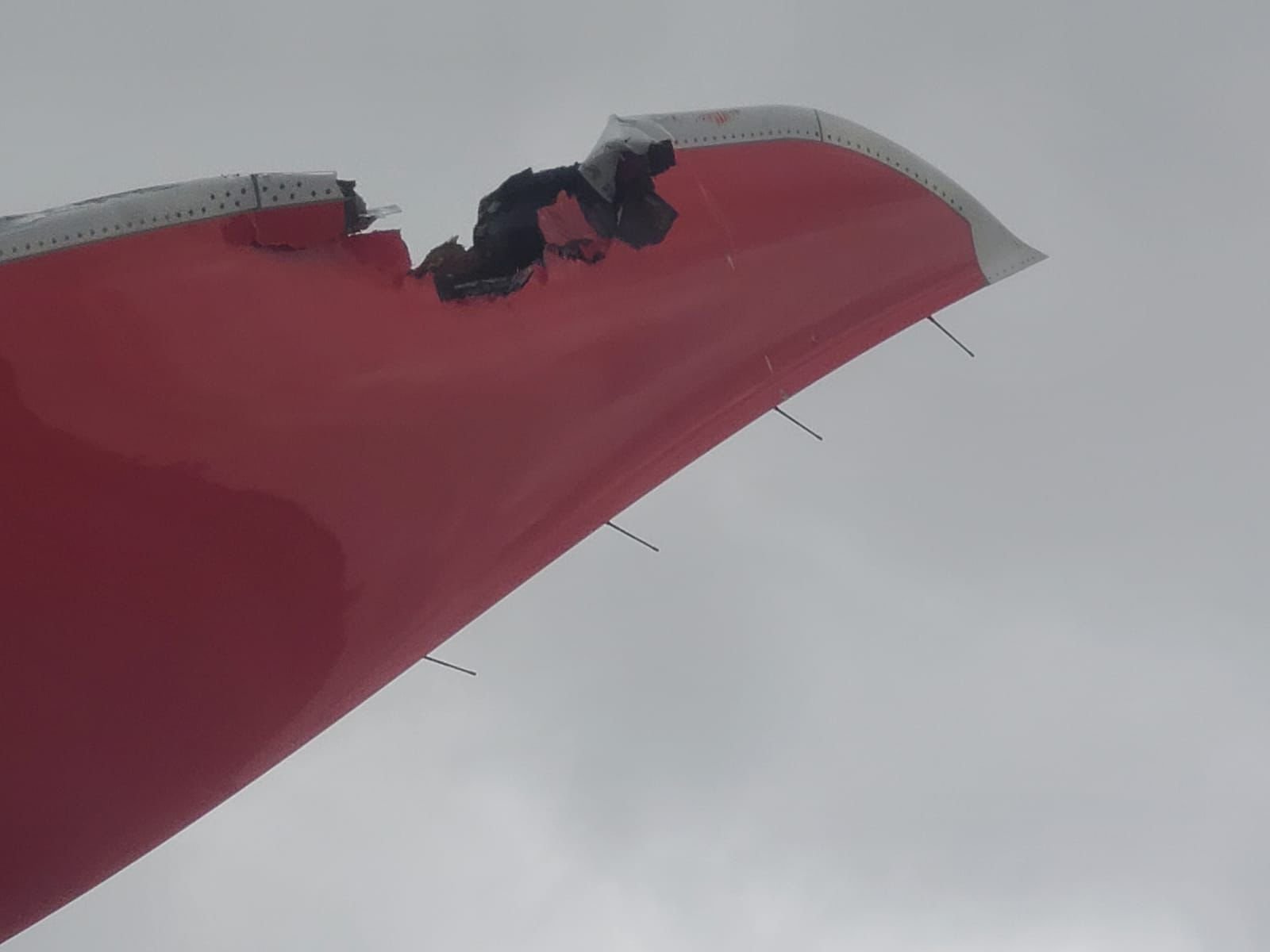
An Iberia Airbus A350 was involved in an unusual ground incident at Guayaquil’s José Joaquín de Olmedo International Airport (GYE) earlier today when the aircraft’s wingtip struck the extendable arm of a fire department vehicle participating in a ceremonial water cannon salute.
The incident occurred shortly before noon local time as the aircraft was preparing to operate its return flight to Adolfo Suárez Madrid-Barajas Airport (MAD). According to Tagsa, the company that manages the airport, the accident happened at approximately 11:56 AM local time while the aircraft was taxiing after arriving from Madrid. The fire truck involved was part of a traditional water cannon salute organized to celebrate the introduction of Iberia’s new route. During the maneuver, the aircraft’s wingtip reportedly grazed the water cannon turret mounted on the fire department vehicle.
Emergency procedures were immediately activated following the incident. Fortunately, no injuries were reported. Passengers on board safely disembarked the aircraft, while Iberia moved quickly to assist travelers affected by the disruption. The airline provided accommodations, meals, and alternative travel arrangements for passengers scheduled to fly to Madrid.
The Airbus A350 remains grounded while technicians conduct a detailed inspection to assess the extent of the damage. Investigators will determine whether repairs or component replacements are required before the aircraft can return to service.
The incident is particularly noteworthy because water cannon salutes are a long-standing aviation tradition used to mark milestone flights, new route launches, airline anniversaries, or the arrival of new aircraft types. While generally considered safe when carefully coordinated, they require precise positioning between pilots and airport emergency vehicles.
The Airbus A350 involved in the incident was operating one of Iberia’s flagship long-haul services and represented the airline’s newest generation of widebody aircraft serving Ecuador.
Anthony’s Take: Although the damage appears to be limited, the cancellation of the return flight to Madrid created significant disruption for passengers and underscores how even routine ceremonial events can occasionally result in unexpected operational challenges.
(Featured Image Credit: @aviationbrk via X.)
User Generated Content Disclosure: The Bulkhead Seat encourages constructive discussions, comments, and questions. Responses are not provided by or commissioned by any bank advertisers. These responses have not been reviewed, approved, or endorsed by the bank advertiser. It is not the responsibility of the bank advertiser to respond to comments.
Advertiser & Editorial Disclosure: The Bulkhead Seat earns an affiliate commission for anyone approved through the links above This compensation may impact how and where links appear on this site. We work to provide the best publicly available offers to our readers. We frequently update them, but this site does not include all available offers. Opinions, reviews, analyses & recommendations are the author’s alone, and have not been reviewed, endorsed, or approved by any of these entities.