Advertiser & Editorial Disclosure: The Bulkhead Seat earns an affiliate commission for anyone approved through the links below. This compensation may impact how and where links appear on this site. We work to provide the best publicly available offers to our readers. We frequently update them, but this site does not include all available offers. Opinions, reviews, analyses & recommendations are the author’s alone, and have not been reviewed, endorsed, or approved by any of these entities.
Spirit Airlines going out of business has taken over almost all travel news this weekend. While I’ll miss Spirit, it’s not the first airline to have folded and it won’t be the last. The US airline industry once looked very different. Before consolidation, deregulation, and decades of financial turbulence reshaped aviation, a wide array of airlines (both large and small) connected cities across the country and around the world. Today, many of those names have disappeared, been absorbed into larger carriers, or lost to bankruptcy. Here are some notable airlines that are no longer taking to the skies.
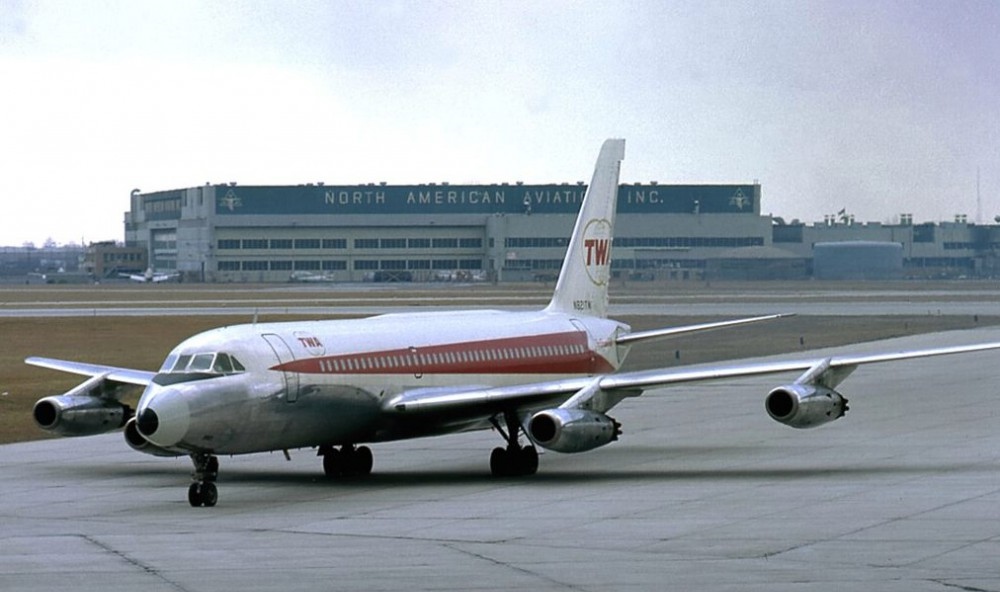
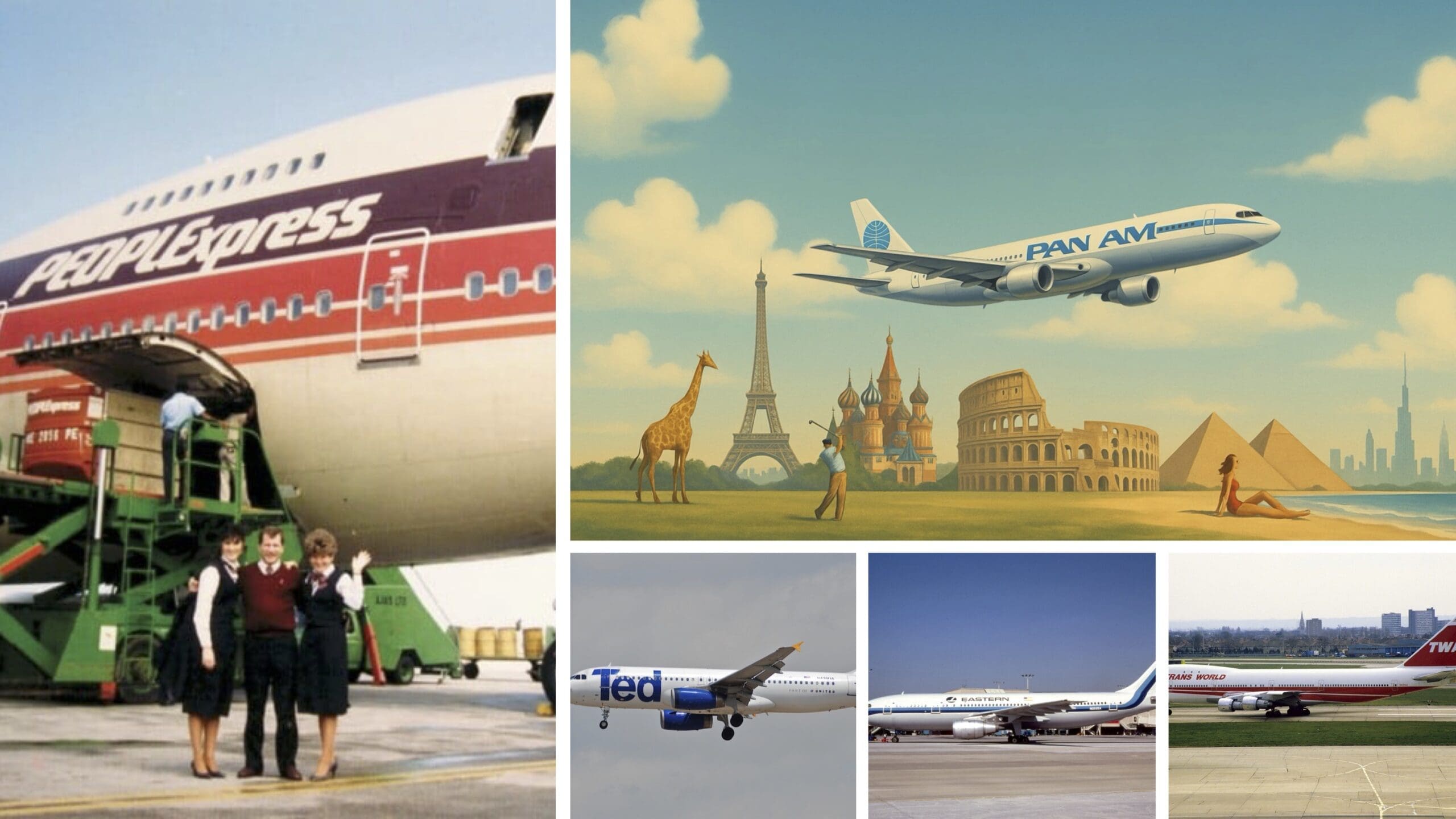
Few airlines captured the imagination like Pan American World Airways (Pan Am). Founded in 1927, Pan Am became synonymous with international travel, pioneering global routes, and the glamour of flying. From transporting The Beatles to envisioning commercial space travel, its ambitions were unmatched. Economic pressures, including the oil crises of the 1970s, led to its eventual collapse in 1991. Similarly, Trans World Airlines (TWA) rose to prominence as a global carrier but struggled under financial strain and controversial management decisions. It was ultimately acquired by American Airlines in 2001.
The Airline Deregulation Act of 1978 dramatically reshaped the industry (encouraging competition but also triggering instability). Carriers like Braniff International Airways and Eastern Air Lines could not survive the new environment. Braniff, known for its bold branding and international reach, shut down in 1982. Eastern ceased operations in 1991 after years of labor disputes and financial losses. Smaller regional carriers also struggled. Central Airlines, which focused on smaller Midwestern markets, was eventually absorbed as consolidation swept through the industry.
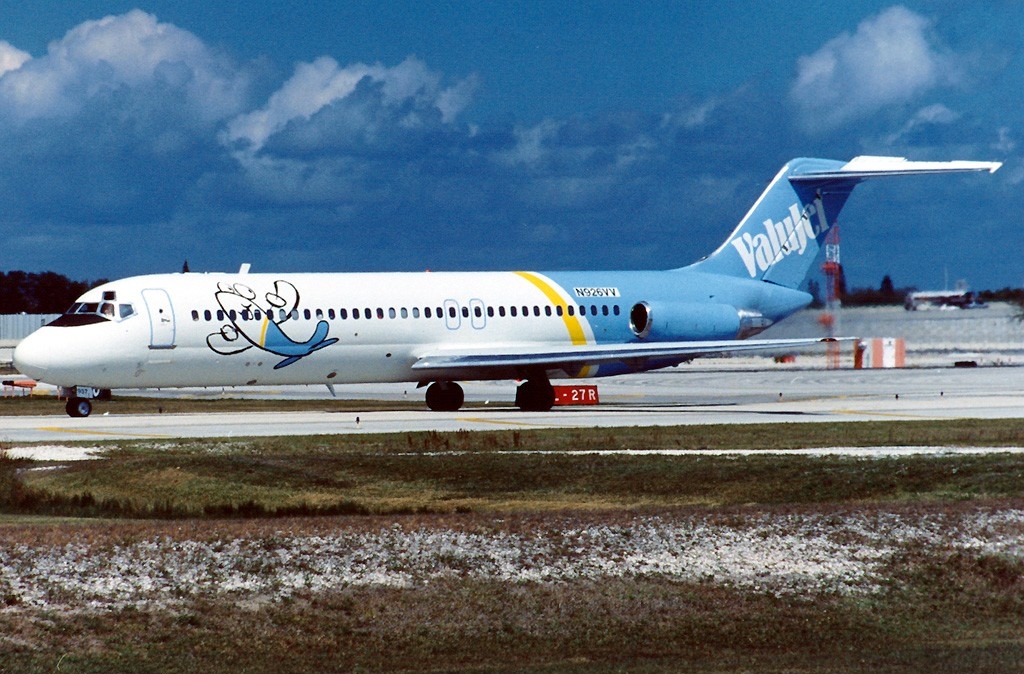
Some airlines foreshadowed today’s budget travel model. People Express Airlines offered ultra-low fares and even transatlantic flights in the 1980s, but rapid expansion and thin margins led to its absorption by Continental in 1987. ValuJet Airlines also pursued low-cost travel but faced a catastrophic crash in 1996 that severely damaged its reputation. The airline later merged and rebranded as AirTran Airways. United even got into the low-cost game with the launch of Ted. The no-frills subsidiary lived from 2003 to 2009. Ted was not actually a certificated airline, but rather branding that was applied to differentiate the all-Economy service from United’s mainline flights.
Even unconventional ventures like Hooters Air briefly took to the skies to blend novelty with leisure travel before shutting down after just a few years. Trump Shuttle was another short-lived airline owned by President Donald Trump from 1989 to 1992. The landing rights and some of the physical assets \were originally part of Eastern Air Lines and known as the Eastern Air Lines Shuttle. These flights ran hourly on Trump Shuttle from New York LaGuardia Airport (LGA) to both Boston Logan International Airport (BOS) and Washington Dulles International Airport (IAD).
Many familiar names didn’t disappear entirely, but they became part of today’s major airlines. Northwest Airlines joined Delta Air Lines in 2010, Continental Airlines merged with United Airlines in 2012, and US Airways was merged into American Airlines in 2015. America West Airlines was acquired by US Airways years before its merger with American. Other carriers followed similar paths. Western Airlines and Northeast Airlines were also absorbed by Delta while AirTran Airways became part of Southwest Airlines. Virgin America brought a stylish, tech-forward approach to domestic travel before being acquired by Alaska Airlines in 2016.
The disappearance of these airlines reflects broader industry trends: consolidation, rising costs, and intense competition. While today’s landscape is dominated by a handful of large carriers, the legacy of these defunct airlines lives on in routes, branding, and innovations that helped shape modern air travel.
Anthony’s Take: While many are mourning Spirit Airlines and others are laughing at its demise, the history of US aviation is filled with bold ideas, rapid growth, and dramatic collapses. From global icons like Pan Am to quirky newcomers like Hooters Air, these airlines played a vital role in making air travel what it is today (even if their names no longer appear on aircraft tails).
(Image Credits: Aero Icarus, Pan Am, Tim Rees, Airport Media, Inc., clipperarctic, JetPix, and Bob Garrard.)
User Generated Content Disclosure: The Bulkhead Seat encourages constructive discussions, comments, and questions. Responses are not provided by or commissioned by any bank advertisers. These responses have not been reviewed, approved, or endorsed by the bank advertiser. It is not the responsibility of the bank advertiser to respond to comments.
Advertiser & Editorial Disclosure: The Bulkhead Seat earns an affiliate commission for anyone approved through the links above This compensation may impact how and where links appear on this site. We work to provide the best publicly available offers to our readers. We frequently update them, but this site does not include all available offers. Opinions, reviews, analyses & recommendations are the author’s alone, and have not been reviewed, endorsed, or approved by any of these entities.


1 comment
I recall reading an article a few years back that stated that Alfred Kahn – the father of airline deregulation in the USA – never thought that we’d have reached the level of overconsolidation that we have attained today. I miss having Eastern be a viable alternative to Delta in Atlanta and Pan Am and Eastern competing in Miami.