Advertiser & Editorial Disclosure: The Bulkhead Seat earns an affiliate commission for anyone approved through the links below. This compensation may impact how and where links appear on this site. We work to provide the best publicly available offers to our readers. We frequently update them, but this site does not include all available offers. Opinions, reviews, analyses & recommendations are the author’s alone, and have not been reviewed, endorsed, or approved by any of these entities.
I’ve written before about the growing dispute between the two largest airlines at Chicago O’Hare International Airport (ORD) and how it has been escalating. American Airlines is now publicly accusing United Airlines of deliberately overscheduling flights in an effort to maintain control of airport gates and block rivals from expanding.
The allegation surfaced in an internal memo (seen above) sent to American Airlines employees. It outlines concerns that United dramatically increased its planned summer schedule to influence gate allocation rules at the airport. This summer, United is planning to operate 750 daily flights. This is roughly 200 more than American has scheduled. Here is the full list.
The memo also revealed that the Federal Aviation Administration (FAA) has called the airlines to Washington, DC for a schedule reduction meeting aimed at addressing the crazy schedule at the airport before the busy summer travel season begins. The meeting has already taken place, but the agency has not yet announced a final decision.
American Airlines argues that the current summer 2026 schedules published by airlines exceed what Chicago O’Hare International Airport (ORD) can realistically handle operationally (even in good weather conditions). According to the airline, the level of planned traffic increases the risk of widespread delays similar to those experienced at Newark Liberty International Airport (EWR) during the previous summer. The memo specifically singles out United Airlines and accuses the carrier of significantly increasing its flight schedule in order to protect its gate share at the airport.
At the heart of the disagreement is the airport’s gate leasing structure, which partially allocates gates based on the amount of flying each airline conducted during the prior year. American Airlines claims United is exploiting this system by dramatically increasing its number of scheduled flights.
According to the memo, United added roughly 130 daily flights to its summer schedule. This represents a 34% increase compared with the previous year and pushes its operation well beyond pre-pandemic levels. American argues the additional flights are not driven by passenger demand, but instead are intended to preserve United’s gate dominance at the airport.
The airline also alleges that during certain periods of the day, United alone has scheduled more departures than the FAA’s published departure rate allows for the entire airport. If accurate, that level of scheduling could create significant operational bottlenecks and delays.
Overscheduling airports is not uncommon, as airlines often increase flight schedules to protect gates, slots, or competitive positioning. However, the situation at Chicago O’Hare International Airport (ORD) is attracting attention because federal regulators appear ready to intervene before the peak summer season. The FAA is evaluating airline schedules and may impose limits on the number of daily operations in order to prevent congestion and maintain safe airport operations.
While tighter controls could reduce the total number of flights available in the short term, regulators and industry observers note that maintaining a balanced competitive environment between major carriers may ultimately help preserve competition and stabilize fares over the long term.
Anthony’s Take: With both American Airlines and United Airlines heavily invested in the Chicago airport, it’s going to be interesting to see how it operates this summer (and with all of those seats if there will be any deals to be had).
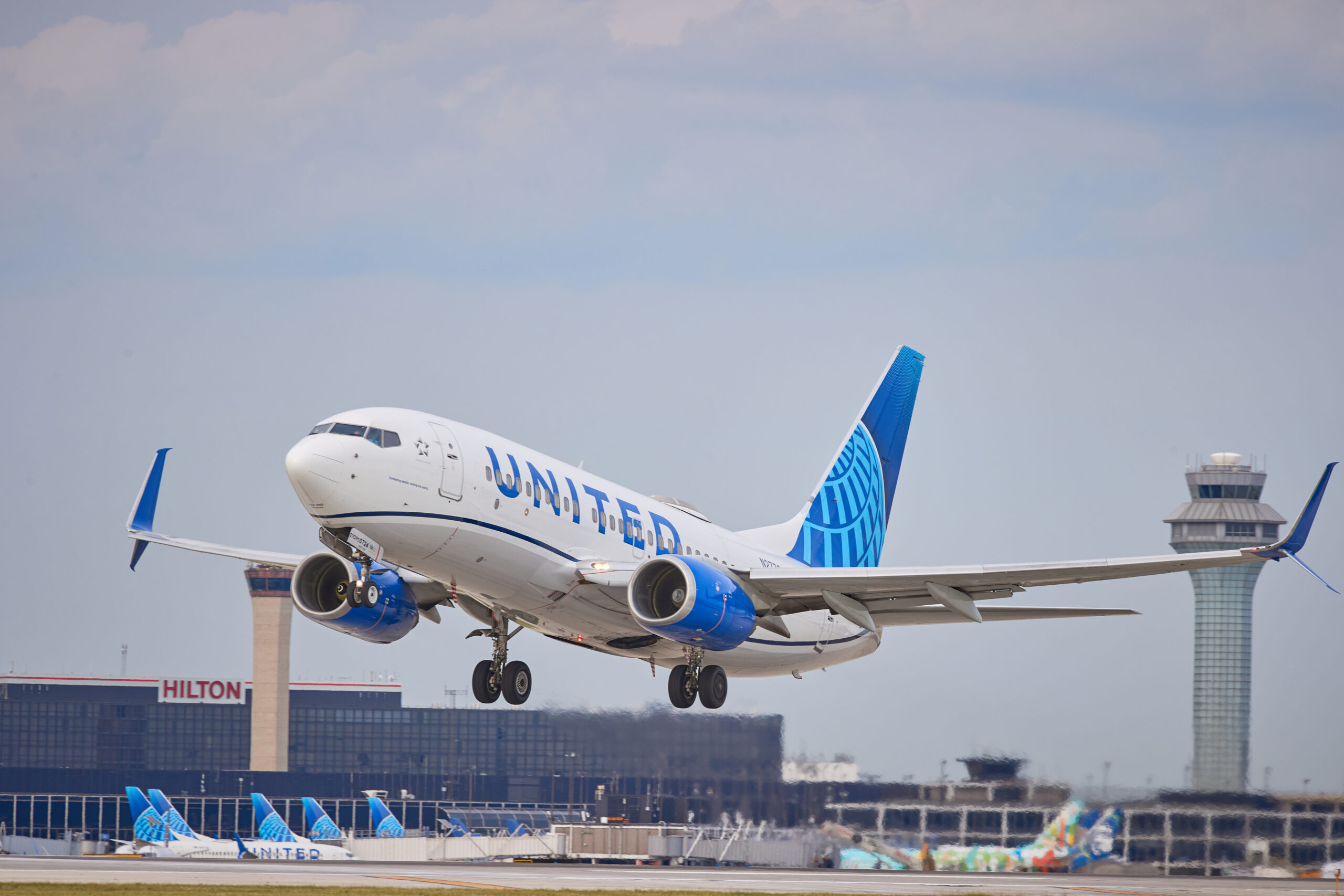
(Featured Image Credit: United Airlines.)
User Generated Content Disclosure: The Bulkhead Seat encourages constructive discussions, comments, and questions. Responses are not provided by or commissioned by any bank advertisers. These responses have not been reviewed, approved, or endorsed by the bank advertiser. It is not the responsibility of the bank advertiser to respond to comments.
Advertiser & Editorial Disclosure: The Bulkhead Seat earns an affiliate commission for anyone approved through the links above This compensation may impact how and where links appear on this site. We work to provide the best publicly available offers to our readers. We frequently update them, but this site does not include all available offers. Opinions, reviews, analyses & recommendations are the author’s alone, and have not been reviewed, endorsed, or approved by any of these entities.