Advertiser & Editorial Disclosure: The Bulkhead Seat earns an affiliate commission for anyone approved through the links below. This compensation may impact how and where links appear on this site. We work to provide the best publicly available offers to our readers. We frequently update them, but this site does not include all available offers. Opinions, reviews, analyses & recommendations are the author’s alone, and have not been reviewed, endorsed, or approved by any of these entities.
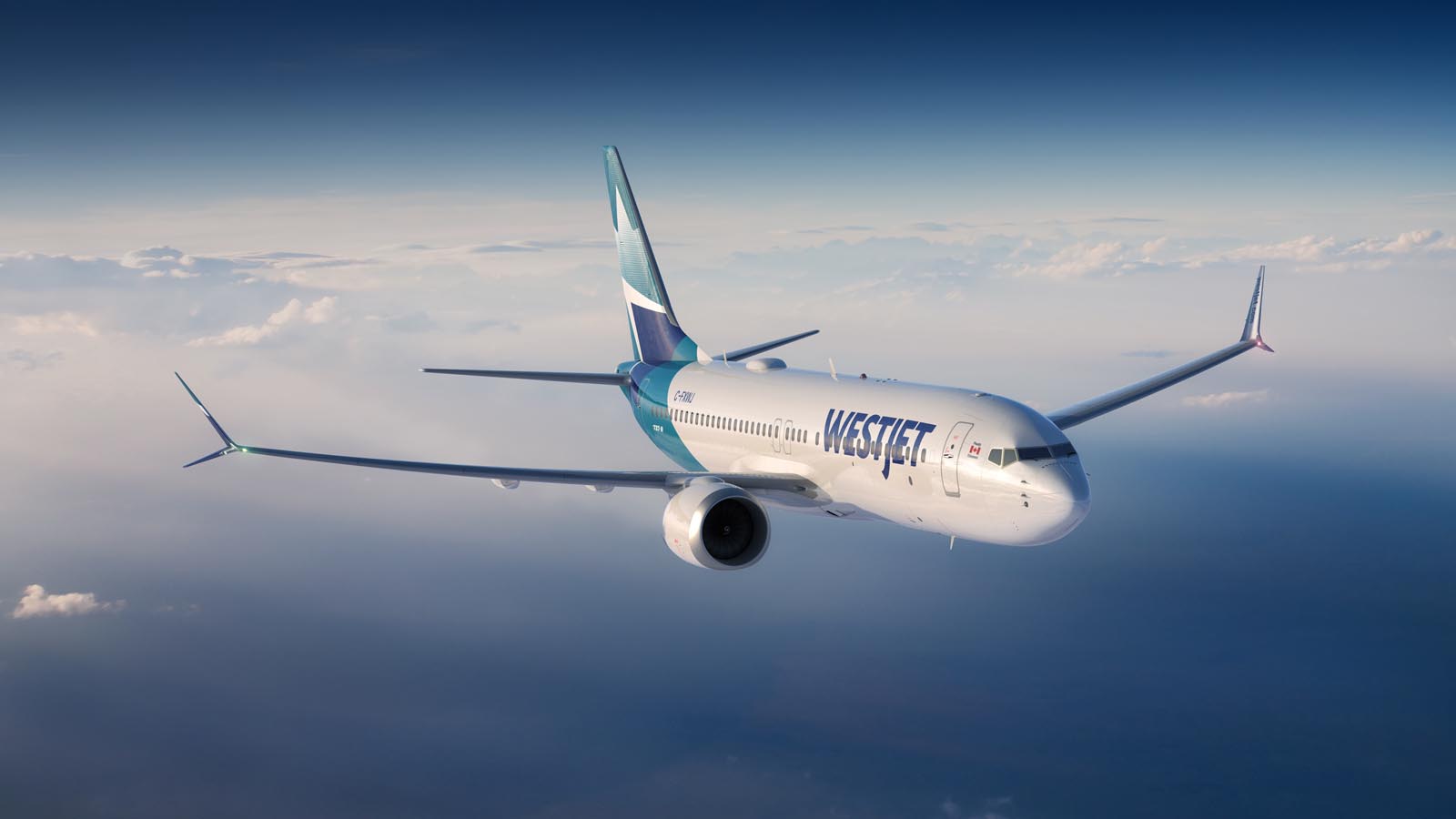
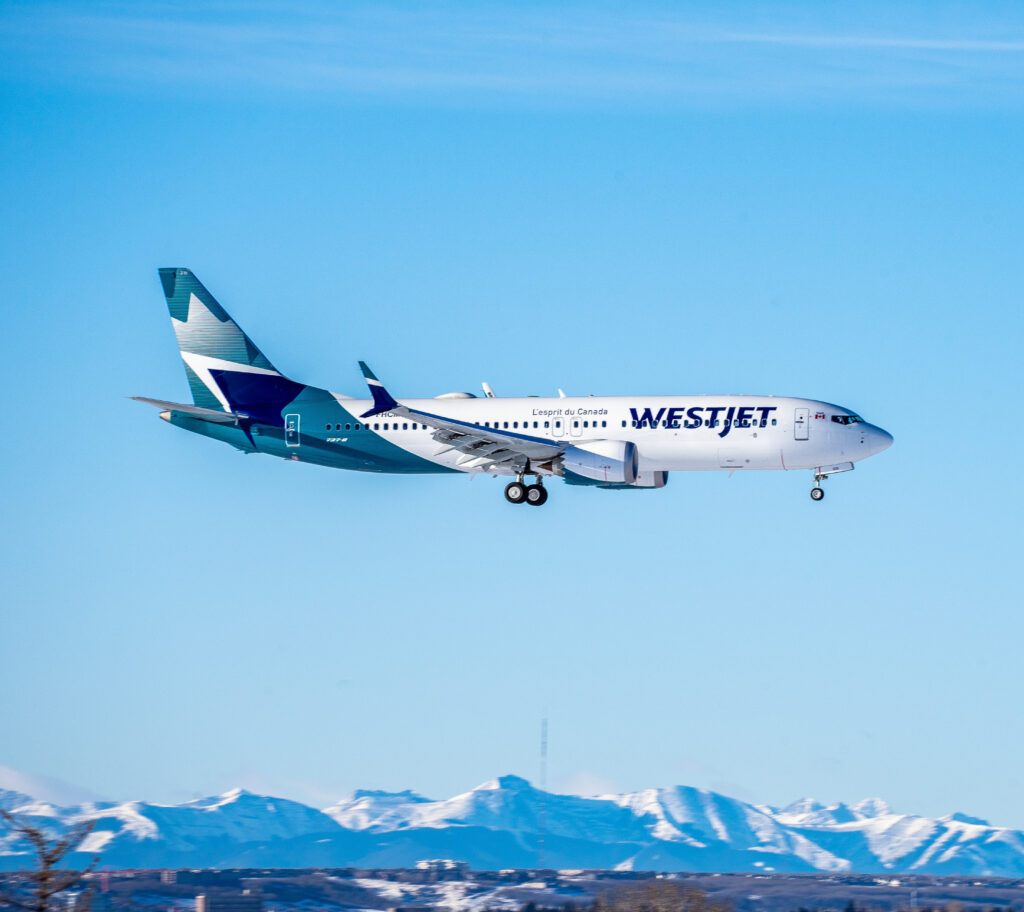
WestJet is continuing its US network reduction by cutting 16 routes and trimming overall seat capacity to the United States by 13% compared to last year. The Calgary-based carrier confirmed it will not resume several seasonal services that previously operated in 2025 and early 2026. Most of the affected routes were summer or winter seasonal flights that had been expected to return but are now permanently removed from the schedule.
The routes that have ended or are being cut include:
- Calgary International Airport (YYC) to Raleigh-Durham International Airport (RDU) (ended October 2025)
- Edmonton International Airport (YEG) to Hartsfield-Jackson Atlanta International Airport (ATL) (ended January 2026)
- Edmonton International Airport (YEG) to Nashville International Airport (BNA) (ended October 2025)
- Edmonton International Airport (YEG) to Orlando International Airport (MCO) (ending April 2026)
- Edmonton International Airport (YEG) to San Francisco International Airport (SFO) (ended October 2025)
- Edmonton International Airport (YEG) to Seattle-Tacoma International Airport (SEA) (ended October 2025)
- Halifax Stanfield International Airport (YHZ) to Orlando International Airport (MCO) (ended October 2025)
- Kelowna International Airport (YLW) to Seattle-Tacoma International Airport (SEA) (ending April 2026)
- Toronto Pearson International Airport (YYZ) to Los Angeles International Airport (LAX) (ended October 2025)
- Vancouver International Airport (YVR) to Boston Logan International Airport (BOS) (ended October 2025)
- Vancouver International Airport (YVR) to Nashville International Airport (BNA) (ended October 2025)
- Vancouver International Airport (YVR) to San Diego International Airport (SAN) (ended October 2025)
- Vancouver International Airport (YVR) to San Francisco International Airport (SFO) (ended October 2025)
- Vancouver International Airport (YVR) to Tampa International Airport (TPA) (ended October 2025)
- Winnipeg Richardson International Airport (YWG) to Hartsfield-Jackson Atlanta International Airport (ATL) (ending April 2026)
- Winnipeg Richardson International Airport (YWG) to Nashville International Airport (BNA) (ended October 2025)
The reductions are concentrated in leisure-heavy markets, particularly Orlando and Las Vegas. Seat capacity to Las Vegas Harry Reid International Airport (LAS) and Orlando International Airport (MCO) is among the most heavily reduced in absolute terms. WestJet is also cutting service to Atlanta, a key hub for its equity partner Delta Air Lines. Capacity to Hartsfield-Jackson Atlanta International Airport (ATL) will fall by 24% year over year. This represents a reduction of more than 54,000 seats. Delta holds a 13% ownership stake in WestJet and the two airlines maintain a commercial partnership that includes reciprocal loyalty and elite benefits.
The pullback comes amid a decline in Canadian travel to the United States. Data from the International Trade Administration shows that during the first 11 months of 2025 air arrivals from Canada fell 12.5% year over year to 7.8 million travelers. Industry observers point to softer leisure demand as a primary driver. Political tensions between the United States and Canada have dampened some Canadians’ appetite for U.S. vacations. Air Canada has reported a slowdown in leisure travel to the United States while noting business demand remains steady. That dynamic aligns with WestJet’s route reductions, which disproportionately affect leisure-oriented destinations rather than major corporate corridors.
Anthony’s Take: With the route map changes, WestJet appears to be recalibrating its transborder strategy to match shifting demand patterns. While the airline continues to operate a substantial US network, the latest cuts signal a more cautious approach to cross-border leisure markets heading into 2026.
(Image Credits: WestJet.)
User Generated Content Disclosure: The Bulkhead Seat encourages constructive discussions, comments, and questions. Responses are not provided by or commissioned by any bank advertisers. These responses have not been reviewed, approved, or endorsed by the bank advertiser. It is not the responsibility of the bank advertiser to respond to comments.
Advertiser & Editorial Disclosure: The Bulkhead Seat earns an affiliate commission for anyone approved through the links above This compensation may impact how and where links appear on this site. We work to provide the best publicly available offers to our readers. We frequently update them, but this site does not include all available offers. Opinions, reviews, analyses & recommendations are the author’s alone, and have not been reviewed, endorsed, or approved by any of these entities.