Advertiser & Editorial Disclosure: The Bulkhead Seat earns an affiliate commission for anyone approved through the links below. This compensation may impact how and where links appear on this site. We work to provide the best publicly available offers to our readers. We frequently update them, but this site does not include all available offers. Opinions, reviews, analyses & recommendations are the author’s alone, and have not been reviewed, endorsed, or approved by any of these entities.
Delta Air Lines is making it increasingly clear that Los Angeles International Airport (LAX) sits at the center of its long-term growth strategy. According to details shared by aviation insider @JonNYC, the airline is preparing a significant expansion of both its international and domestic networks as it seeks to strengthen its position in one of the world’s most competitive aviation markets.
What makes Los Angeles unique is that it serves as a major hub for all three of the nation’s largest network carriers: American Airlines, Delta Air Lines, and United Airlines. No other airport in the United States can claim that distinction. Over the years, each carrier has attempted to establish dominance at the airport, often adding capacity aggressively before eventually scaling back when profitability proved elusive.
Delta appears determined to try again. According to the reported plans, Delta is set to launch service from Los Angeles International Airport (LAX) to Hong Kong International Airport (HKG) this year and is expected to add flights to Manila’s Ninoy Aquino International Airport (MNL) in 2027. The airline is also reportedly considering increasing service to Shanghai Pudong International Airport (PVG) to daily operations, making Auckland Airport (AKL) service year-round, and introducing a new route to Seoul Incheon International Airport (ICN).
The expansion won’t stop internationally. Delta also wants to deepen its domestic network from Los Angeles International Airport (LAX), targeting business-focused and premium leisure markets. One example is new service between Los Angeles International Airport (LAX) and Chicago O’Hare International Airport (ORD), which is already served by American Airlines, Frontier Airlines, and United Airlines.
The strategy reflects more than just a desire to carry additional passengers. In today’s airline industry, loyalty programs and co-branded credit cards have become enormous profit centers. By expanding its footprint in Southern California, Delta has an opportunity to attract more high-value customers and grow its lucrative American Express partnership in one of the country’s largest metropolitan markets.

There is no denying that Delta has invested heavily at Los Angeles International Airport (LAX). The airline now operates arguably the airport’s most impressive terminal complex, anchored by its modern Sky Way facilities and premium Delta One® experience. Operationally and from a customer experience standpoint, Delta has built a strong foundation for growth. There are even plans to now build a second Delta One® Lounge. The bigger question is whether Los Angeles is the best place to deploy those resources.
Historically, airlines have struggled to generate the same level of profitability at coastal hubs as they do at interior fortress hubs. Airports like Hartsfield-Jackson Atlanta International Airport (ATL), Detroit Metropolitan Wayne County Airport (DTW), Charlotte Douglas International Airport (CLT), Dallas Fort Worth International Airport (DFW), Denver International Airport (DEN), and Houston’s George Bush Intercontinental Airport (IAH) offer significant geographic advantages for connecting traffic. They also allow airlines to dominate market share, creating stronger pricing power and more opportunities to sell co-branded credit cards.
Los Angeles International Airport (LAX) offers none of those advantages. It is expensive to operate, highly competitive, and geographically limited as a connecting hub. While the airport generates enormous local demand, airlines must constantly fight for market share against well-established competitors.
That doesn’t mean Delta’s strategy is destined to fail. The carrier has successfully built a premium brand, and the airport remains one of the world’s most important business and entertainment markets. If any airline can gain meaningful share without triggering a destructive capacity war, Delta may be in the strongest position to do so. Still, history suggests caution.
Anthony’s Take: LAX has humbled airlines before, and while Delta’s ambitions are understandable, the ultimate test will be whether growth in one of America’s most glamorous aviation markets can translate into sustainable profits over the long term.
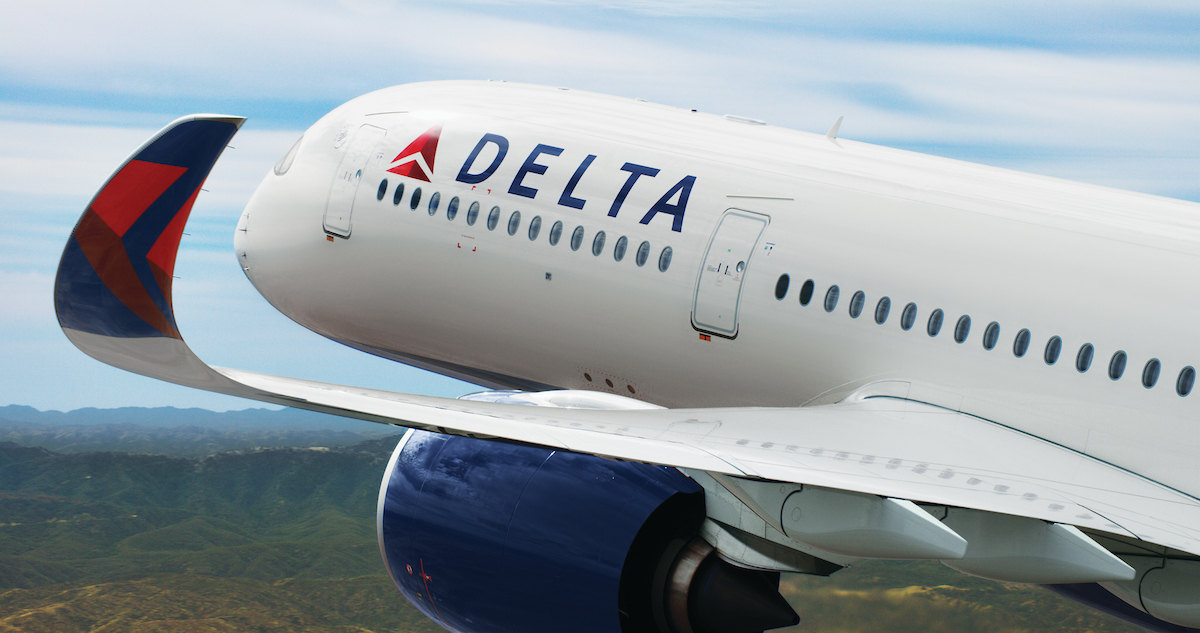
(Image Credits: Delta Air Lines.)
User Generated Content Disclosure: The Bulkhead Seat encourages constructive discussions, comments, and questions. Responses are not provided by or commissioned by any bank advertisers. These responses have not been reviewed, approved, or endorsed by the bank advertiser. It is not the responsibility of the bank advertiser to respond to comments.
Advertiser & Editorial Disclosure: The Bulkhead Seat earns an affiliate commission for anyone approved through the links above This compensation may impact how and where links appear on this site. We work to provide the best publicly available offers to our readers. We frequently update them, but this site does not include all available offers. Opinions, reviews, analyses & recommendations are the author’s alone, and have not been reviewed, endorsed, or approved by any of these entities.