Advertiser & Editorial Disclosure: The Bulkhead Seat earns an affiliate commission for anyone approved through the links below. This compensation may impact how and where links appear on this site. We work to provide the best publicly available offers to our readers. We frequently update them, but this site does not include all available offers. Opinions, reviews, analyses & recommendations are the author’s alone, and have not been reviewed, endorsed, or approved by any of these entities.
Airfares are rising sharply and travelers booking spring and summer trips are feeling the impact. While higher prices during peak travel seasons are nothing new, the current surge is being driven by a powerful combination of fuel costs, strong demand, and global geopolitical tensions.
Jet fuel is one of the largest expenses for airlines, often second only to labor. When fuel prices jump, airlines feel it almost immediately. Recent volatility in oil markets that has been driven in part by geopolitical tensions in the Middle East and disruptions to key shipping routes has pushed fuel prices significantly higher. Jet fuel prices have climbed even faster than crude oil, which puts additional pressure on airline operating costs. Unlike some international carriers, many US airlines do not hedge fuel prices extensively. This means they are more exposed to sudden spikes. When costs rise quickly, airlines often respond by raising fares to protect their margins.
At the same time, travel demand remains robust. Spring break and summer travel seasons are already seeing high booking volumes with many flights filling up well in advance. Just take a look at the crowds in airports these days. Leisure travel continues to rebound strongly and travelers are still prioritizing trips despite higher costs. This gives airlines more pricing power and allows them to raise fares without significantly dampening demand.
Global tensions are also playing a major role. Conflicts affecting key oil-producing regions and major shipping lanes have introduced uncertainty into energy markets. This drives up prices. These disruptions can have a cascading effect on the aviation industry. Higher oil prices lead to higher jet fuel costs, which then feed directly into ticket prices. At the same time, geopolitical instability can impact flight routes, airspace availability, and operational planning.
Airlines are responding in different ways depending on their business models. Low-cost carriers (which rely on very thin margins) are often the most sensitive to cost increases. When fuel prices rise, they may raise fares more aggressively or reduce flight frequencies. Full-service airlines tend to have more flexibility, but they are also increasing prices, particularly on routes with strong demand. Some carriers (like United) are also adjusting schedules to focus on more profitable routes and cut less efficient flying like redeyes, midweek flights, etc.
For travelers, the result is a noticeable jump in ticket prices (sometimes within just a few weeks). In some cases, fares on popular routes have increased dramatically. The combination of higher fuel costs, strong demand, and ongoing geopolitical uncertainty suggests that prices may remain elevated in the near term. While deals can still be found, travelers may need to book earlier, be flexible with dates, or consider alternative destinations to avoid the highest fares.
The current rise in airfare is not being driven by a single factor but by a convergence of pressures across the industry. As long as fuel remains expensive, demand stays high, and global uncertainty persists, flights are likely to remain costly.
Anthony’s Take: For now, the era of ultra-cheap travel appears to be taking a back seat to a more expensive and less predictable, pricing environment. Let’s see what the summer brings. I have a feeling we will see some bargains to Europe as capacity was increased so much and it’s not looking like seats will be filled.
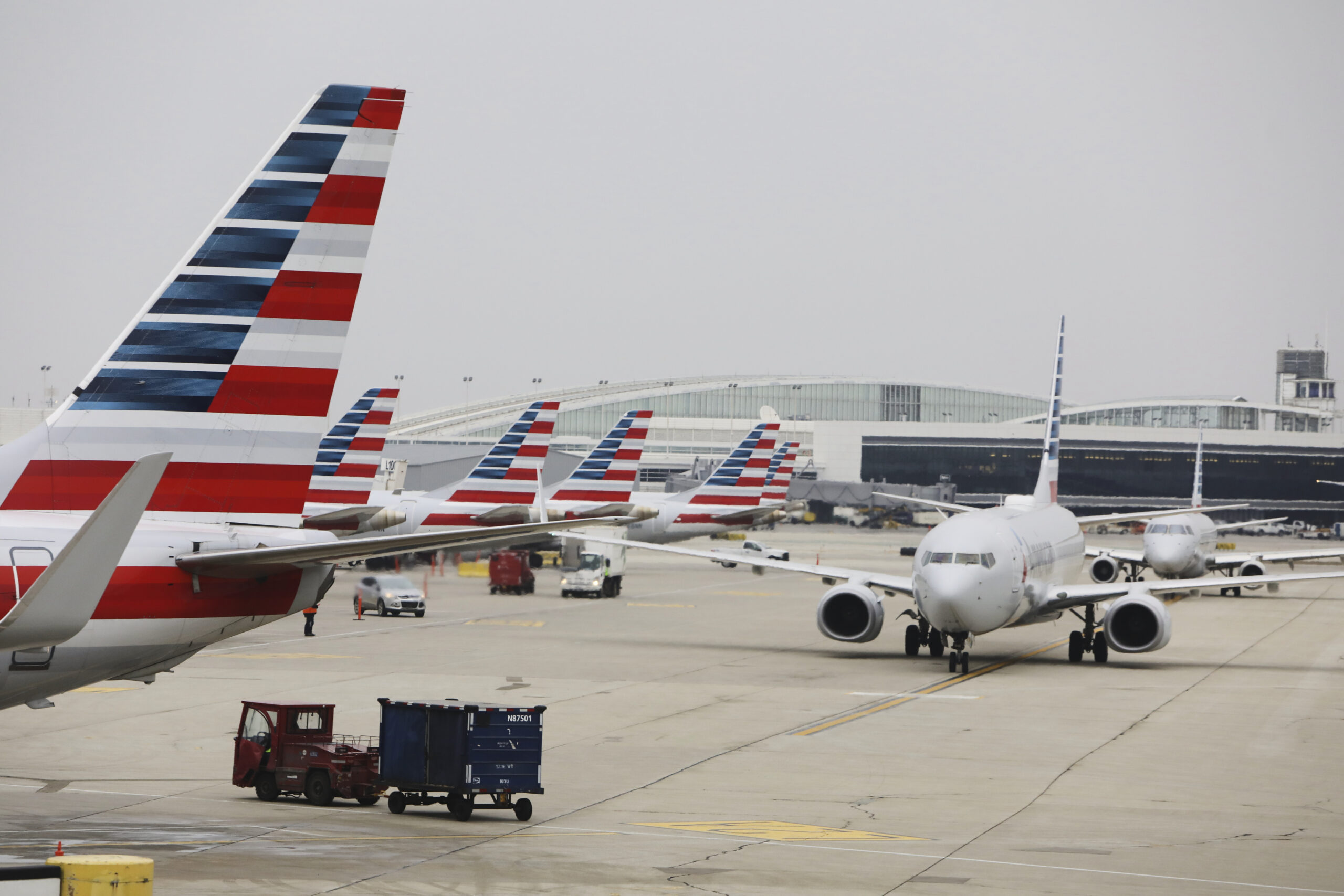
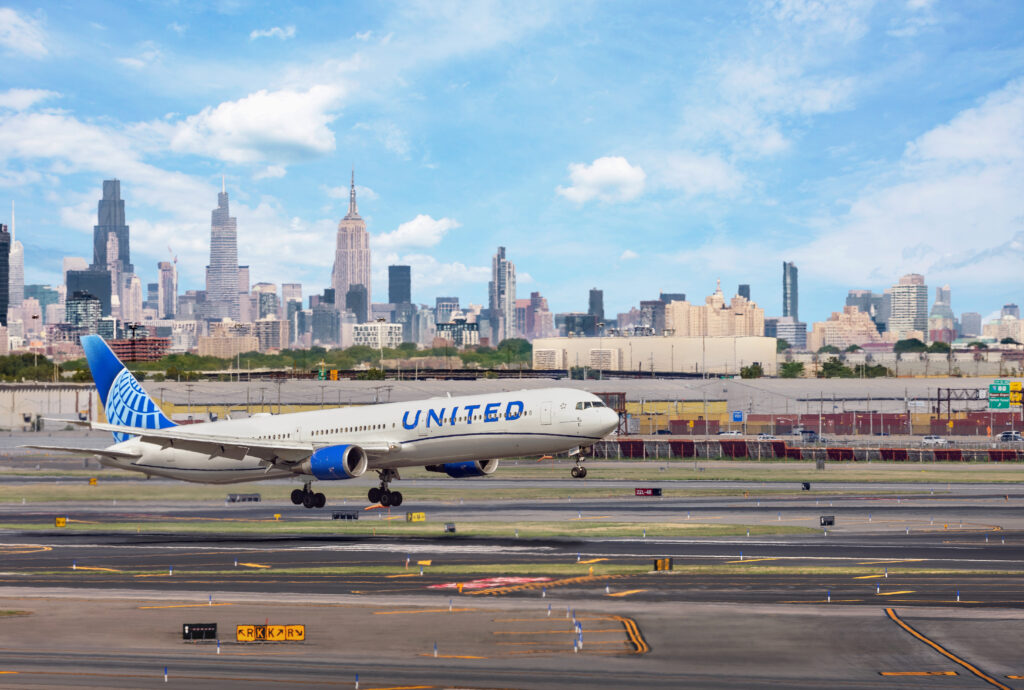
(Image Credits: American Airlines and United Airlines.)
User Generated Content Disclosure: The Bulkhead Seat encourages constructive discussions, comments, and questions. Responses are not provided by or commissioned by any bank advertisers. These responses have not been reviewed, approved, or endorsed by the bank advertiser. It is not the responsibility of the bank advertiser to respond to comments.
Advertiser & Editorial Disclosure: The Bulkhead Seat earns an affiliate commission for anyone approved through the links above This compensation may impact how and where links appear on this site. We work to provide the best publicly available offers to our readers. We frequently update them, but this site does not include all available offers. Opinions, reviews, analyses & recommendations are the author’s alone, and have not been reviewed, endorsed, or approved by any of these entities.