Advertiser & Editorial Disclosure: The Bulkhead Seat earns an affiliate commission for anyone approved through the links below. This compensation may impact how and where links appear on this site. We work to provide the best publicly available offers to our readers. We frequently update them, but this site does not include all available offers. Opinions, reviews, analyses & recommendations are the author’s alone, and have not been reviewed, endorsed, or approved by any of these entities.
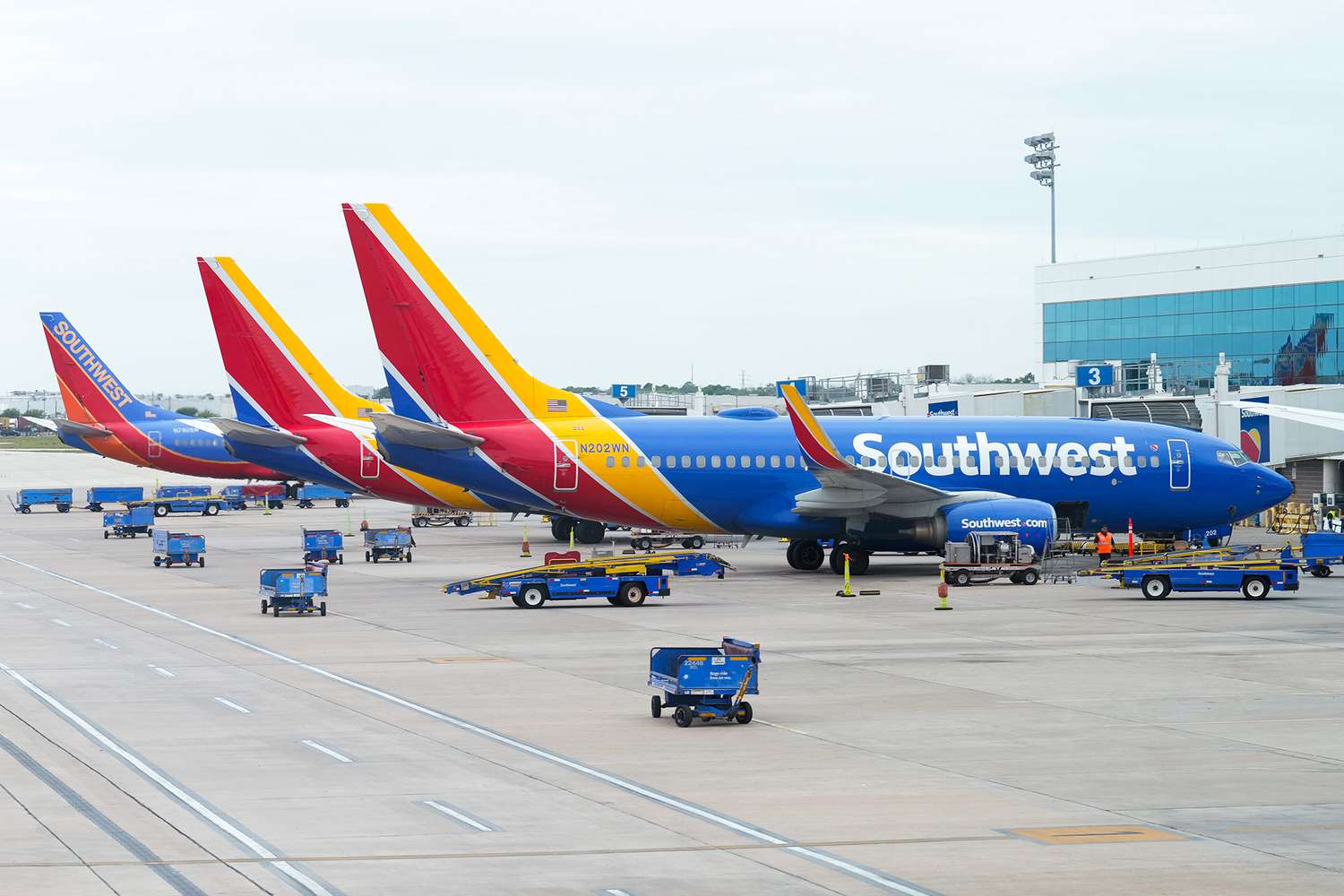
The Wall Street Journal has released its latest ranking of the best and worst US airlines and this year’s results flipped the familiar script. After four consecutive years at number one, Delta Air Lines slipped to third place while Southwest Airlines surged to the top. This is a notable turnaround for a carrier still remaking its operation after its infamous December 2022 meltdown and more recent structural changes (assigned seating starts next week). Even more surprising: Allegiant Air ranked second overall and first among value airlines.
2026 Wall Street Journal Airline Rankings
- Southwest Airlines
- Allegiant Ai
- Delta Air Lines
- Alaska Airlines
- Spirit Airlines
- United Airlines
- JetBlue Airways
- American Airlines and Frontier Airlines (tied for eighth place)
The Wall Street Journal assessment is based upon seven objective metrics weighted equally. These include on-time arrivals, flight cancellations, long delays (over 45 minutes), baggage handling, tarmac delays, involuntary flight bumps, and passenger complaints to the Department of Transportation (DOT). While customer-satisfaction surveys and subjective feedback often dominate airline discourse, this framework is notable for sticking to the operational data that most directly affect passengers’ trips.
Southwest’s improvement stood out across key categories. The Dallas-based carrier posted the fewest DOT complaints and tarmac delays among US airlines and ranked second in both on-time arrivals and cancellation rates. That performance helped push Delta, whose reliability dipped in 2025 amid summer-travel strain and the CrowdStrike outage, out of the top spot for the first time in years.
Allegiant’s second-place finish was also one of the list’s biggest upsets. The airline cancelled just 0.55% of its flights and posted industry-leading results for baggage handling and involuntary bumping (no passengers were bumped). Allegiant did fare poorly in extreme delay metrics, in part because long delays on low-frequency leisure routes can stretch over days, but even with that caveat the carrier emerged as the top-ranked value airline.
Spirit Airlines also climbed from eighth to fifth this year, thanks to improvements in cancellations and punctuality. United landed in sixth place, dragged down by the industry’s worst baggage-handling rate at 7.07 mishandled bags per 1,000. JetBlue followed in seventh, while American tied with Frontier at the bottom. American’s cancellation rate rose from 1.37% to 2.2% year-over-year and the carrier again struggled with extreme delays. Frontier’s performance remained consistent with its reputation for deep-discount, no-frills flying.
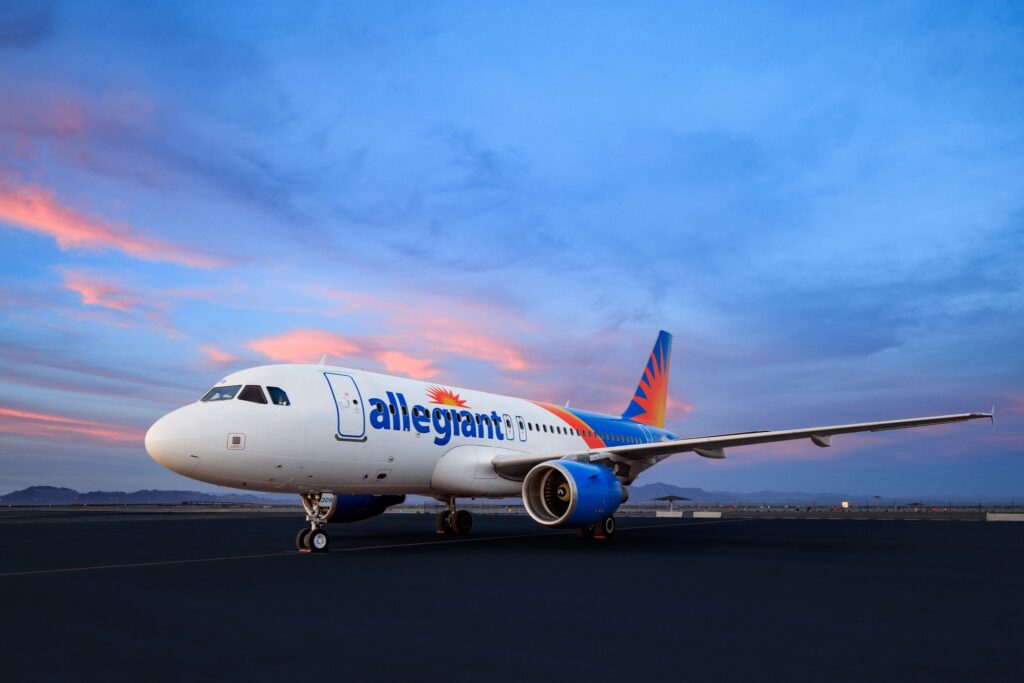
Allegiant’s CEO, Gregory C. Anderson, said:
Being named among the top airlines by The Wall Street Journal is an incredible honor, and it reflects the consistency our team delivers every day. In an industry that often faces its challenges, we’ve always believed that the simplest principles—reliability, convenience, and care—are the foundation of exceptional service. It’s not just about operational efficiency; it’s about delivering on the promise of a seamless, stress-free journey. This recognition underscores the importance of focusing on the details that matter most to our travelers, because at the end of the day, it’s about providing peace of mind. We’re proud that our approach to customer service is resonating, and we remain dedicated to continuously improving, so every flight is a step toward earning our passengers’ trust.”
The rankings continue to reflect deep competitive and cultural divides across the industry: legacy carriers balancing corporate travel fleets and sprawling networks, ultra-low-cost operators focused on simplification and tight scheduling, and hybrid players seeking niches in between. For Southwest, topping the list offers validation that operational reforms and tech investments are starting to land. For Allegiant, it reinforces that reliability and simplicity can deliver big results in leisure markets.
Anthony’s Take: These rankings serve as an annual reminder that price alone rarely tells the full story of an airline experience. I’ve had great crews and flights on Spirit and awful ones as well. The same goes for American, Delta, and United (as well as other carriers around the world). I like the way these are measured and find this list interesting.
(Image Credits: Southwest and Allegiant.)
User Generated Content Disclosure: The Bulkhead Seat encourages constructive discussions, comments, and questions. Responses are not provided by or commissioned by any bank advertisers. These responses have not been reviewed, approved, or endorsed by the bank advertiser. It is not the responsibility of the bank advertiser to respond to comments.
Advertiser & Editorial Disclosure: The Bulkhead Seat earns an affiliate commission for anyone approved through the links above This compensation may impact how and where links appear on this site. We work to provide the best publicly available offers to our readers. We frequently update them, but this site does not include all available offers. Opinions, reviews, analyses & recommendations are the author’s alone, and have not been reviewed, endorsed, or approved by any of these entities.