Advertiser & Editorial Disclosure: The Bulkhead Seat earns an affiliate commission for anyone approved through the links below. This compensation may impact how and where links appear on this site. We work to provide the best publicly available offers to our readers. We frequently update them, but this site does not include all available offers. Opinions, reviews, analyses & recommendations are the author’s alone, and have not been reviewed, endorsed, or approved by any of these entities.
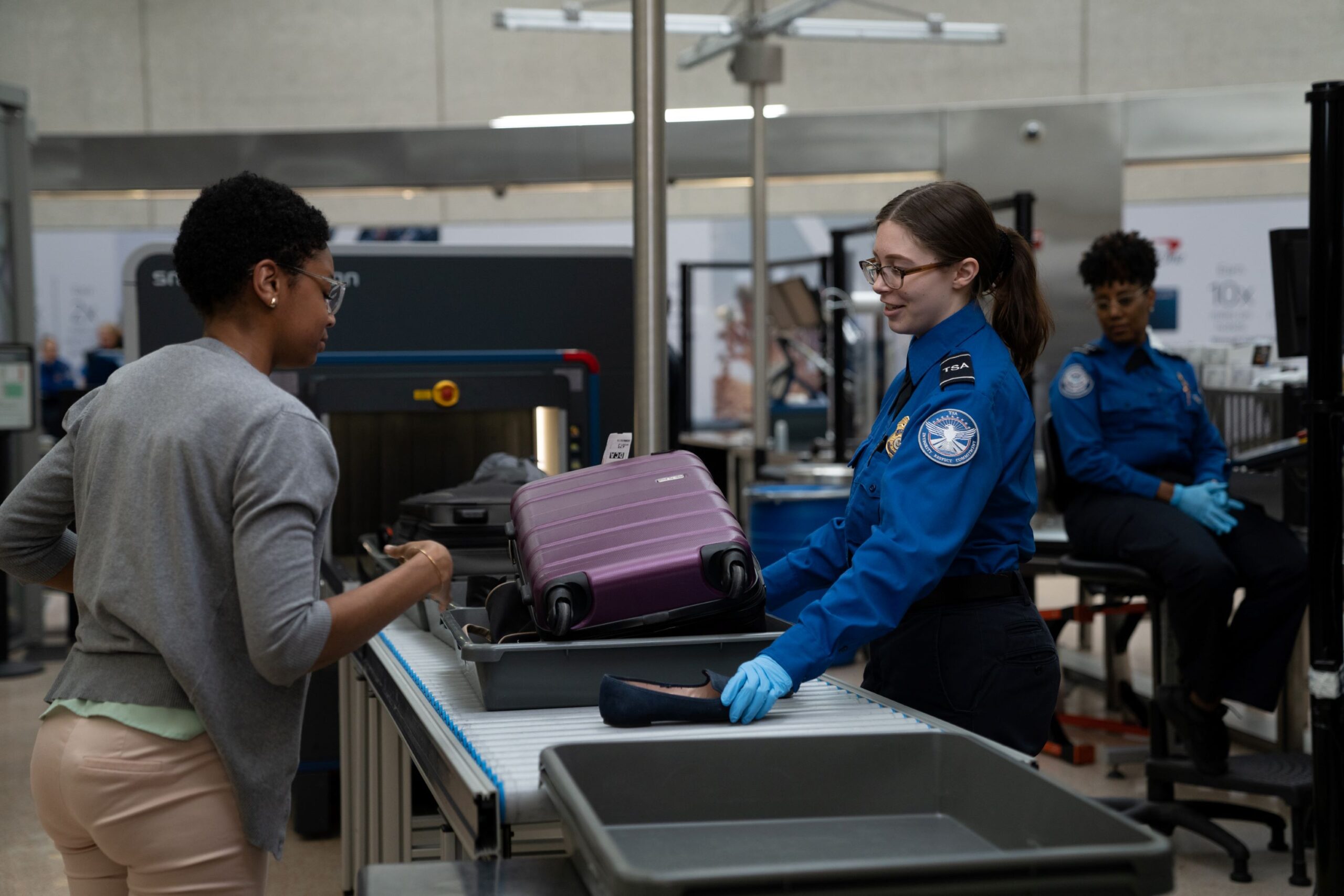
A key US senator called on the Transportation Security Administration (TSA) to immediately reverse its decision to allow passengers to keep their shoes on during screening. Senator Tammy Duckworth is urging the agency to scrap the policy and warning that it may be creating a significant vulnerability in airport security systems.
In a letter sent to TSA leadership, Duckworth argued that the “shoes-on” policy poses a serious risk to the flying public. The Illinois senator, who serves as ranking member of a Senate subcommittee overseeing aviation, cited findings from a Department of Homeland Security (DHS) watchdog investigation that identified weaknesses in current screening capabilities. According to those findings, TSA scanners may not be able to adequately detect threats concealed in footwear, raising concerns that dangerous items could bypass security checkpoints undetected. Duckworth characterized the lack of corrective action as unacceptable and warned that the agency may have failed to meet legal requirements to respond to the identified risks.
The push to reverse the policy follows reporting on a classified inspector general audit that used covert testing to expose vulnerabilities across TSA screening operations. The audit reportedly highlighted the inability of current systems to effectively screen shoes and flagged the issue as urgent. However, the recommendations outlined in the report have not been fully addressed and leave what critics describe as unresolved security gaps. Duckworth’s letter argues that this inaction undermines both safety and oversight (particularly given the time-sensitive nature of the findings).
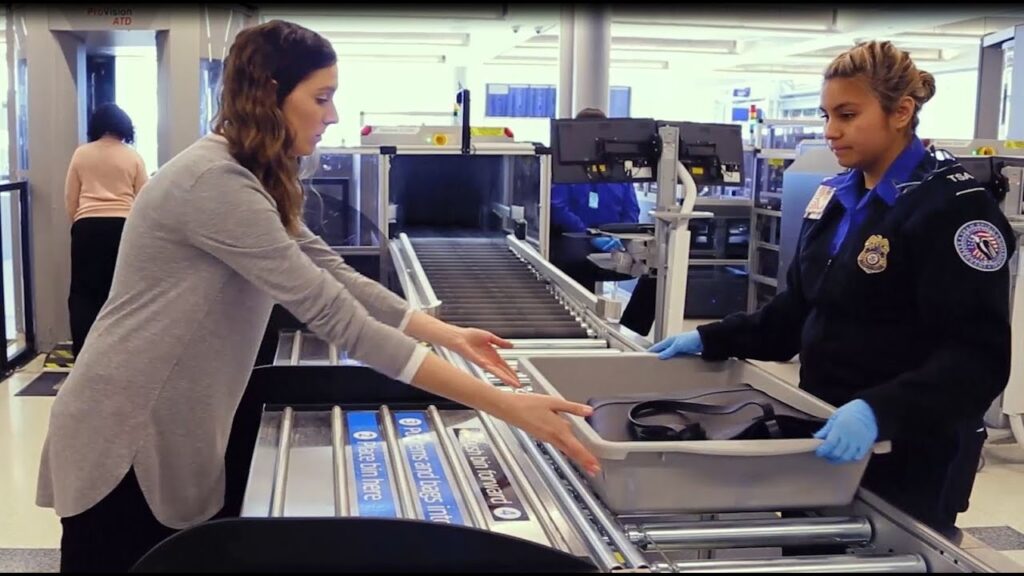
The requirement for passengers to remove their shoes dates back to the early 2000s, following an attempted attack involving explosives hidden in footwear aboard a transatlantic flight. The Department of Homeland Security lifted the rule in July 2025, introducing the “shoes-on” policy as part of an effort to streamline the screening process and improve the passenger experience. Officials at the time said advancements in screening technology and layered security measures would maintain safety standards while reducing checkpoint delays.
Critics now argue that the policy change may have prioritized convenience over security and reintroduces a known vulnerability without sufficient technological safeguards in place. Duckworth’s letter also questions whether the decision was made without adequate consultation or planning, and raises concerns about compliance with federal oversight requirements. The TSA has not yet publicly indicated whether it will revisit the policy. However, the escalating scrutiny from lawmakers and ongoing concerns about airport security effectiveness could force a reassessment.
Anthony’s Take: As travel demand continues to surge and airport screening systems remain under pressure, the debate highlights the delicate balance between efficiency and security in modern air travel. I don’t think we’ll see this reverse anytime soon.
(Image Credits: Transportation Security Administration.)
User Generated Content Disclosure: The Bulkhead Seat encourages constructive discussions, comments, and questions. Responses are not provided by or commissioned by any bank advertisers. These responses have not been reviewed, approved, or endorsed by the bank advertiser. It is not the responsibility of the bank advertiser to respond to comments.
Advertiser & Editorial Disclosure: The Bulkhead Seat earns an affiliate commission for anyone approved through the links above This compensation may impact how and where links appear on this site. We work to provide the best publicly available offers to our readers. We frequently update them, but this site does not include all available offers. Opinions, reviews, analyses & recommendations are the author’s alone, and have not been reviewed, endorsed, or approved by any of these entities.