Advertiser & Editorial Disclosure: The Bulkhead Seat earns an affiliate commission for anyone approved through the links below. This compensation may impact how and where links appear on this site. We work to provide the best publicly available offers to our readers. We frequently update them, but this site does not include all available offers. Opinions, reviews, analyses & recommendations are the author’s alone, and have not been reviewed, endorsed, or approved by any of these entities.
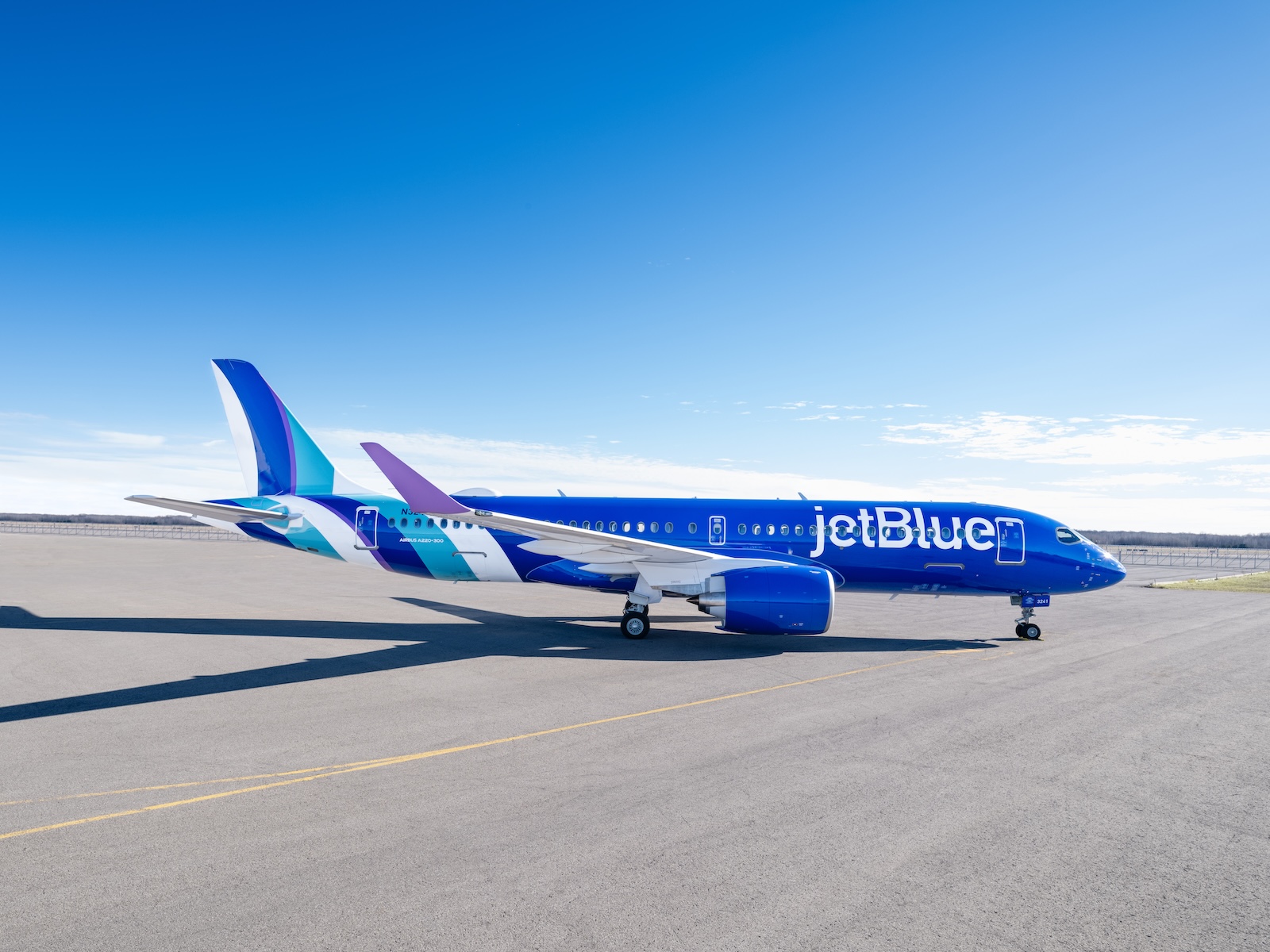
JetBlue Airways is once again weighing its strategic future, reportedly exploring potential merger or sale scenarios involving several major U.S. airlines as it looks to strengthen its position in an increasingly competitive market. According to reports, the airline has hired advisors to evaluate possible combinations with Alaska Airlines, Southwest Airlines, and United Airlines while also assessing how such deals might navigate regulatory scrutiny in Washington.
JetBlue’s renewed interest in mergers follows the collapse of its planned $3.8 billion acquisition of Spirit Airlines in 2024, which was blocked on antitrust grounds. Since then, the airline has been working to stabilize its business under its JetForward turnaround strategy, but continues to face pressure from both premium and ultra-low-cost competitors. While JetBlue built its brand around customer-friendly perks like free Wi-Fi, it has struggled to keep pace with higher-margin carriers such as Delta and United while also losing price-sensitive travelers to budget airlines.
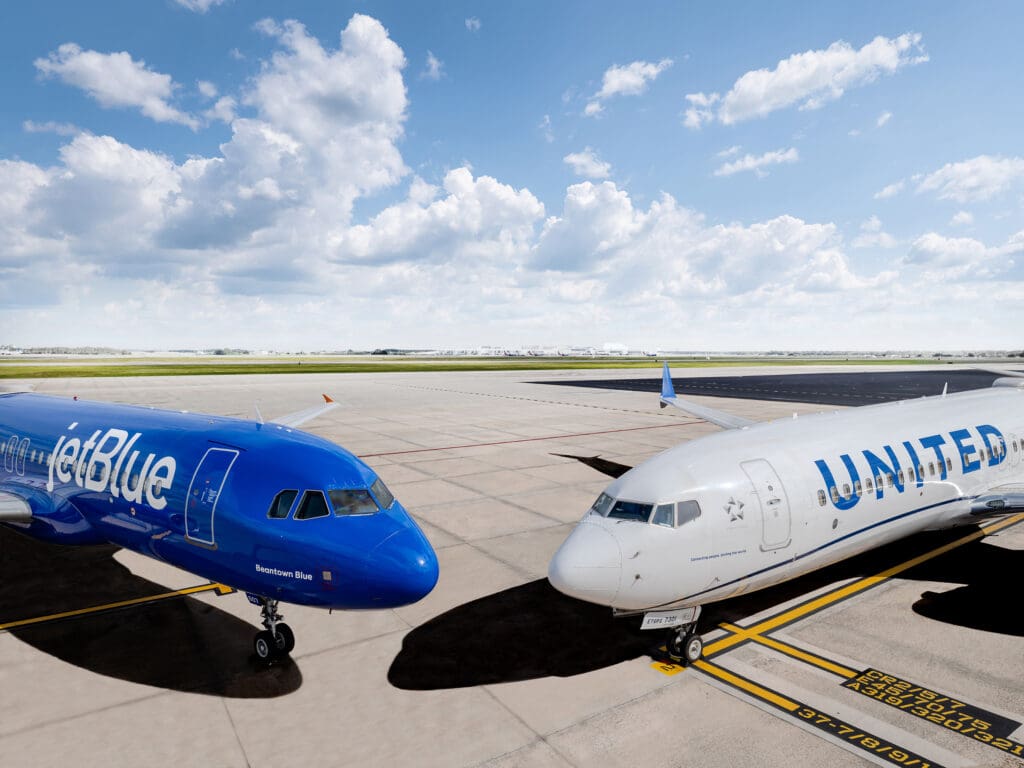
Each of the rumored merger partners presents a different strategic path and different regulatory challenges. A tie-up with United Airlines could create a powerful network carrier with significant presence in key markets, but would likely face intense antitrust scrutiny given the combined scale. A merger with Southwest Airlines would be equally complex as it combines two distinct business models and cultures while still raising competition concerns. Alaska Airlines may represent a more complementary fit, particularly given its strong West Coast presence, though any deal involving major carriers would still face regulatory hurdles.
Even in a political environment that may be more open to consolidation, any merger involving major US airlines would face close examination from regulators. The failure of the Spirit deal underscored the challenges of gaining approval, particularly when consolidation could reduce competition in key markets. JetBlue is reportedly modeling how different scenarios would be viewed in Washington, highlighting how central regulatory risk remains to any potential transaction.
JetBlue’s financial performance has added urgency to its strategic review. The airline’s stock has declined significantly over the past year, which reflects ongoing challenges in achieving consistent profitability. At the same time, potential partners face their own constraints. For example, a deal with United could complicate its efforts to strengthen its balance sheet and achieve an investment-grade credit rating.
Despite the reports, JetBlue’s exploration of merger options remains in its early stages and the airline could ultimately decide not to pursue a transaction. There is no confirmation that formal talks have taken place or that any of the potential partners are actively engaged.
JetBlue’s review comes at a time when the US airline industry is increasingly defined by scale, network strength, and premium offerings. Whether through a merger or continued independent execution of its JetForward strategy, the airline faces a critical decision about how to compete in a market that continues to consolidate around a handful of dominant players.
Anthony’s Take: It was only a matter of time before this happened and my money is on United. The outcome could reshape not only JetBlue’s future, but also the competitive landscape of US aviation.
(Image Credits: JetBlue and United Airlines.)
User Generated Content Disclosure: The Bulkhead Seat encourages constructive discussions, comments, and questions. Responses are not provided by or commissioned by any bank advertisers. These responses have not been reviewed, approved, or endorsed by the bank advertiser. It is not the responsibility of the bank advertiser to respond to comments.
Advertiser & Editorial Disclosure: The Bulkhead Seat earns an affiliate commission for anyone approved through the links above This compensation may impact how and where links appear on this site. We work to provide the best publicly available offers to our readers. We frequently update them, but this site does not include all available offers. Opinions, reviews, analyses & recommendations are the author’s alone, and have not been reviewed, endorsed, or approved by any of these entities.