Advertiser & Editorial Disclosure: The Bulkhead Seat earns an affiliate commission for anyone approved through the links below. This compensation may impact how and where links appear on this site. We work to provide the best publicly available offers to our readers. We frequently update them, but this site does not include all available offers. Opinions, reviews, analyses & recommendations are the author’s alone, and have not been reviewed, endorsed, or approved by any of these entities.
Air Canada is preparing for a leadership transition as President and Chief Executive Officer Michael Rousseau announced plans to retire by the end of the third quarter of 2026 (closing a nearly two-decade tenure with the airline). Rousseau will remain in his role and continue serving on the company’s Board of Directors until his departure.
The airline’s Board emphasized that succession planning has been a long-term priority. Over the past two years, Air Canada has been developing internal talent through a structured executive program aimed at preparing high-potential leaders for future roles. In parallel, the company launched a global search in January 2026 to identify external candidates with the experience and leadership skills needed to take the helm of Canada’s flagship carrier. No successor has been named so far, but the Board is expected to evaluate candidates based on a range of performance criteria.
Among those criteria, the ability to communicate in French is expected to play a key role in the selection process. Air Canada’s headquarters in Montréal places added cultural and political importance on bilingual leadership. Rousseau’s tenure has periodically drawn criticism in Quebec over his limited French proficiency, an issue that resurfaced recently and attracted national attention. The renewed focus on language capability signals that the Board is likely aiming to align future leadership more closely with the airline’s linguistic and regional identity.
The retirement announcement comes at a sensitive time for the airline, following a recent regional incident involving a Jazz Aviation-operated flight at New York LaGuardia Airport (LGA). While not directly tied to Rousseau’s departure, the broader spotlight on leadership and accountability has added context to the transition. Many called out his language skills here as well when updates were not provided in French.
During Rousseau’s leadership, Air Canada strengthened its position as a leading global airline while navigating industry challenges ranging from economic volatility to operational disruptions. His tenure saw continued international expansion and a focus on modernizing the airline’s operations and customer experience.
With Rousseau set to step down in 2026, Air Canada now faces a pivotal moment as it searches for its next leader. The decision will shape the airline’s strategic direction, cultural identity, and competitive positioning in the years ahead.
Anthony’s Take: The coming months are expected to bring further clarity as the Board narrows its list of candidates and prepares for one of the most significant leadership changes in the airline’s recent history.
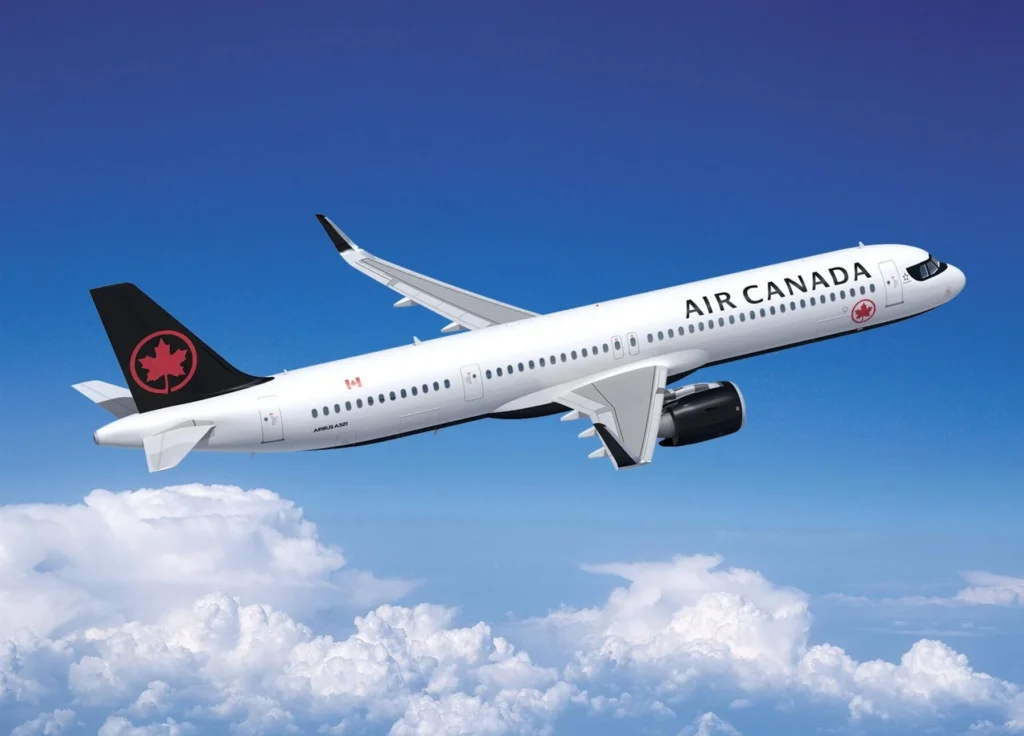
(Image Credits: Air Canada.)
User Generated Content Disclosure: The Bulkhead Seat encourages constructive discussions, comments, and questions. Responses are not provided by or commissioned by any bank advertisers. These responses have not been reviewed, approved, or endorsed by the bank advertiser. It is not the responsibility of the bank advertiser to respond to comments.
Advertiser & Editorial Disclosure: The Bulkhead Seat earns an affiliate commission for anyone approved through the links above This compensation may impact how and where links appear on this site. We work to provide the best publicly available offers to our readers. We frequently update them, but this site does not include all available offers. Opinions, reviews, analyses & recommendations are the author’s alone, and have not been reviewed, endorsed, or approved by any of these entities.