Advertiser & Editorial Disclosure: The Bulkhead Seat earns an affiliate commission for anyone approved through the links below. This compensation may impact how and where links appear on this site. We work to provide the best publicly available offers to our readers. We frequently update them, but this site does not include all available offers. Opinions, reviews, analyses & recommendations are the author’s alone, and have not been reviewed, endorsed, or approved by any of these entities.
As I have written about before, a growing turf war between American Airlines and United Airlines at Chicago O’Hare International Airport (ORD) is set to collide with federal regulators. The Federal Aviation Administration (FAA) is preparing to impose flight reductions for the busy summer season, which might put a crimp in both airlines’ plans. The showdown comes after both carriers aggressively expanded schedules at the airport in a bid to strengthen their competitive positions. The result is a surge in planned operations that the FAA says the airport cannot sustainably handle.
Airlines have published schedules showing approximately 3,080 peak daily takeoffs and landings at Chicago O’Hare International Airport (ORD) this summer. This is up from 2,680 during the same period last year. The FAA believes around 2,800 daily operations are manageable, which implies potential cuts of roughly 280 operations per peak day (about 140 takeoffs and 140 landings).
The FAA will initiate a formal scheduling reduction process and plans to issue an operating limits order covering March 29th through October 25th. Meetings will begin with opening remarks on March 3rd at 3:00 PM. This will be followed by formal schedule reduction discussions on March 4th at 9:00 AM. The process is open to all scheduled carriers serving the airport as well as the Chicago Department of Aviation.
After reviewing carrier proposals, the FAA will publish a final order in the Federal Register outlining airline-specific limitations. The restrictions will apply to US carriers and will not affect foreign airline schedules. Because reductions are targeted by 30-minute windows rather than across-the-board percentage cuts, the impact will likely vary by carrier and route type. High-frequency short-haul regional jet flights are typically easier to trim since each operation counts equally as a takeoff and landing regardless of aircraft size.
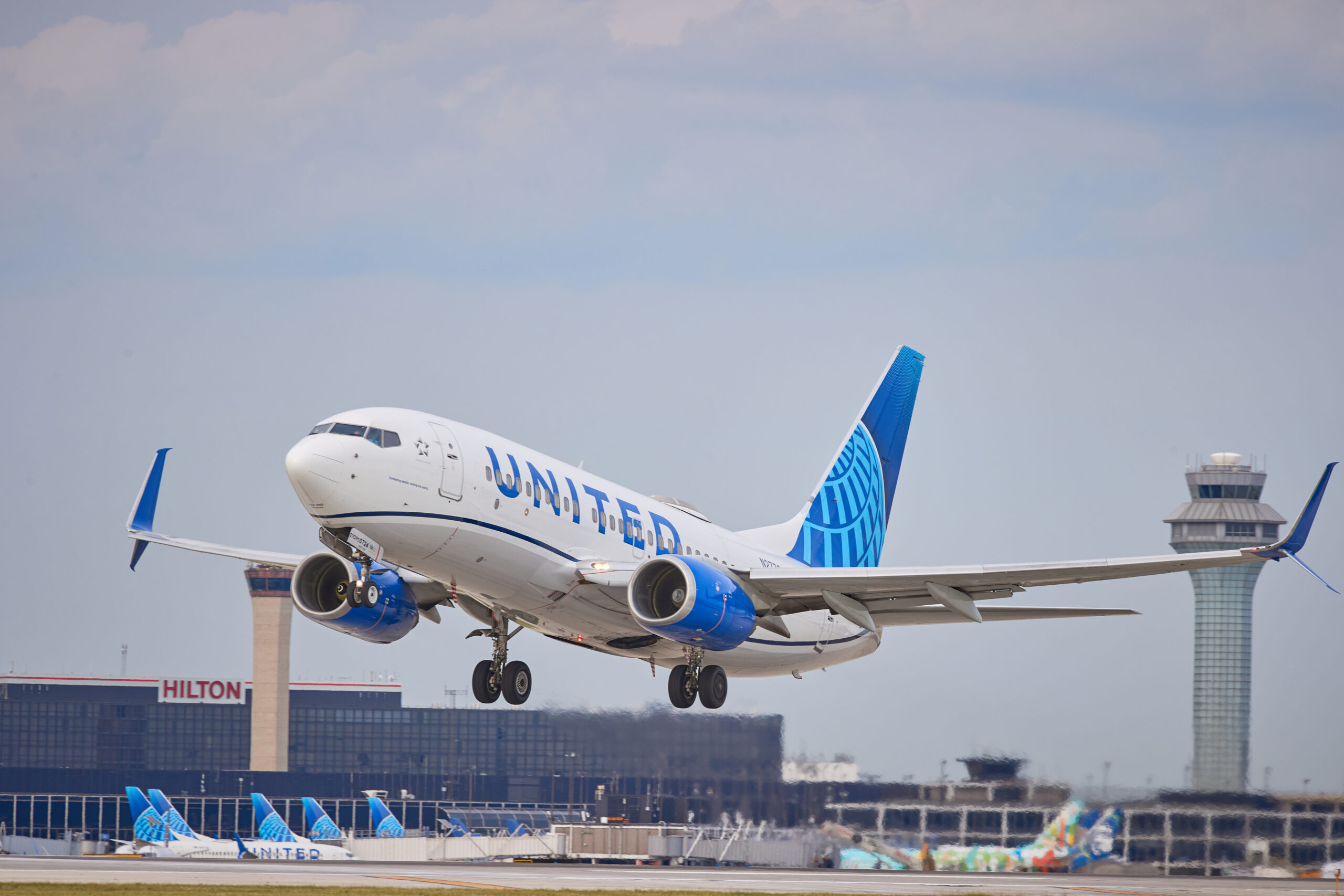
United is planning its largest Chicago schedule ever with service to 222 destinations (175 domestic and 47 international) and up to 750 daily departures. That represents roughly 25% more flying than in 2019. Many of United’s recent additions include regional jet service to 17 destinations, alongside new Boeing 737 routes to four markets. Those newer, high-frequency routes could face scrutiny during the reduction process.
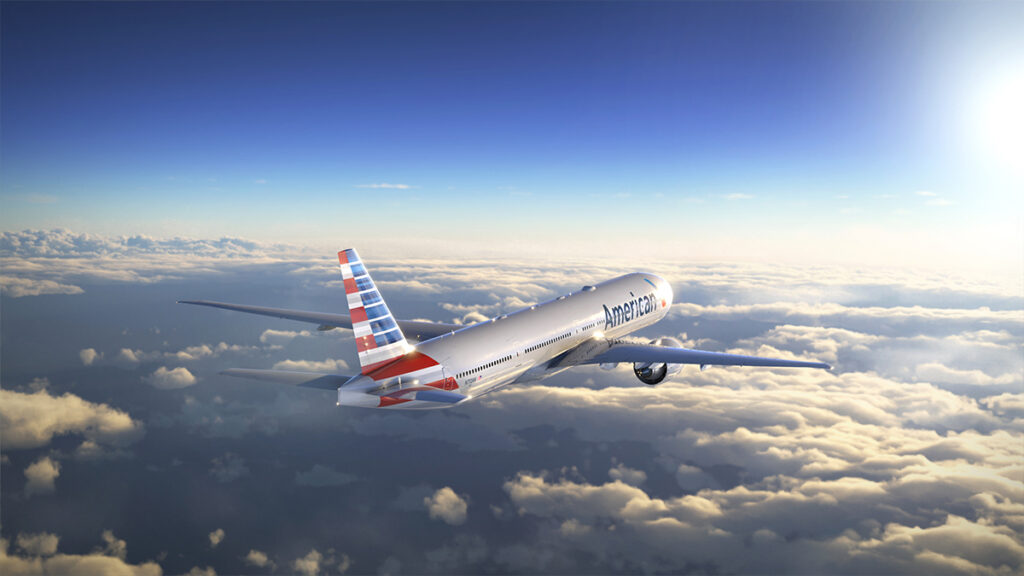
American Airlines is targeting more than 180 destinations from Chicago (totaling just over 500 daily flights). That places the airline roughly back to pre-pandemic levels. American previously had gates taken away at the airport after it did not fully rebuild its post-pandemic schedule as quickly as required under lease agreements. The airline has since sought to protect its footprint and even acquired additional gates from Spirit Airlines.
Adjustments will focus on peak congestion periods and potentially reshape specific banks of flights. The capacity surge has already increased seat supply and placed downward pressure on fares. With both carriers fighting to maintain dominance at one of the nation’s most competitive hubs, neither appears eager to pull back voluntarily. The FAA’s intervention effectively forces discipline where market competition has not.
Anthony’s Take: Chicago is bracing for federally mandated schedule limits and the outcome of the March meetings will determine how much each airline must retreat and the next phase of this ongoing battle.
(Image Credits: United Airlines and American Airlines.)
User Generated Content Disclosure: The Bulkhead Seat encourages constructive discussions, comments, and questions. Responses are not provided by or commissioned by any bank advertisers. These responses have not been reviewed, approved, or endorsed by the bank advertiser. It is not the responsibility of the bank advertiser to respond to comments.
Advertiser & Editorial Disclosure: The Bulkhead Seat earns an affiliate commission for anyone approved through the links above This compensation may impact how and where links appear on this site. We work to provide the best publicly available offers to our readers. We frequently update them, but this site does not include all available offers. Opinions, reviews, analyses & recommendations are the author’s alone, and have not been reviewed, endorsed, or approved by any of these entities.