Advertiser & Editorial Disclosure: The Bulkhead Seat earns an affiliate commission for anyone approved through the links below. This compensation may impact how and where links appear on this site. We work to provide the best publicly available offers to our readers. We frequently update them, but this site does not include all available offers. Opinions, reviews, analyses & recommendations are the author’s alone, and have not been reviewed, endorsed, or approved by any of these entities.
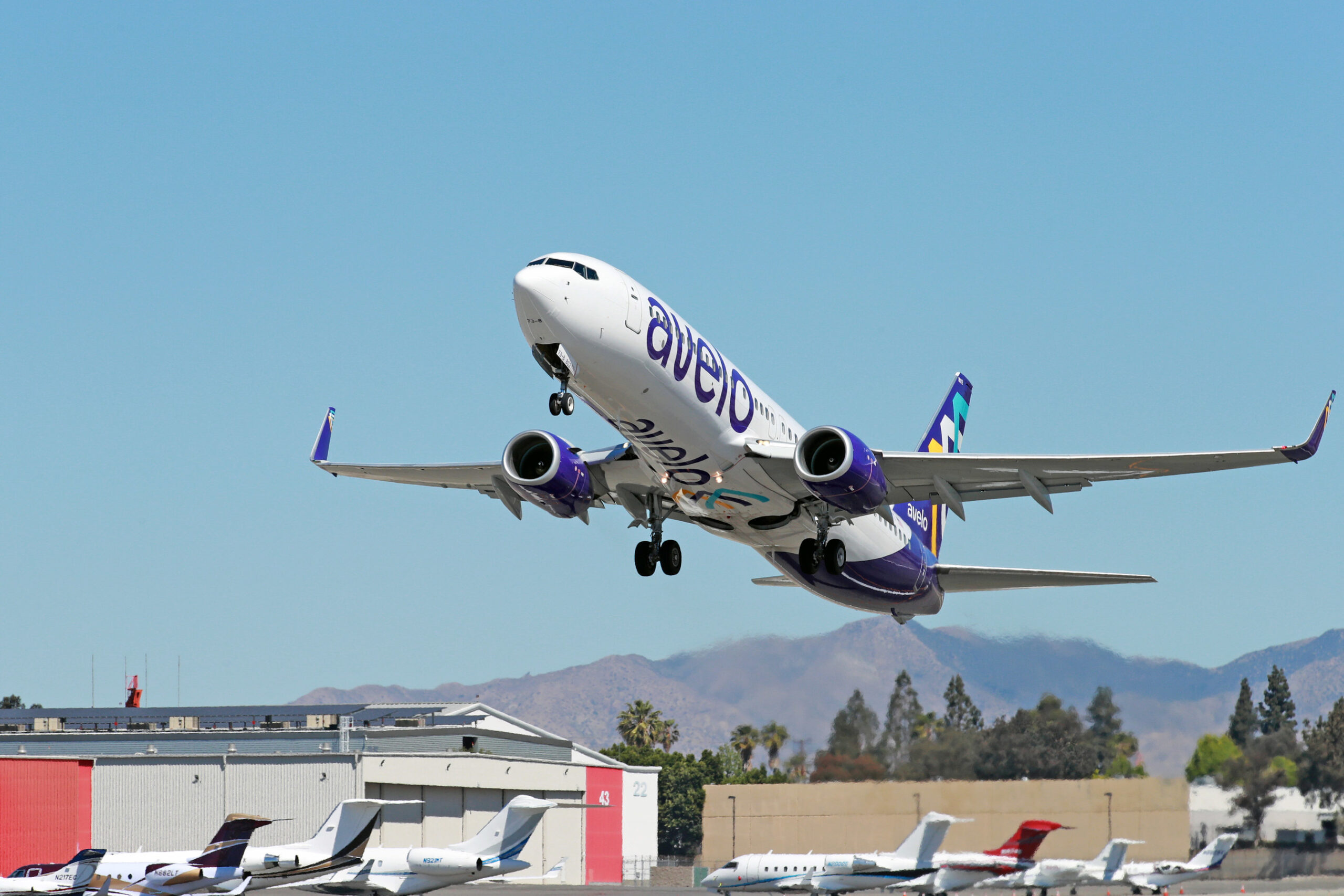
Avelo Airlines has just completed a recapitalization to significantly strengthens its balance sheet and give the carrier one of the strongest cash positions in the US airline industry relative to its size. The improved financial footing is expected to support execution of the airline’s long-term strategy and prepare it for its next phase of growth, which includes streamlining its bases and fleet.
As part of that strategy, Avelo is adjusting its network around four existing bases: Concord-Padgett Regional Airport (USA), Tweed-New Haven Regional Airport (HVN), Lakeland Linder International Airport (LAL), and Wilmington Airport (ILG). The airline also plans to open a new base in McKinney National Airport (TKI) later this year.
Avelo will close bases in Mesa Gateway Airport (AZA), Raleigh-Durham International Airport (RDU), and Wilmington International Airport (ILM). Despite the base closures, the airline will continue serving Raleigh-Durham International Airport (RDU) with flights to/from Tweed-New Haven Regional Airport (HVN) and Frederick Douglass Greater Rochester International Airport (ROC). Wilmington International Airport (ILM) will also remain in Avelo’s network with service to/from Baltimore/Washington International Thurgood Marshall Airport (BWI), Nashville International Airport (BNA), Tweed-New Haven Regional Airport (HVN), and Tampa International Airport (TPA).
These network adjustments will be accompanied with flight schedule changes that affect a number of customers’ itineraries. Avelo is notifying impacted passengers directly through email and text messages.
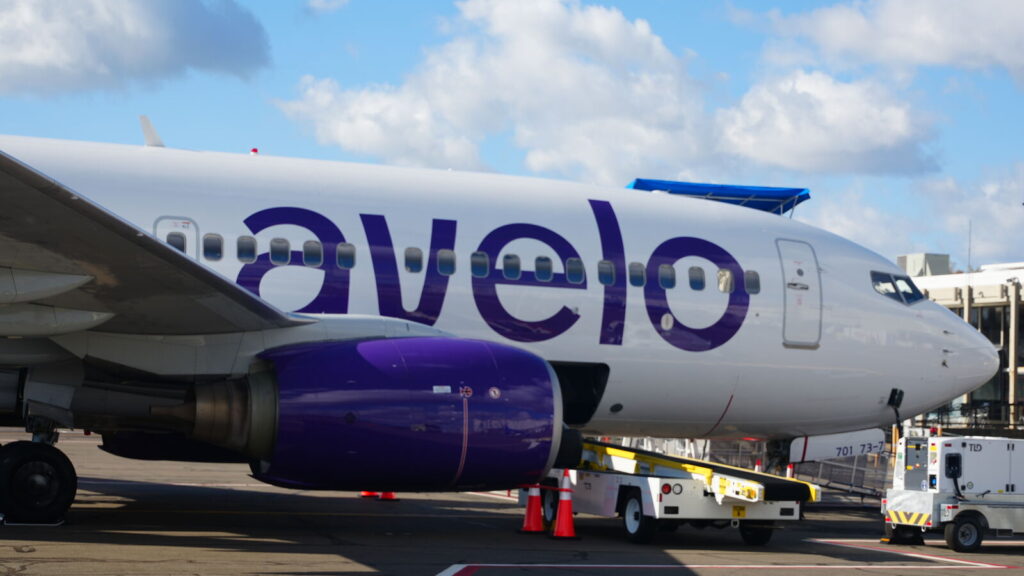
In additiion to changes at the airports, Avelo is also simplifying its fleet by removing six Boeing 737-700 aircraft to leave the airline primarily operating the more fuel-efficient Boeing 737-800. The move is intended to improve operational efficiency and reduce costs as the carrier focuses on scaling its most productive markets.
User Generated Content Disclosure: The Bulkhead Seat encourages constructive discussions, comments, and questions. Responses are not provided by or commissioned by any bank advertisers. These responses have not been reviewed, approved, or endorsed by the bank advertiser. It is not the responsibility of the bank advertiser to respond to comments.
Advertiser & Editorial Disclosure: The Bulkhead Seat earns an affiliate commission for anyone approved through the links above This compensation may impact how and where links appear on this site. We work to provide the best publicly available offers to our readers. We frequently update them, but this site does not include all available offers. Opinions, reviews, analyses & recommendations are the author’s alone, and have not been reviewed, endorsed, or approved by any of these entities.