Advertiser & Editorial Disclosure: The Bulkhead Seat earns an affiliate commission for anyone approved through the links below. This compensation may impact how and where links appear on this site. We work to provide the best publicly available offers to our readers. We frequently update them, but this site does not include all available offers. Opinions, reviews, analyses & recommendations are the author’s alone, and have not been reviewed, endorsed, or approved by any of these entities.
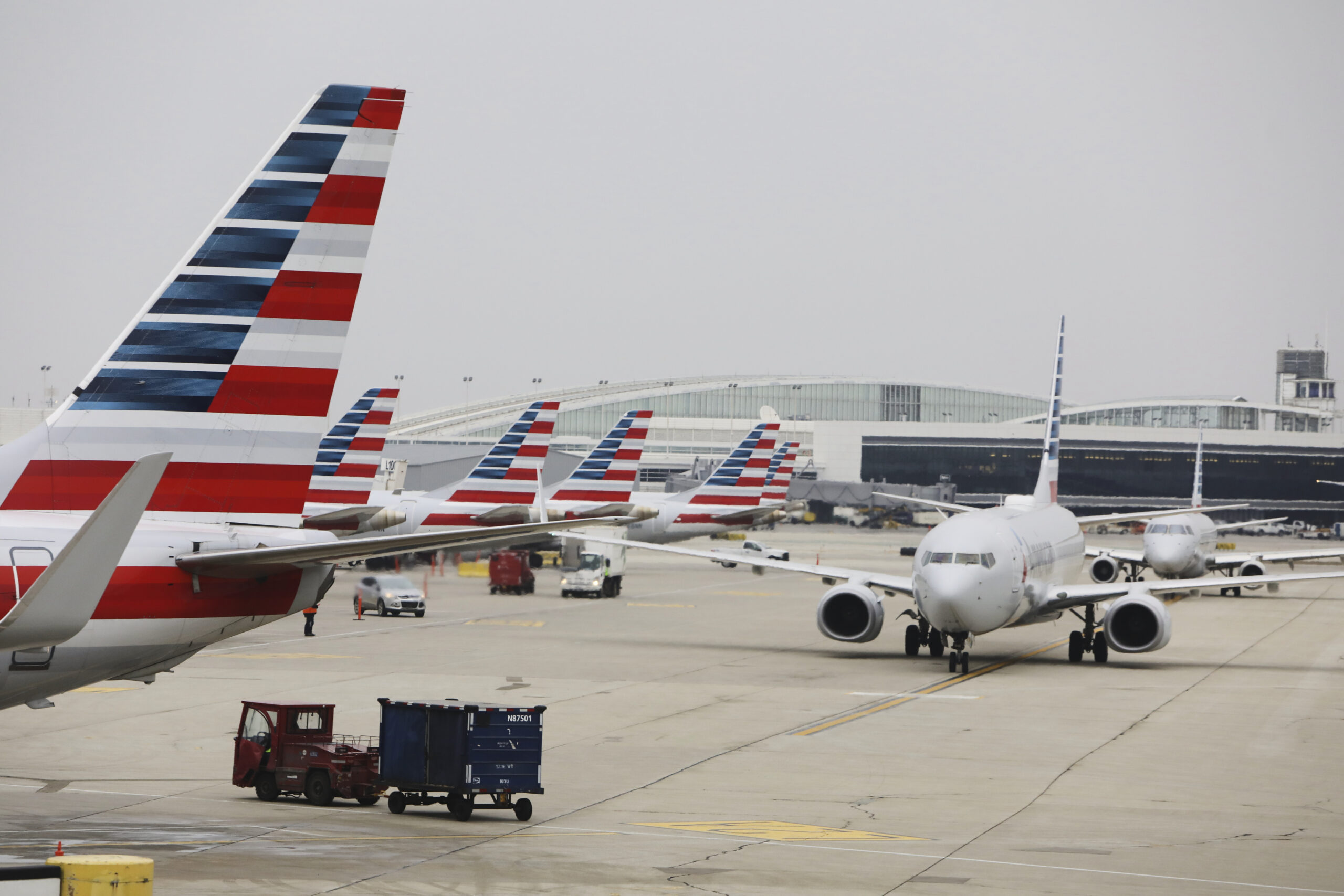
American Airlines has agreed to purchase two gates from Spirit Airlines at Chicago O’Hare International Airport (ORD) for $30 million. This marks the first asset sale involving another airline since Spirit entered its second bankruptcy proceeding. The transaction highlights both Spirit’s effort to resize its operation and American’s attempt to regain ground at one of its most important hubs.
Spirit currently holds four preferential-use gates at the airport. Gates G8, G10, G12, and G14 are all located in Terminal 3, which is also American’s home in Chicago. Under the agreement, Spirit will sell gates G8 and G10 to American. One of American’s three Admirals Clubs® at the airport is already located at G8, making the acquisition a logical move for the carrier.
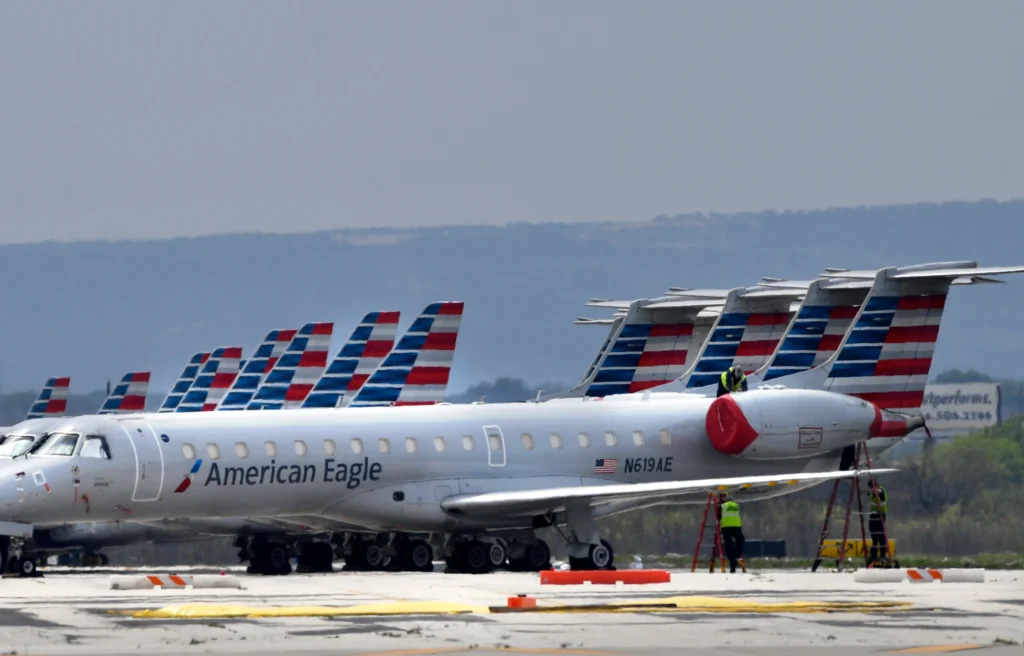
View from the Wing reports that Spirit has significantly reduced its presence at Chicago O’Hare International Airport (ORD) and cut its peak daily departures from 32 flights to roughly 50% of that number. With fewer flights, the low-cost carrier no longer requires all four gates and the sale allows it to monetize underutilized assets. While the transaction generates cash, Spirit has indicated that the proceeds are not intended to improve near-term liquidity. Instead, the airline plans to use the funds to prepay debtor-in-possession financing as part of its restructuring process.
For American, the acquisition comes against its recent challenges at Chicago O’Hare International Airport (ORD). The airline lost four gates in a reallocation process at the airport. During this process, United Airlines gained five gates based on post-pandemic flight volumes. American challenged the reallocation, arguing it occurred earlier than permitted under the airport’s use and lease agreement due to construction timelines. A court declined to block the process.
The reallocation proceeded on October 1st and left American at a structural disadvantage in terms of growth capacity at the airport. During the recovery from the pandemic, American focused its resources on other hubs and did not fully rebuild its Chicago schedule. Compounding the issue, the airline had retired large portions of its widebody and mid-size fleets during Covid, including Boeing 757s, 767s, Airbus A330s, and Embraer E190s. United, by contrast, restored capacity more aggressively and strengthened its competitive position at the airport.
User Generated Content Disclosure: The Bulkhead Seat encourages constructive discussions, comments, and questions. Responses are not provided by or commissioned by any bank advertisers. These responses have not been reviewed, approved, or endorsed by the bank advertiser. It is not the responsibility of the bank advertiser to respond to comments.
Advertiser & Editorial Disclosure: The Bulkhead Seat earns an affiliate commission for anyone approved through the links above This compensation may impact how and where links appear on this site. We work to provide the best publicly available offers to our readers. We frequently update them, but this site does not include all available offers. Opinions, reviews, analyses & recommendations are the author’s alone, and have not been reviewed, endorsed, or approved by any of these entities.


3 comments
Consider citing your source
Apologies you did and I did not see it
Yup. Cited. Thanks for sharing.