Advertiser & Editorial Disclosure: The Bulkhead Seat earns an affiliate commission for anyone approved through the links below. This compensation may impact how and where links appear on this site. We work to provide the best publicly available offers to our readers. We frequently update them, but this site does not include all available offers. Opinions, reviews, analyses & recommendations are the author’s alone, and have not been reviewed, endorsed, or approved by any of these entities.
Air travelers may soon face significantly higher ticket prices as the ongoing conflict involving Iran drives sharp increases in oil and jet fuel costs while forcing airlines to raise fares across many routes. Brent crude oil has climbed more than 50% over the past month, reaching roughly $101 per barrel. Jet fuel prices have risen even faster. The Argus US Jet Fuel Index has jumped about 72% during the same period, which created immediate financial pressure for airlines.
Fuel is typically the second-largest expense for airlines after labor and often accounts for about 25% of operating costs. When fuel prices surge suddenly, airlines must quickly decide whether to absorb the added expense or pass the costs on to passengers through higher ticket prices. Unlike many international airlines that hedge fuel costs, most US carriers do not, leaving them more exposed to rapid price swings. The recent disruption to oil flows and shipping through the Strait of Hormuz has pushed jet fuel prices sharply higher and prompted airlines to adjust fares and operational plans. Airline stocks also reacted quickly, dropping in the early weeks of the conflict as investors anticipated rising costs and tighter profit margins.
The price surge is already visible in airfare data. According to reports from Deutsche Bank analyzed by The Wall Street Journal, some one-way domestic fares have more than doubled within a single week as airlines grapple with higher fuel costs and strong spring break demand. Low-cost and ultra-low-cost airlines appear to be the most volatile when it comes to price increases. Spirit Airlines stands out as the most dramatic example as prices have surged up to 100% for some routes and dates. Allegiant Air also posted significant increases in fares. Meanwhile, JetBlue Airways saw prices rise by as much as 75% on some routes.
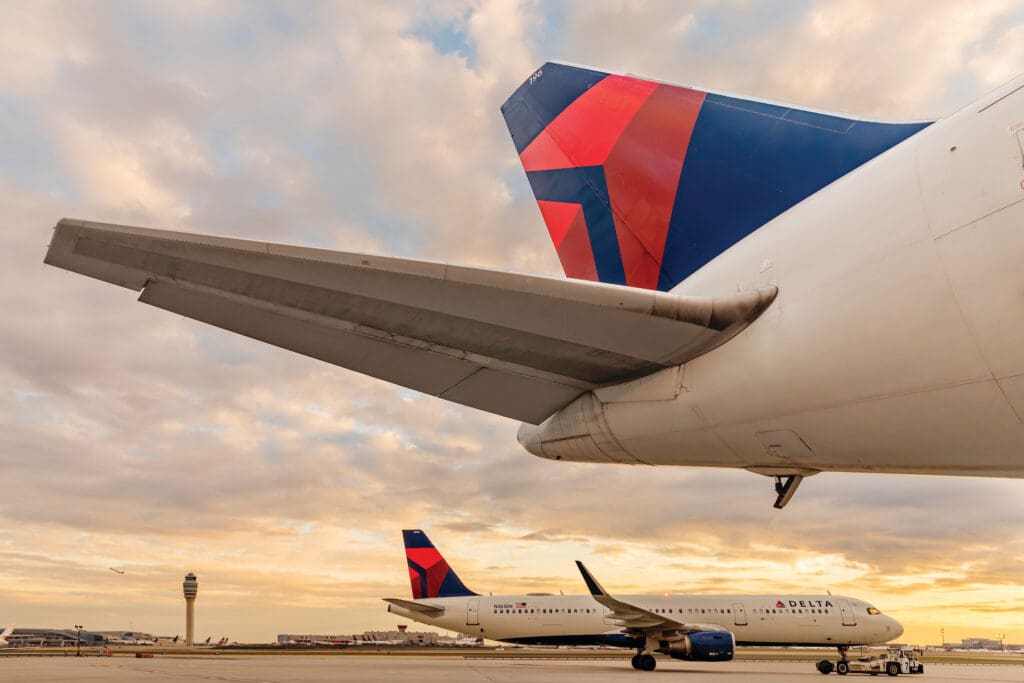
The largest US carriers are also increasing fares. Delta Air Lines has led the major airlines in raising prices with increases reaching about 70% on certain routes. Analysts say Delta’s strong loyalty program and premium customer base give it greater confidence in its ability to raise fares. American Airlines has posted increases of roughly 50% year over year. United Airlines has seen fares rise around 45%. Other carriers appear to be taking a more cautious approach. Southwest Airlines, Alaska Airlines, and Hawaiian Airlines have reported more moderate increases, which suggests they may have less pricing power or different route exposure.
Budget airlines are particularly sensitive to fuel shocks because their business models rely on offering very low base fares while operating with thin profit margins. When fuel prices spike rapidly, these carriers have fewer options to absorb the cost increases. That often results in sharp fare hikes, especially on popular leisure routes such as flights to the Caribbean during peak travel periods.
Travel experts say the current spike in ticket prices could continue if fuel costs remain elevated. The Daily Mail reports that Katy Nastro, a travel expert with the travel technology company Going has said historical patterns suggest airlines tend to keep fares higher when operating costs rise. However, she noted that final pricing will ultimately depend on traveler demand and how much consumers are willing to pay for flights during the busy spring and summer travel seasons.
Anthony’s Take: For now, passengers booking upcoming trips are already encountering a new reality in which airfare is rising quickly and the sticker shock at checkout may only be the beginning if fuel prices continue climbing.
(Image Credits: Fashion products photography via iStock and Delta Air Lines.)
User Generated Content Disclosure: The Bulkhead Seat encourages constructive discussions, comments, and questions. Responses are not provided by or commissioned by any bank advertisers. These responses have not been reviewed, approved, or endorsed by the bank advertiser. It is not the responsibility of the bank advertiser to respond to comments.
Advertiser & Editorial Disclosure: The Bulkhead Seat earns an affiliate commission for anyone approved through the links above This compensation may impact how and where links appear on this site. We work to provide the best publicly available offers to our readers. We frequently update them, but this site does not include all available offers. Opinions, reviews, analyses & recommendations are the author’s alone, and have not been reviewed, endorsed, or approved by any of these entities.