Advertiser & Editorial Disclosure: The Bulkhead Seat earns an affiliate commission for anyone approved through the links below. This compensation may impact how and where links appear on this site. We work to provide the best publicly available offers to our readers. We frequently update them, but this site does not include all available offers. Opinions, reviews, analyses & recommendations are the author’s alone, and have not been reviewed, endorsed, or approved by any of these entities.
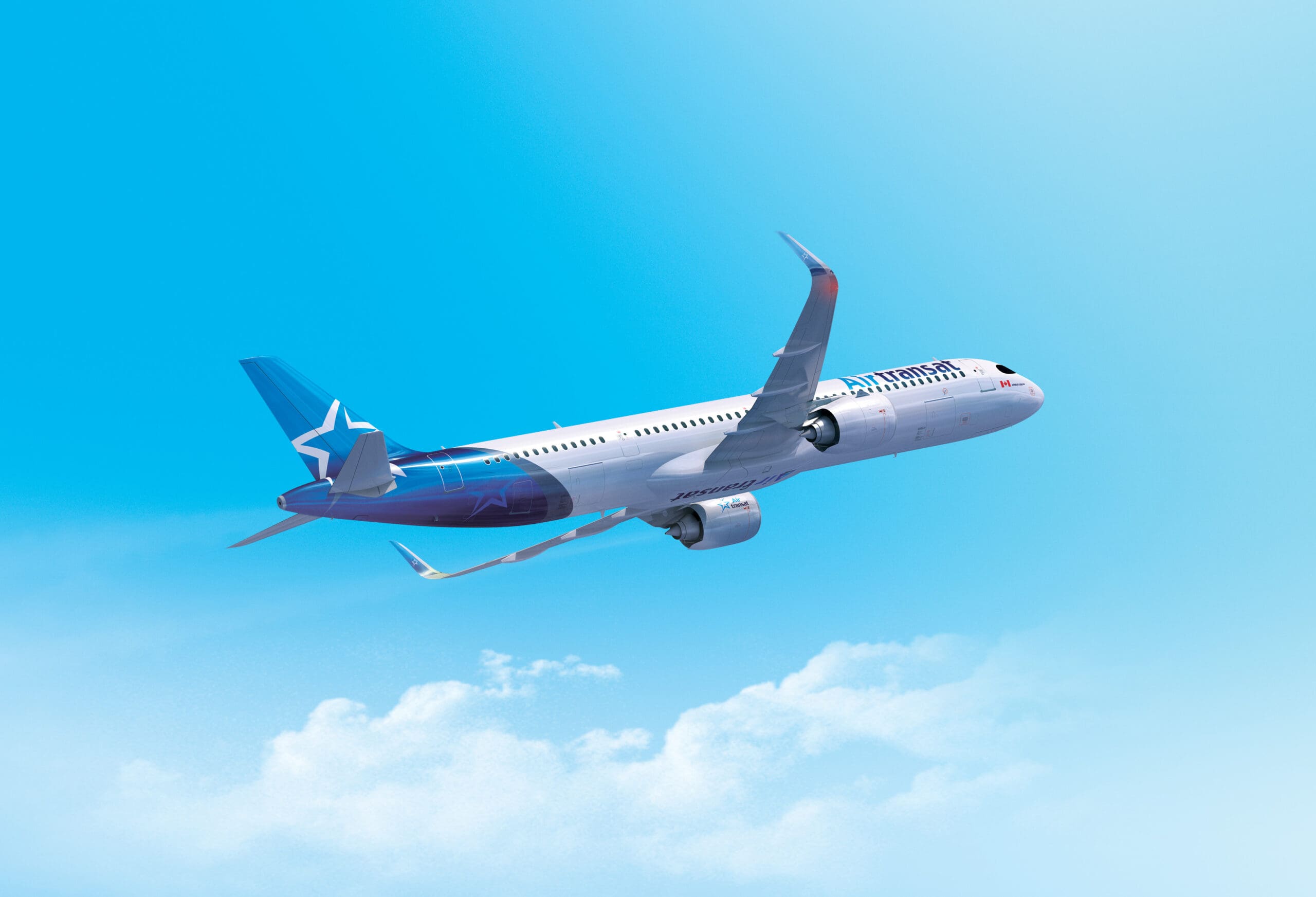
I’ve written several times about Air Transat. Before last year, I had never even heard of the airline, but it was named the World’s Best Leisure Airline in the Skytrax World Airline Awards in 2023, 2024, and 2025. In October, it announced an ambitious expansion of its summer 2026 network, introducing new transatlantic routes, extended southern destinations, and enhanced connectivity across Canada. Now, Air Transat is preparing to exit the United States entirely and will remove its remaining transborder routes from the schedule and end all US service by June 2026.
The Montreal-based carrier cited the current demand environment as the primary reason behind the decision. This marks a strategic pivot completely away from Canada to US leisure flying after years of gradually scaling back. Air Transat’s final services to Florida are expected to operate through June, after which the airline will no longer serve any destinations in the United States.
Among the routes being discontinued are key leisure links from Quebec to Florida, including:
- Montréal-Trudeau International Airport (YUL) to/from Fort Lauderdale-Hollywood International Airport (FLL)
- Montréal-Trudeau International Airport (YUL) to/from Orlando International Airport (MCO)
- Québec City Jean Lesage International Airport (YQB) to/from Fort Lauderdale-Hollywood International Airport (FLL)
These routes are scheduled to end between May 4th and June 13th. The airline previously operated nine US routes, but that footprint has steadily shrunk as travel volume declined amid broader economic and policy factors influencing cross-border demand.
Air Transat’s withdrawal follows a broader trend among Canadian carriers scaling back US flying. Airlines such as WestJet have also reduced transborder capacity as demand weakened, particularly for discretionary leisure travel. While the US market was never a major part of Air Transat’s business (it represented only about 1% of total capacity), the complete exit underscores how airlines are reshaping networks in response to shifting travel patterns.
With the United States off its destination map, Air Transat is refocusing on international leisure markets where demand has remained stronger (particularly Europe and the Caribbean). The airline has recently expanded service on routes such as Montréal-Trudeau International Airport (YUL) to/from to Agadir-Al Massira Airport (AGA) in Morocco and increased frequencies on several transatlantic destinations. Air Transat has also maintained and strengthened its partnership with Turkish Airlines, including cooperation on flights to Istanbul Airport (IST).
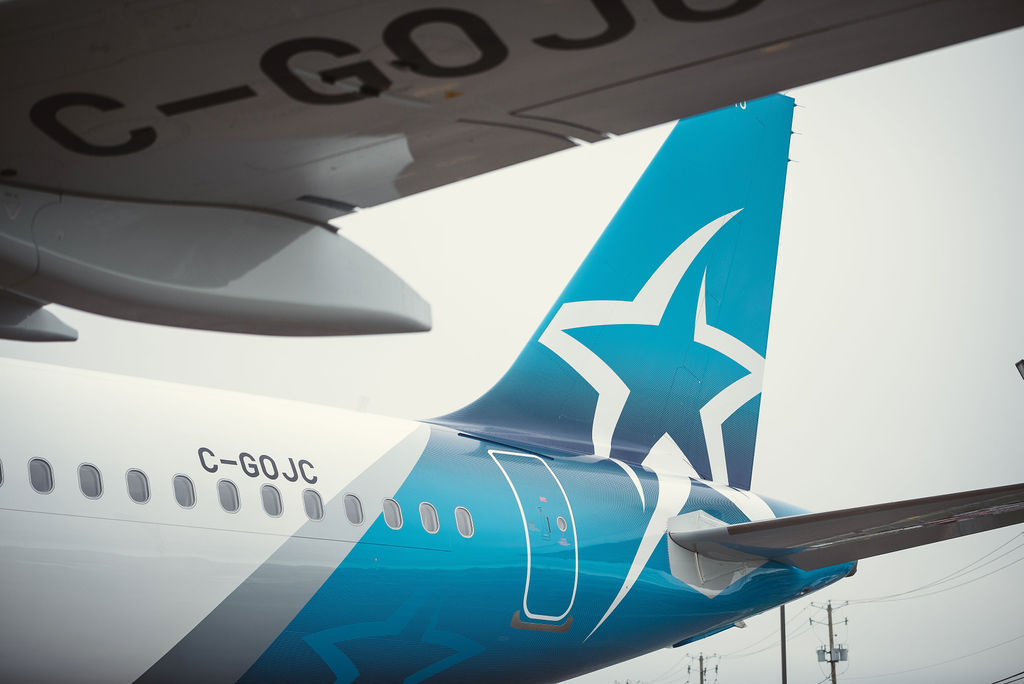
Europe remains a strategic pillar for the carrier and it’s supported by its fleet of Airbus A321LR aircraft. These long-haul narrow-bodies allow Air Transat to serve new and underserved European destinations efficiently from its Eastern Canada hubs. The aircraft has become central to the airline’s ability to expand its transatlantic reach while keeping operating costs aligned with leisure-focused demand.
Air Transat’s network shift comes as industry speculation continues around a possible future merger with Porter Airlines. The two carriers have been building closer ties through partnerships and interline connectivity with Porter feeding domestic traffic into Transat’s international services. Porter remains primarily a short-haul carrier with a growing US footprint while Air Transat is a well-established leisure brand with strong recognition in Quebec. At a recent investor presentation, the airlines outlined deeper cooperation resembling a joint venture-style relationship. No formal merger or consolidation agreement has been announced. Still, given the complementary strengths of Porter and Transat, a merger remains a logical and widely discussed possibility.
Anthony’s Take: Air Transat’s decision to fully withdraw from the US represents a clear strategic refocusing rather than a dramatic downsizing. Relations between the two countries remain icy. I see few Canadians in Florida and it does not look like that will change anytime soon.
(Image Credits: Air Transat.)
(H/T: TravelUpdate.)
User Generated Content Disclosure: The Bulkhead Seat encourages constructive discussions, comments, and questions. Responses are not provided by or commissioned by any bank advertisers. These responses have not been reviewed, approved, or endorsed by the bank advertiser. It is not the responsibility of the bank advertiser to respond to comments.
Advertiser & Editorial Disclosure: The Bulkhead Seat earns an affiliate commission for anyone approved through the links above This compensation may impact how and where links appear on this site. We work to provide the best publicly available offers to our readers. We frequently update them, but this site does not include all available offers. Opinions, reviews, analyses & recommendations are the author’s alone, and have not been reviewed, endorsed, or approved by any of these entities.