Advertiser & Editorial Disclosure: The Bulkhead Seat earns an affiliate commission for anyone approved through the links below. This compensation may impact how and where links appear on this site. We work to provide the best publicly available offers to our readers. We frequently update them, but this site does not include all available offers. Opinions, reviews, analyses & recommendations are the author’s alone, and have not been reviewed, endorsed, or approved by any of these entities.
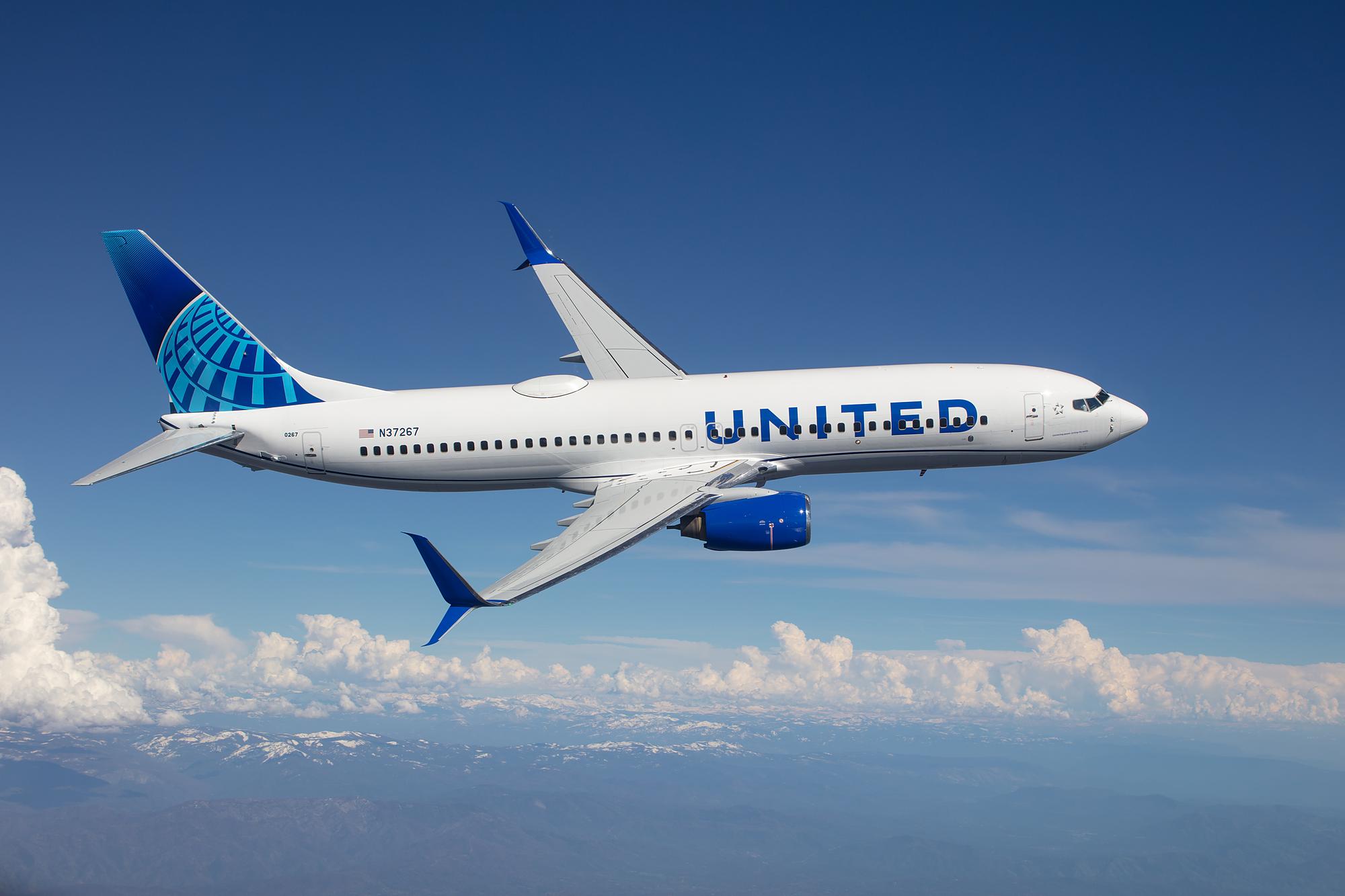
As I’ve written about a few times, United Airlines is making an aggressive play at Chicago O’Hare International Airport (ORD). The carrier recently increased the frequency on 87 routes and is really looking to stick it to American Airlines. Court filings related to Spirit’s second bankruptcy show that United is now purchasing its last two gates for $30.2 million in a move that sharply escalates its strategic fight for dominance at one of the nation’s most critical airport hubs.
United has agreed to acquire Spirit’s remaining two preferred gates at Chicago O’Hare International Airport (ORD): G12 and G14. A hearing is scheduled for February 24th to approve the transfer. Earlier in its bankruptcy proceedings, Spirit was cleared to transfer two of its gates at the airport to American Airlines for approximately $30 million (or $15 million per gate, which seems to be the going rate). American has been eager to expand in Chicago with ambitions to strengthen the airport as its third-largest hub. The gates represent a valuable foothold in a market where access and infrastructure are limited.
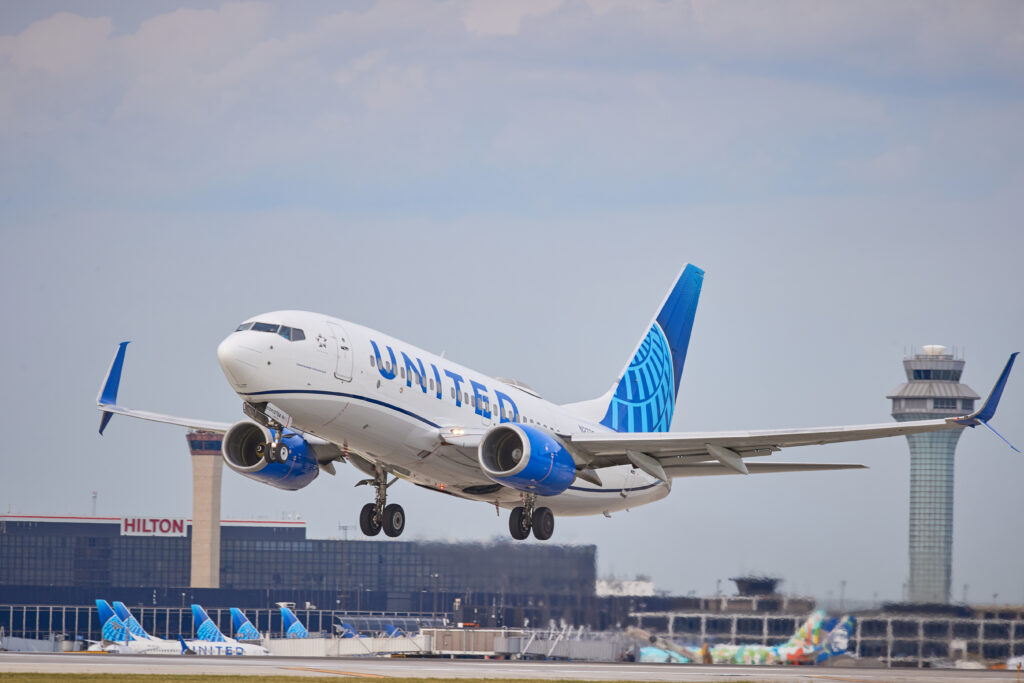
United CEO Scott Kirby has previously drawn a firm line in the sand over Chicago. He has stated publicly that any growth American attempts at Chicago O’Hare International Airport (ORD) will be matched. The strategy reflects what industry observers like View from the Wing calls “strategic flying,” where airlines add capacity not necessarily for immediate profit, but to squeeze competitors through fare pressure and market saturation. In the short term, this can drive down ticket prices, but the longer-term goal is often to reduce competition and regain pricing power once rivals retreat.
Spirit’s gate sales are unfolding as part of its broader restructuring efforts. The airline has been rapidly cutting costs by exiting more than a dozen airports and rejecting leases for roughly 80 aircraft. Spirit has determined it no longer needs all four of its gates at the airport. This has prompted an asset sale aimed at raising cash.
User Generated Content Disclosure: The Bulkhead Seat encourages constructive discussions, comments, and questions. Responses are not provided by or commissioned by any bank advertisers. These responses have not been reviewed, approved, or endorsed by the bank advertiser. It is not the responsibility of the bank advertiser to respond to comments.
Advertiser & Editorial Disclosure: The Bulkhead Seat earns an affiliate commission for anyone approved through the links above This compensation may impact how and where links appear on this site. We work to provide the best publicly available offers to our readers. We frequently update them, but this site does not include all available offers. Opinions, reviews, analyses & recommendations are the author’s alone, and have not been reviewed, endorsed, or approved by any of these entities.