Advertiser & Editorial Disclosure: The Bulkhead Seat earns an affiliate commission for anyone approved through the links below. This compensation may impact how and where links appear on this site. We work to provide the best publicly available offers to our readers. We frequently update them, but this site does not include all available offers. Opinions, reviews, analyses & recommendations are the author’s alone, and have not been reviewed, endorsed, or approved by any of these entities.
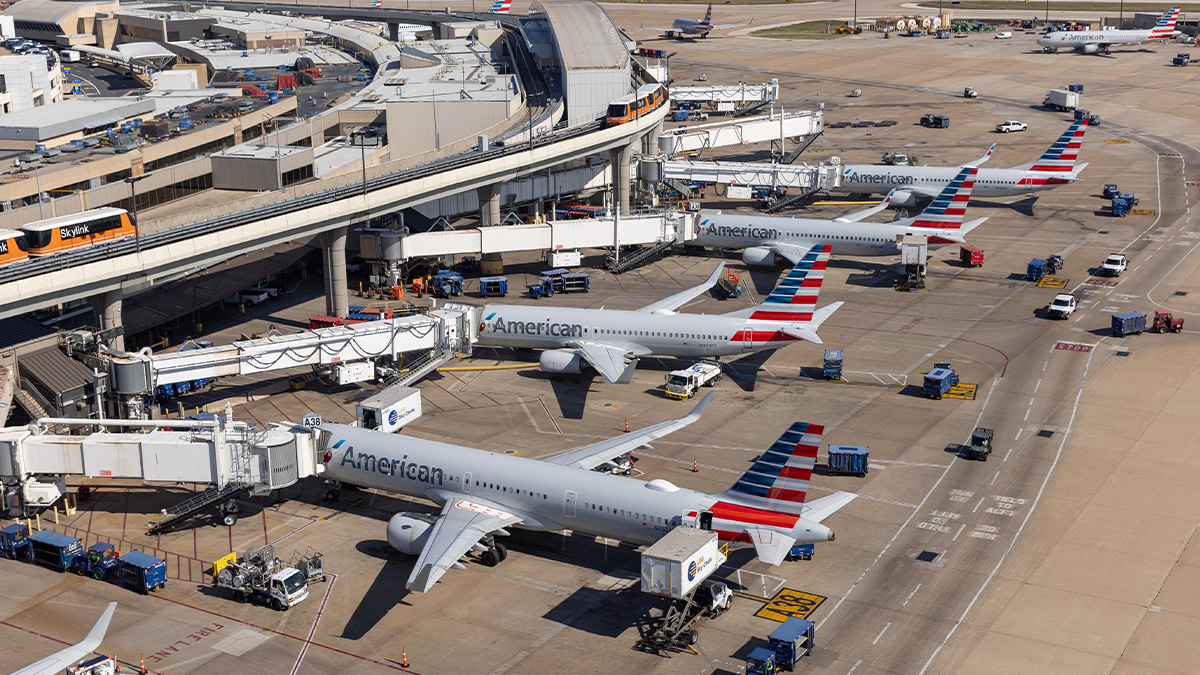
American Airlines is preparing to overhaul its Dallas Fort Worth International Airport (DFW) schedule and infrastructure as it reshapes operations to better support its future at its largest hub. Beginning in April, the airline will move from a nine-bank schedule to a new 13-bank model. This shift will be reflected in schedules starting tomorrow, December 27th. The goal is to improve reliability, enhance connection times, and create a more predictable and efficient travel experience for the more than 100,000 customers who pass through the airport on peak days.
For years, American’s tightly concentrated flight banks have enabled fast connections, but also created congestion and vulnerability during disruptions. By spreading activity more evenly across the day, passengers will gain more desirable early-morning departure times, fewer inbound red-eye arrivals, and better spacing between flights. The change maintains nearly all existing connecting opportunities while adding new ones to give travelers more flexibility and confidence when routing through the airline’s largest hub.
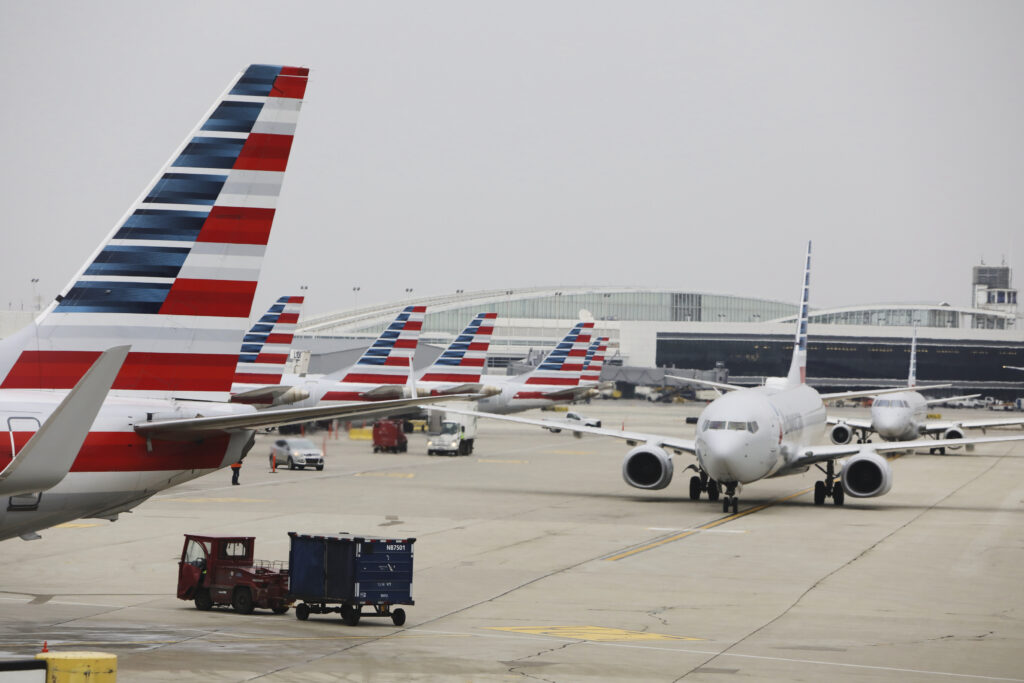
A key part of the restructuring is a significant investment in block time (the scheduled gate-to-gate duration of each flight). American is building more operating certainty into these timelines while it aims for fewer delays and more on-time arrivals. These adjustments will also improve the handling of checked bags while reducing tight transfer windows and increasing the likelihood that luggage arrives with or ahead of customers.
Reworking the bank structure is expected to ease pressure on both the airport and its surrounding airspace. With flights more evenly distributed, congestion should lessen at security checkpoints, parking areas, terminal corridors, and taxiways. This strategic balance is designed to create a more relaxed flow for both local and connecting passengers.
The schedule overhaul complements a series of major investments underway across Dallas Fort Worth International Airport (DFW). American is modernizing facilities with new gates in the Terminal A and C pier extensions, expanding operations into the planned Terminal F, and supporting future growth with upgraded baggage systems, new premium lounges, and a modernized US Customs facility. Technology enhancements are also playing a major role, including TSA PreCheck® Touchless ID, expedited international re-entry processes, and updated roadway systems designed to reduce curbside congestion.
Weather resilience is another priority. Dallas Fort Worth International Airport (DFW) has experienced a high number of severe storms in recent years. These often require ground stops that cause cascading delays. With the new schedule design and expanded remote deplaning capabilities, American expects to recover faster when irregular operations occur and keep more flights at the airport instead of diverting them to other places.
Jim Moses, Senior Vice President of DFW Operations, said:
As the operating environment and our customers’ expectations have evolved in the last 10 years, our approach at our largest and most impactful hub must also evolve. We’re making this significant shift while maintaining the same breadth, depth and schedule quality our customers expect and depend on. That means good things for American’s customers, our team members and just about everyone who depends on the airline. Our investment in operational resilience extends beyond our DFW schedule. We know the negative impact flight diversions have on our customers. They’re also incredibly disruptive to the broader airline, especially as they create congestion at airports which often limits our ability to get aircraft to a gate and importantly, deplane customers.”
Anthony’s Take: These infrastructure improvements and schedule refinements reflect American’s long-term commitment to strengthening its largest hub and enhancing the customer experience throughout the journey. This change looks to play a major role in irregular operations going forward while making the day-to-day operation smoother.
User Generated Content Disclosure: The Bulkhead Seat encourages constructive discussions, comments, and questions. Responses are not provided by or commissioned by any bank advertisers. These responses have not been reviewed, approved, or endorsed by the bank advertiser. It is not the responsibility of the bank advertiser to respond to comments.
Advertiser & Editorial Disclosure: The Bulkhead Seat earns an affiliate commission for anyone approved through the links above This compensation may impact how and where links appear on this site. We work to provide the best publicly available offers to our readers. We frequently update them, but this site does not include all available offers. Opinions, reviews, analyses & recommendations are the author’s alone, and have not been reviewed, endorsed, or approved by any of these entities.