Advertiser & Editorial Disclosure: The Bulkhead Seat earns an affiliate commission for anyone approved through the links below. This compensation may impact how and where links appear on this site. We work to provide the best publicly available offers to our readers. We frequently update them, but this site does not include all available offers. Opinions, reviews, analyses & recommendations are the author’s alone, and have not been reviewed, endorsed, or approved by any of these entities.
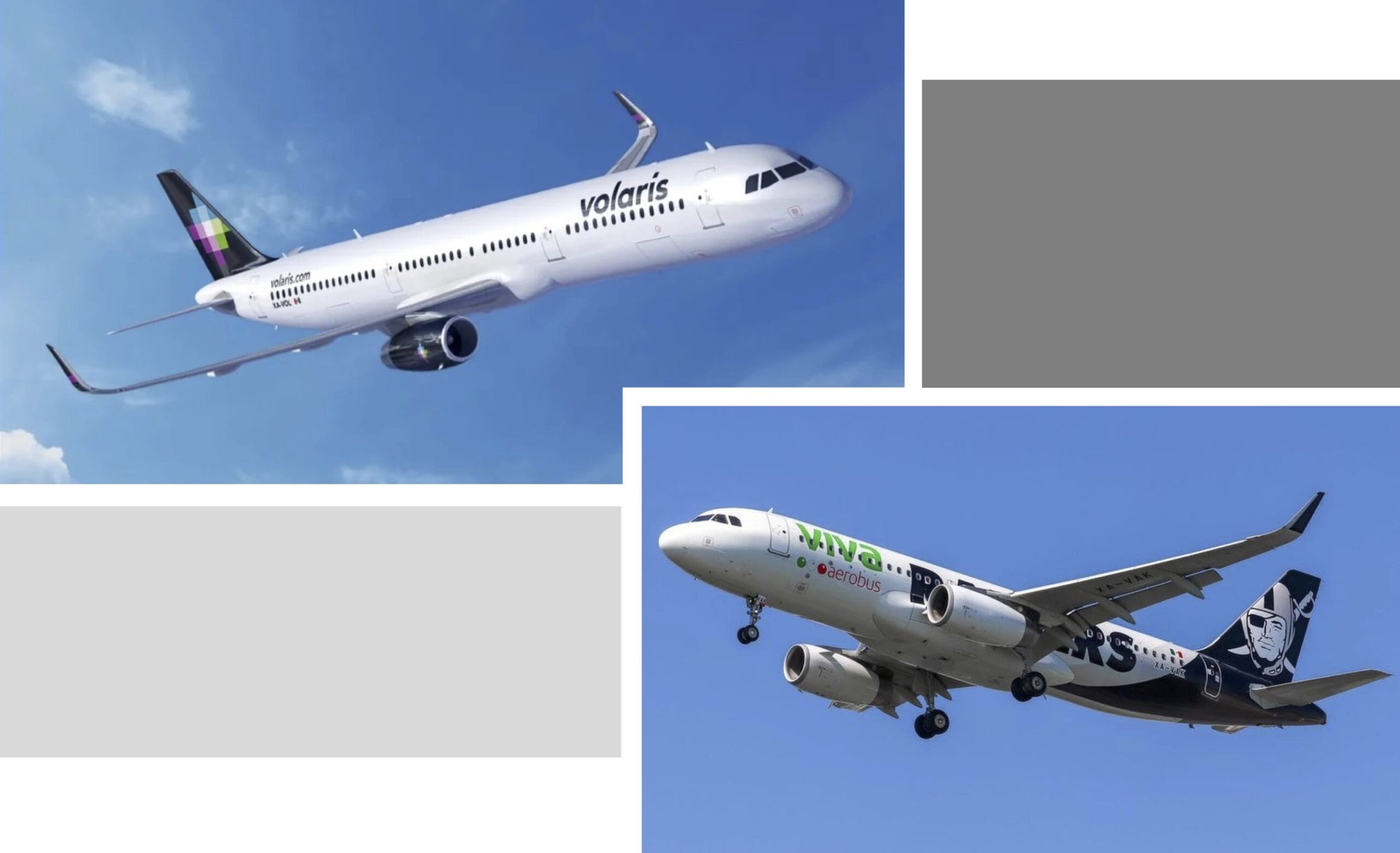
Mexico’s two largest low-cost airlines, Volaris and Viva Aerobus, have reached a merger agreement that would form the country’s largest domestic airline group and reshape Mexico’s aviation landscape. The carriers announced the deal after months of speculation and confirmed plans to unite under a single holding company while continuing to operate under their existing brands.
Under the merger (expected to close next year pending regulatory approval), Volaris and Viva will maintain separate commercial identities and loyalty programs while consolidating ownership at the parent-company level. Shareholders of both airlines will each hold 50% of the new group, with Viva’s investors receiving newly issued shares of the Volaris holding company. The combined board will include leadership from both carriers, chaired by Viva’s controlling shareholder, Roberto Alcántara of IAMSA. Volaris’ largest stakeholder, Indigo Partners, also backs the deal. The firm has a major presence in the global ultra-low-cost sector with investments in both Frontier and JetSMART.
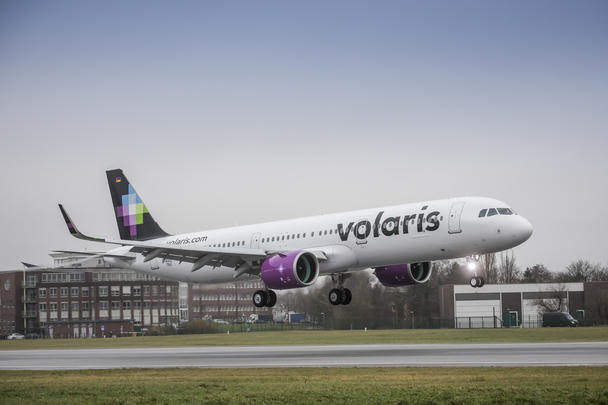
Together, Viva and Volaris transport roughly the same share of domestic passengers as Aeromexico and their merger would create a dominant presence in Mexico’s low-cost sector. In the first seven months of 2025, Viva led the domestic market with more than 17 million passengers, which outpaced Aeromexico’s 14.3 million. With both airlines flying all-Airbus fleets and operating networks across Mexico and into the United States, the merger promises significant efficiencies in operations, scheduling, and cost structure.
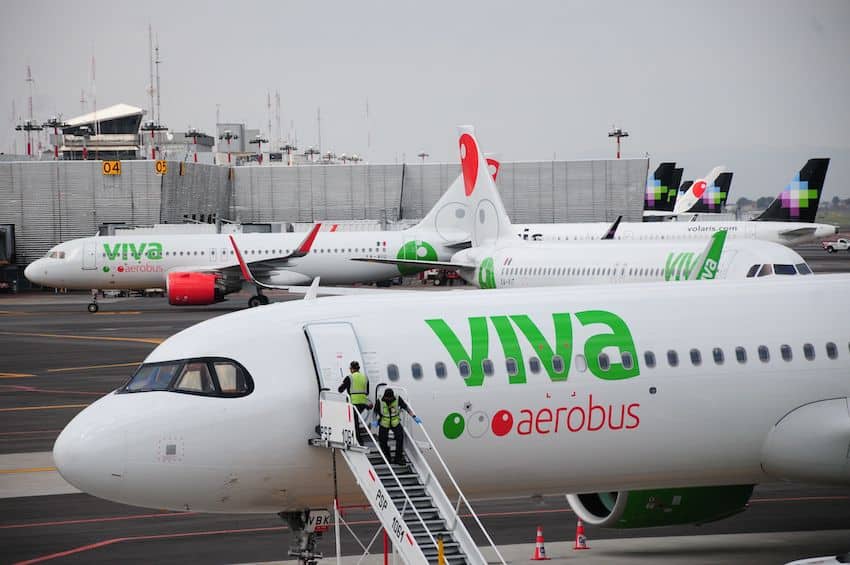
The companies argue that the unified group will expand connectivity, increase service to smaller regional airports, and offer travelers greater flexibility. Both airlines’ loyalty programs (Altitude for Volaris and Doters for Viva) are expected to continue independently. The deal is expected to face scrutiny from antitrust authorities. Aeromexico is likely to object, given that the merger would position Viva-Volaris as a mega-competitor in Mexico’s domestic market. Regulators will also weigh the broader context of recent US and Mexico aviation tensions, including the US Department of Transportation’s rejection of several proposed routes by Mexican carriers.
If approved, the merger would create a low-cost giant operating under two brands, similar to Alaska Airlines’ ongoing integration with Hawaiian Airlines while maintaining distinct identities. Both Volaris and Viva would continue flying extensive domestic and international networks (including routes to the US, Central America, and South America).
Anthony’s Take: For travelers, the combined airline group would offer more frequency and continued access to low fares across a far-reaching combined network. Now, we’ll need to wait and see how this fares with regulators.
(Image Credits: Viva Aerobus and Volaris.)
User Generated Content Disclosure: The Bulkhead Seat encourages constructive discussions, comments, and questions. Responses are not provided by or commissioned by any bank advertisers. These responses have not been reviewed, approved, or endorsed by the bank advertiser. It is not the responsibility of the bank advertiser to respond to comments.
Advertiser & Editorial Disclosure: The Bulkhead Seat earns an affiliate commission for anyone approved through the links above This compensation may impact how and where links appear on this site. We work to provide the best publicly available offers to our readers. We frequently update them, but this site does not include all available offers. Opinions, reviews, analyses & recommendations are the author’s alone, and have not been reviewed, endorsed, or approved by any of these entities.