Advertiser & Editorial Disclosure: The Bulkhead Seat earns an affiliate commission for anyone approved through the links below. This compensation may impact how and where links appear on this site. We work to provide the best publicly available offers to our readers. We frequently update them, but this site does not include all available offers. Opinions, reviews, analyses & recommendations are the author’s alone, and have not been reviewed, endorsed, or approved by any of these entities.
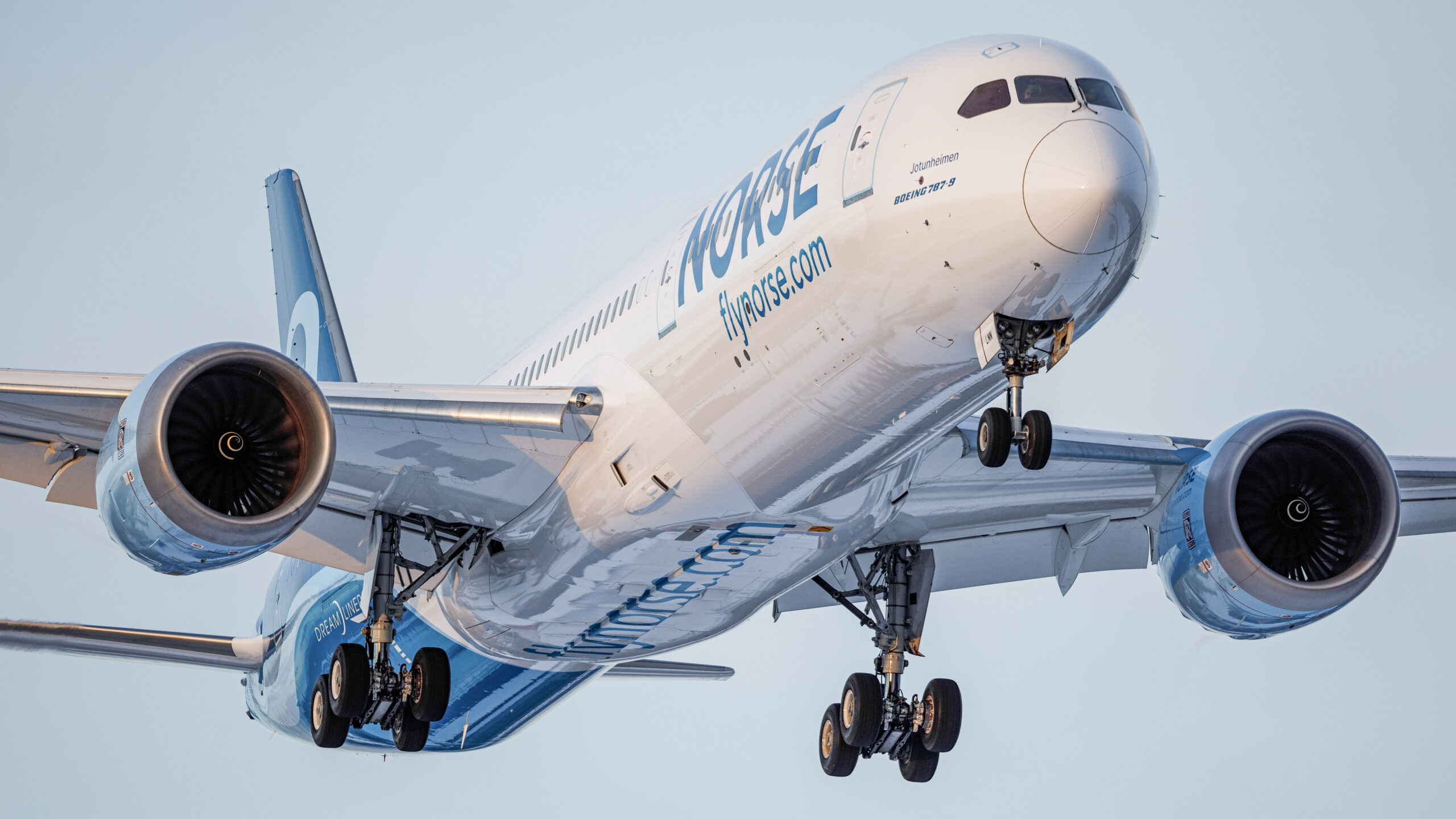
Norse Atlantic Airways may still be flying passengers across the Atlantic, but reports that the airline has hired JPMorgan Chase to conduct a strategic review are fueling speculation about whether another low-cost long-haul airline is about to go under. The move, which could lead to a sale, merger, or major restructuring comes as Norse continues facing the same brutal economic realities that have already brought down several other budget long-haul carriers over the past decade.
Airlines including WOW Air, Primera Air, Norwegian Air Shuttle’s long-haul division, and PLAY Airlines have all struggled or failed while attempting to make ultra-low-cost transatlantic flying sustainable. Despite carrying only a fraction of the passengers moved by major carriers like British Airways, Air France, United Airlines, or Delta Air Lines, Norse has played an outsized role in suppressing ticket prices on the routes it serves.
Industry analysts note that the mere presence of a low-cost competitor on transatlantic routes often forces larger legacy airlines to quietly lower their cheapest economy fares in order to remain competitive. While premium and fully flexible fares remain high, discounted advance-purchase tickets typically become more affordable whenever budget competition enters the market. That dynamic could shift quickly if Norse disappears.
Norse began slashing routes last year and just dropped all flying to/from Los Angeles International Airport (LAX) amid growing concerns about rising operating costs and thin profit margins across long-haul leisure markets. According to Live and Let’s Fly, if Norse were ultimately forced to shut down or dramatically reduce operations, transatlantic summer capacity on affected routes could fall by 3% to 5%. While that may sound modest, even small reductions in available seats can have significant pricing impacts during peak travel seasons.
With ongoing geopolitical disruptions and fuel-related rerouting pressures already constraining airline capacity, the loss of another low-cost carrier could push transatlantic economy fares 15% to 30% higher by the 2027 summer booking season.
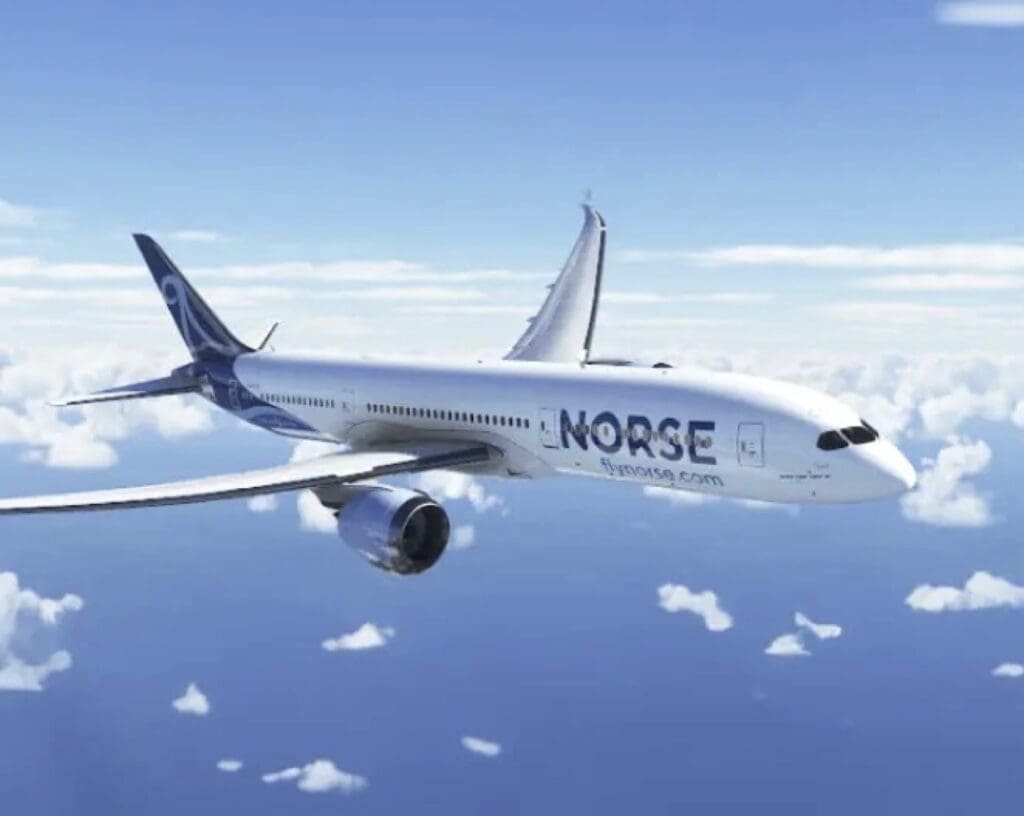
Norse currently operates a fleet of Boeing 787-9 aircraft that could eventually return to leasing companies if the airline fails to secure a buyer or partner. Industry observers say those planes would likely be absorbed by major aviation leasing firms or picked up by larger carriers. For travelers, Norse’s uncertainty presents both opportunity and risk. Budget-conscious passengers may continue booking the airline’s aggressively priced fares while they remain available, but some travelers are increasingly considering credit card protections and travel insurance in case of operational disruptions.
Meanwhile, major airline alliances appear well positioned to absorb any capacity gaps if Norse exits the market. Carriers like American Airlines and British Airways already operate extensive schedules between major gateways such as London Heathrow Airport (LHR) and New York John F Kennedy International Airport (JFK). They could potentially raise fares if this low-cost competition disappears. The airline is said to be valued at around €1 billion (or $1.15 billion) according to Bloomberg.
Anthony’s Take: The situation also highlights a broader truth about the airline industry: even travelers who never fly low-cost carriers often benefit from their presence through lower fares across the market. For now, Norse Atlantic remains operational, and no formal sale or restructuring has been announced. But with JPMorgan now exploring strategic options, the airline’s future and the future of affordable transatlantic travel may depend heavily on what happens next behind the scenes.
(Image Credits: Norse Atlantic Airways.)
User Generated Content Disclosure: The Bulkhead Seat encourages constructive discussions, comments, and questions. Responses are not provided by or commissioned by any bank advertisers. These responses have not been reviewed, approved, or endorsed by the bank advertiser. It is not the responsibility of the bank advertiser to respond to comments.
Advertiser & Editorial Disclosure: The Bulkhead Seat earns an affiliate commission for anyone approved through the links above This compensation may impact how and where links appear on this site. We work to provide the best publicly available offers to our readers. We frequently update them, but this site does not include all available offers. Opinions, reviews, analyses & recommendations are the author’s alone, and have not been reviewed, endorsed, or approved by any of these entities.